Genesis Peptides
PeptidesTesting ProtocolCOA LibraryInstitutional OrdersContact
Research Catalog

Compound Catalog

Lyophilized powder. Research-grade compounds with full analytical testing on every lot.

Featured

Most Sought-After Compounds

CJC-1295 No DAC

CJC-1295 No DAC

What is CJC 1295 without DAC? CJC-1295 without DAC (Drug Affinity Complex) is a synthetic peptide analogue of growth hormone–releasing hormone (GHRH) designed to enhance pulsatile growth hormone (GH) secretion [1]. CJC-1295 is a modified 30-amino-acid fragment of native GHRH that incorporates substitutions at positions 2, 8, 15, and 27, to increase stability. Because GH secretion is tightly rhythm-regulated, particularly during sleep, preserving this pulsatile pattern can support metabolic, muscular, and regenerative functions. CJC 1295 mechanism of actions and health benefits GH/IGF secretagogue Because GH secretion naturally occurs in rhythmic bursts, especially during deep sleep, CJC-1295 without DAC preserves this pattern rather than producing continuous elevation [2]. Once GH is released, it stimulates hepatic and peripheral production of insulin-like growth factor-1 (IGF-1). IGF-1 mediates many of GH’s downstream actions, including [3]: Muscle protein synthesis Connective tissue repair Metabolic regulation By amplifying both GH and IGF-1 signaling, CJC-1295 without DAC acts as a dual-phase secretagogue. Two randomized, double-blind, placebo-controlled dose ascending trials of healthy adults (over 28 and 49 days, respectively), characterized the profile of CJC-1295 [4]. In the first trial, participants received one of four ascending single subcutaneous doses of CJC-1295 or placebo. In the second trial, participants received two or three weekly or biweekly injections. Results showed that: A single-dose administration induced dose-dependent increases in mean plasma GH, ranging from 2 to 10-fold above baseline Mean plasma IGF-1 increased 1.5 to 3-fold after a single subcutaneous injection, lasting 9–11 days. With multiple dosing, IGF-1 remained consistently above baseline for up to 28 days No serious adverse events or trial withdrawal were reported across either study. Improved body composition CJC-1295 without DAC amplifies natural pulsatile GH release, creating a metabolic environment that supports gradual, physiologic recomposition. Key mechanisms underlying these effects include [5]: Increased Lipolysis Improved Lean Mass Retention Preservation of Metabolic Rate A GHRH gene–ablated (GHRHKO) mice was studied to determine whether CJC-1295 can normalize growth and body composition in the absence of endogenous GHRH [5]. Over 5 weeks, mice were split into the following treatment groups: CJC-1295 2 µg every 24 hours CJC-1295 2 µg every 48 hours CJC-1295 2 µg every 72 hours Placebo-treated GHRHKO mice (control) Heterozygous littermates (normal growth reference) Results showed that: Daily CJC-1295 (24h interval) fully normalized body weight and body length, matching heterozygous controls. 48h or 72h dosing significantly improved growth but did not fully normalize it. Femur and tibia lengths were normal with daily or 48h dosing. 72h dosing did not fully normalize skeletal measures. All regimens preserved normal relative lean mass and subcutaneous fat mass. Increased total pituitary RNA and elevated GH mRNA expression This study highlights the therapeutic potential of CJC-1295 in severe GHRH deficiency and underscores the importance of dosing frequency in achieving full physiologic restoration. Injury recovery CJC-1295 without DAC may support tissue repair and recovery from musculoskeletal injury through its influence on growth hormone–mediated regenerative pathways [6]. Because GH and IGF-1 play roles in: Collagen turnover Tendon integrity Cellular repair enhancing their natural pulsatile release can create a biochemical environment favorable for healing. Key mechanisms underlying these effects include: Enhanced collagen synthesis Improved soft-tissue repair Support for bone and cartilage health Reduced downtime after physical stress Currently, no robust studies exist that investigate these potential effects. Advantages and disadvantages of CJC 1295 without DAC CJC-1295 without DAC offers a distinct therapeutic profile shaped by its shorter half-life and physiologic mimicry of natural growth hormone secretion. Advantages Mimics Natural GH Physiology Because CJC-1295 without DAC delivers pulsatile GH stimulation, this can reduce the risk of GH receptor desensitization. Lower Risk of Side Effects Pulsatile secretagogues tend to cause fewer adverse effects such as: Fluid retention Numbness Insulin resistance The intermittent stimulation gives metabolic pathways time to normalize between pulses. Better Control Over Timing Users and clinicians can schedule injections around sleep cycles, fasting windows, or training sessions to optimize GH peaks. Disadvantages Requires More Frequent Injections Because the peptide is rapidly cleared, achieving meaningful GH pulses may require one to three injections daily. This can reduce convenience and adherence compared to once-weekly DAC formulations. Shorter Therapeutic Window Missed doses or inconsistent scheduling can significantly affect outcomes, as the peptide’s benefits depend on steady, rhythmic stimulation.

5/5 TESTS PASSED99%+ HPLC
$45.00$9.00/mg
1
View COA
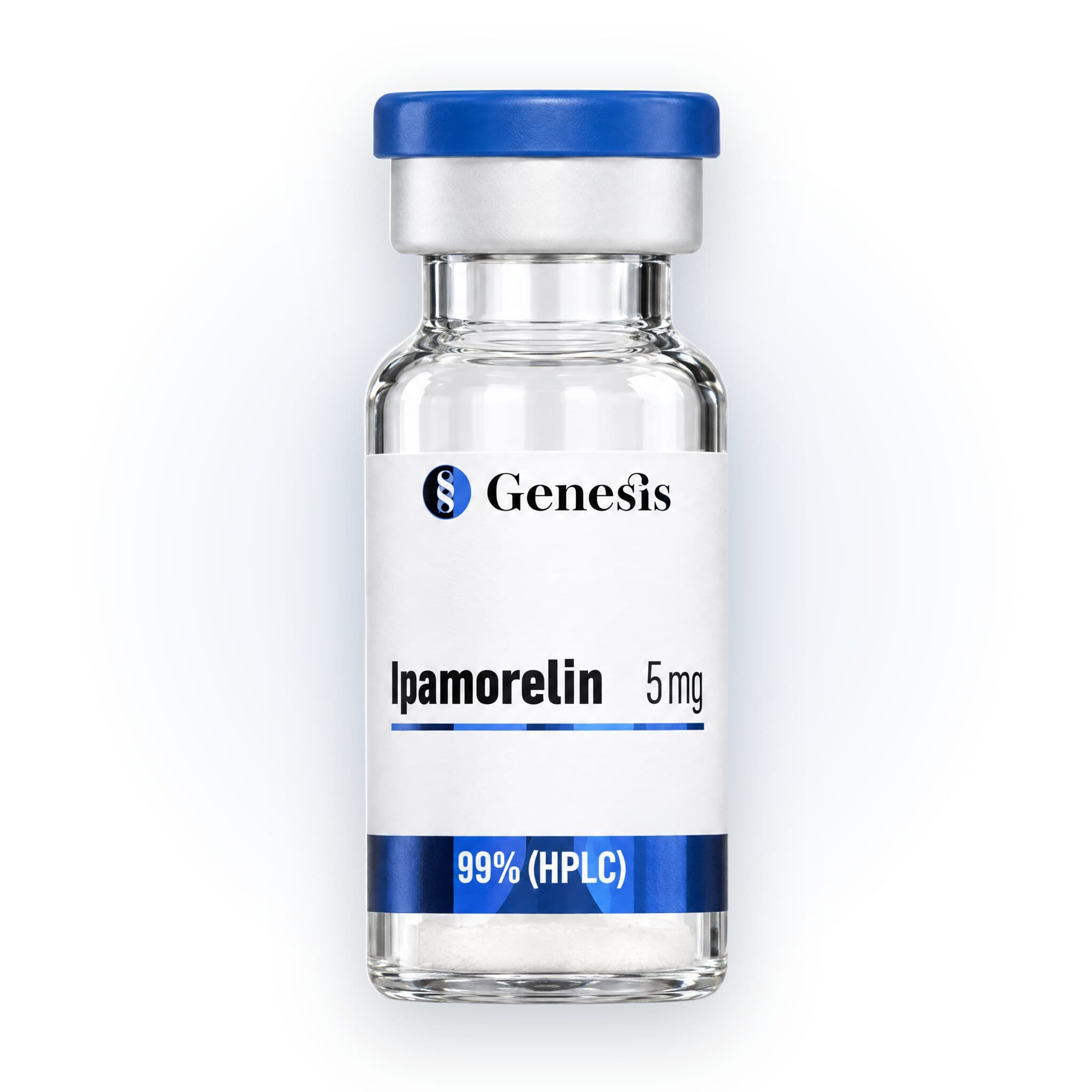
Ipamorelin

Ipamorelin

What Is Ipamorelin Peptide and What Is It Used For? Ipamorelin is a synthetic pentapeptide that stimulates the pituitary to release growth hormone (GH). Since its discovery in 1998, it has gained a lot of attention as the first selective GH secretagogue. It stimulates GH release without affecting other pituitary hormones such as adrenocorticotropic hormone, follicle-stimulating hormone, luteinizing hormone, thyroid-stimulating hormone, and prolactin. Ipamorelin has primarily been researched preclinically for muscle gain and weight loss, as well as for counteracting corticosteroid side effects and postoperative complications [1]. Ipamorelin Benefits Ipamorelin has an intriguing mechanism of action that mimics some aspects of ghrelin (hunger hormone). It’s a selective agonist, which activates the ghrelin receptor pathway [2]. This interaction activates GH release from the pituitary gland, essentially initiating anabolic processes, including: Appetite regulation Fat metabolism and lipolysis Energy utilization on the whole In rodents, ipamorelin increases appetite, hunger, and caloric intake, suggesting that it may be helpful in patients with cachexia or other conditions where weight gain is beneficial [3]. However, in humans, its effect on appetite appears to vary between individuals. Bodybuilding and Muscle Growth Ipamorelin-induced GH may act on muscles through insulin-like growth factor-1 (IGF-1) to increase muscle protein synthesis, inhibit protein degradation, stimulate satellite cell activity, and counteract myostatin signals [4]. In rats treated with glucocorticoid (GC), ipamorelin significantly increased maximum muscle tension and the rate of periosteal bone formation by fourfold [5]. These findings suggest that ipamorelin may mitigate the decline in muscle strength and bone formation typically observed in GC-treated rats. In young rats, chronic administration of ipamorelin does not lead to desensitization of the GH response, helping to increase body weight. However, chronic administration of ipamorelin on pituitary cell culture did lead to a dampened GH response over time, suggesting a desensitization response [6]. Bone Health GH is essential for linear body growth during childhood, bone remodeling throughout life, and bone preservation in aging adults. GH and its downstream effector IGF-1 are central to skeletal growth and homeostasis. They activate osteoblasts and increase calcium storage and bone collagen. In adult rats, 12 weeks of continuously administered ipamorelin significantly increased body weight, bone mineral content, and femur and vertebra L6 bone volume [6]. Another rat study found that ipamorelin increased linear growth rate and body weight in a dose-dependent manner. However, the ipamorelin treatment did not alter levels of IGF-1, IGFBPs, or serum markers of bone formation or resorption [7]. Body Weight The effect of ipamorelin on weight has been paradoxical. Although GH is a crucial hormone for weight loss, most rodent studies found that ipamorelin assists with weight and body fat gain. Ipamorelin has been shown to exert effects beyond muscle mass regulation. Experimental studies demonstrated that it significantly increased insulin secretion (p < 0.04) from the pancreas in both normal and diabetic rats. These findings suggest that ipamorelin may influence glucose metabolism and insulin-dependent anabolic processes [8]. Gut Health and Pain Ipamorelin demonstrated gastrointestinal effects that are mediated through activating ghrelin receptors. In a rodent model of postoperative ileus, a painful bowel paralysis after surgery, ipamorelin was shown to accelerate gastric emptying by enhancing gastric contractility [9]. A clinical trial on 114 patients who had undergone bowel resection surgery compared twice-daily ipamorelin administration with placebo to assess its effects on shortening the time to the first solid meal. Although there was no statistically significant difference between ipamorelin and the placebo, no safety concerns were observed [10]. Ipamorelin Side Effects In a Phase 2 placebo-controlled trial, ipamorelin had lower but nonsignificant differences in incidents of side effects than placebo (87.5% in the ipamorelin group vs. 94.8% in the placebo group) [10]. Adverse effects observed in this trial included headache, gastrointestinal symptoms, and injection site reactions. The study did not report severe side effects specific to ipamorelin. The one report of risk for immunogenicity was linked to a production-related impurity in an IV administration [11].

5/5 TESTS PASSED99%+ HPLC
$40.00$8.00/mg
1
View COA
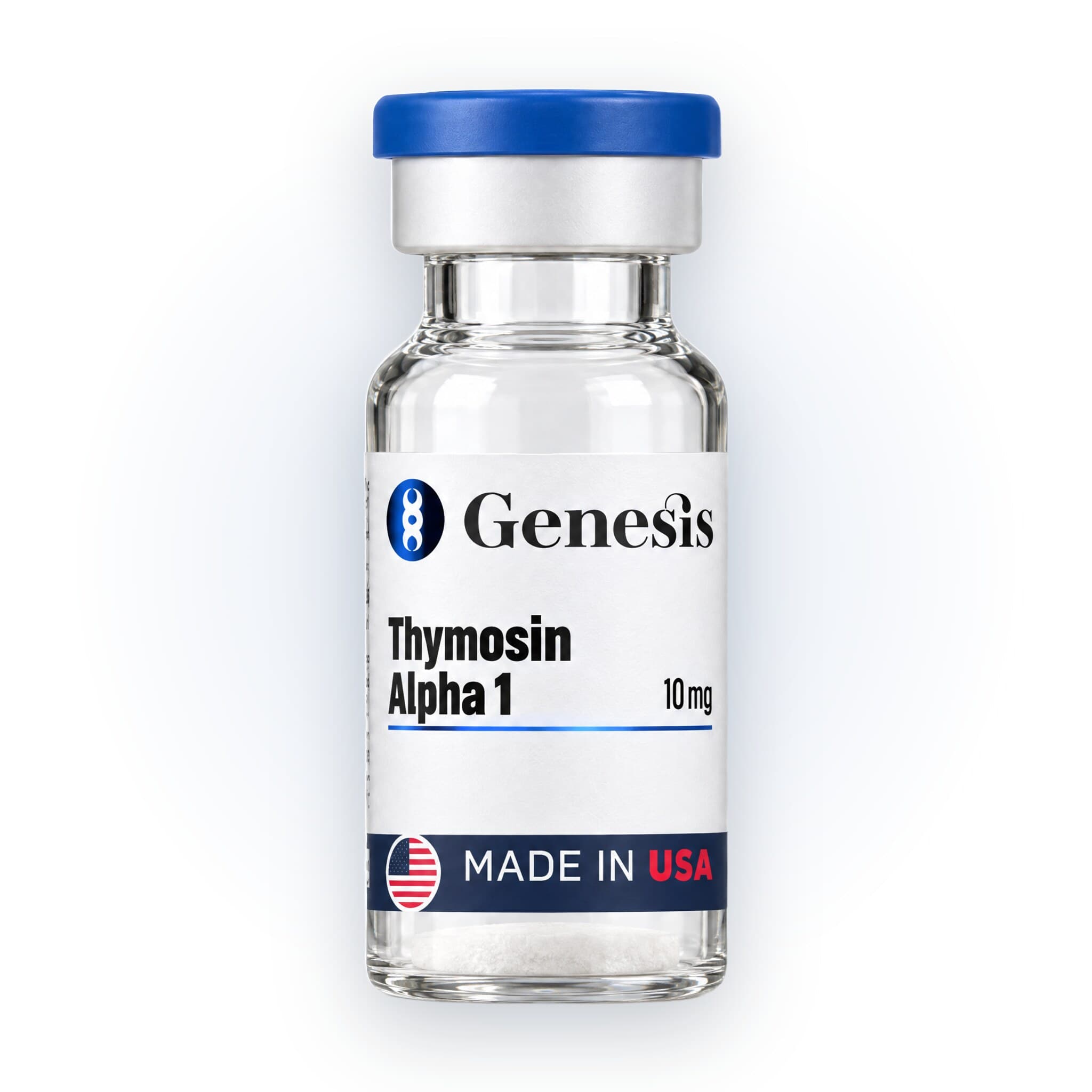
Thymosin Alpha 1

Thymosin Alpha 1

What Is Thymosin Alpha 1 and How Does It Work? Thymosin alpha 1 (Tα1 or TA1) is a 28-amino acid peptide naturally present and isolated from the thymus. It holds an integral role in regulating inflammation, restoring immunity, and enhancing immune tolerance [1]. These functions are crucial for defenses against viral, bacterial, and fungal infections, as well as for inhibiting autoimmunity and tumorigenesis. Immunomodulatory Actions of Thymosin Alpha 1 Tα1 stimulates the innate, adaptive, and humoral immune responses, acting as agonists of toll-like receptors (TLRs) 9 and 2 in specialized antigen-presenting cells, such as myeloid and dendritic cells [1]. Moreover, Tα1 can increase the levels of cytokines: IL-2, IL-10, IL-12, and interferon (IFN) α and γ [1]. These actions are fundamental for fighting viral, bacterial, and fungal infections. On the other hand, Tα1 down-regulates IL-1β and tumor necrosis factor-α, reducing the inflammatory response that may be responsible for autoimmunity and cytokine storms [1]. Tα1-induced immunosuppression can prevent cytokine storm, a catastrophic event seen in some infectious diseases or sepsis. Finally, Tα1 promotes T-cell maturation into CD4+/CD8+ T cells and activates natural killer cells, giving it a crucial role in anti-cancer immunity [1]. Thymosin Alpha 1 Benefits Tα1 has been rigorously tested and has a track record of safety. Since its discovery in the early 1980s, it has been used in various clinical settings as adjuvant treatment, and it has been approved for treating hepatitis B and C in some countries [1]. Besides hepatitis B and C, Tα1 has been proven to be a beneficial treatment for patients with HIV, serving as a safe adjuvant to antiretroviral therapy [1]. In addition, it has shown positive effects in immunocompromised patients following bone marrow transplant or in lowering mortality in patients with sepsis [1, 2]. Tα1 also improves immunogenicity of the influenza vaccine [1]. Additionally, Tα1 helps regulate immunity and reduce inflammation in patients with autoimmune diseases such as rheumatoid arthritis, multiple sclerosis, and systemic lupus erythematosus, likely through its anti-inflammatory activity [3]. Infections Tα1 has been used as an adjuvant therapy in many infectious diseases, including chronic hepatitis B and C, HIV, pseudomonas [4], and mold pneumonia in immunocompromised patients [4]. As an adjuvant in HIV antiretroviral therapy, it helps in increasing CD4+ cell count, stimulates the function of CD4+ cells, and decreases viral load [1]. In addition, Tα1 significantly increases levels of sjTREC in patients with advanced HIV disease, in contrast with the dramatic decline of sjTREC levels as the disease progresses and naive T cells are depleted. An important feature of Tα1 is that it also has an immunomodulatory role that can mitigate sepsis and cytokine storms. A single-blind randomized control trial conducted in six tertiary hospitals in China demonstrated 9% lower mortality in the Tα1-treated group compared to the control group of patients with sepsis [2]. Cancers The anti-tumor effect of Tα1 was studied both in cancer cell lines and in vivo. It has been studied as a single immunotherapeutic agent or combined with chemotherapy, radiotherapy, or surgery. Tα1 inhibits cell proliferation, induces apoptosis, as well as promotes immunosurveillance by increasing the expression of major histocompatibility complex (MHC) I and tumor antigens [3]. In 2015, Guo et al. concluded that Tα1 can decrease proliferation and induce apoptosis in human cancer cell lines such as human leukemia, non-small cell lung cancer, melanoma, and other cancers [1]. Tα1 has shown promising results in patients with malignancies. Tα1 tripled the response rate to dacarbazine in stage IV melanoma patients, compared to dacarbazine alone. It also has proven beneficial effects in head, neck, and hepatocellular carcinoma as well as lung and breast cancer, possibly acting as an immune checkpoint inhibitor [1, 3]. Autoimmunity and Chronic Immune Responses Autoimmune diseases like rheumatoid arthritis, multiple sclerosis, and systemic lupus erythematosus are characterized by a dysregulated immune system. Tα1 levels are not only dramatically lower in patients with psoriatic arthritis when compared with healthy individuals but also when compared with patients with systemic lupus or rheumatoid arthritis [5].

5/5 TESTS PASSED99%+ HPLC
$65.00$13.00/mg
1
View COA
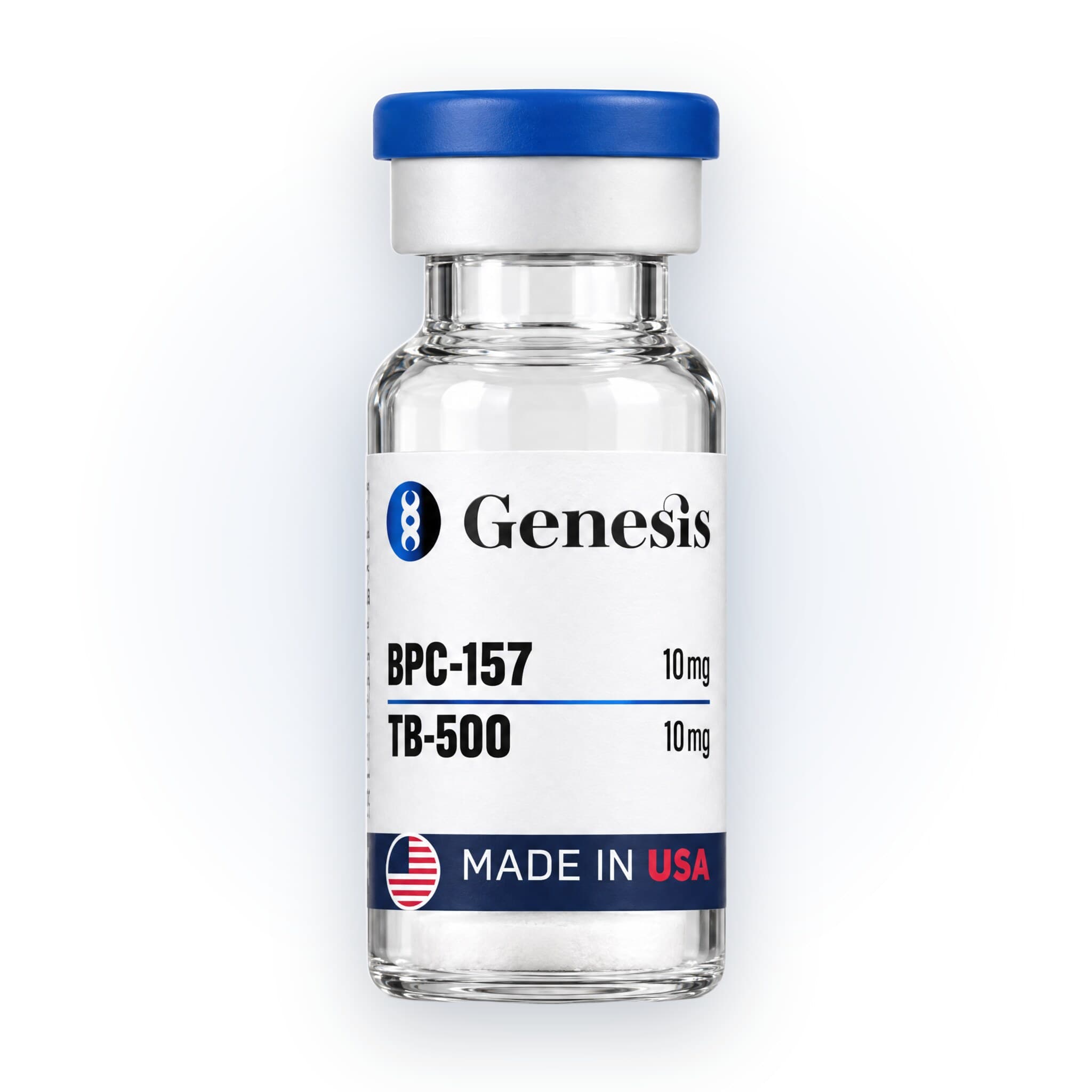
BPC157 + Thymosin Beta-4

BPC157 + Thymosin Beta-4

Research-grade compound with certificate of analysis. Full analytical testing on every lot.

5/5 TESTS PASSED99%+ HPLC
$99.00$9.90/mg
1
View COA
BPC-157

BPC-157

What is BPC-157? BPC-157 is a synthetic pentadecapeptide composed of 15 amino acids, with the sequence Gly-Glu-Pro-Pro-Pro-Gly-Lys-Pro-Ala-Asp-Asp-Ala-Gly-Leu-Val. It is a portion of a protein that occurs naturally in human gastric juice, commonly referred to as Body Protection Compound (BPC). Native BPC helps maintain gastrointestinal integrity under normal physiological conditions. BPC-157 is stable and soluble in water. As a synthetic peptide, BPC-157 is not produced endogenously in this exact form but is designed to replicate a biologically active fragment of the parent protein found in gastric secretions [1]. The peptide has been the subject of extensive preclinical research, particularly in the context of cellular proliferation, angiogenesis, and tissue repair mechanisms. BPC-157 has been studied in animal and in vitro models as a tool for investigating pathways associated with: Gastrointestinal homeostasis Vascular modulation Cytoprotection Inflammation modulation All research involving BPC-157 remains within the domain of experimental studies, and it is not approved for human therapeutic use. What does BPC-157 do? The research Inflammation and pain modulation BPC-157 has been extensively studied in preclinical models for its modulatory effects on inflammation, particularly in relation to tissue injury and repair processes [1]. In various rodent studies, administration of BPC-157 reduced markers of inflammation in models of gastrointestinal, musculoskeletal, and neural injury. By modulating inflammation, rat studies suggest that various BPC variants modulate pain, while BPC-157 predominantly reduces acute pain in incisional and formalin-induced pain [2]. In a rat model of allodynia, it also reduced pain by protecting nerve integrity from capsaicin [3]. BPC may also modulate the nitric oxide (NO) system. It counteracts both excessive and deficient NO activity, supporting endothelial integrity and attenuating leukocyte infiltration in inflamed tissues. This dual regulation may contribute to its observed ability to balance pro-inflammatory and anti-inflammatory signaling cascades [4]. In experimental colitis models, for example, BPC-157 administration was associated with: Reduced mucosal damage Decreased myeloperoxidase activity (a marker of neutrophil infiltration) Normalization of cytokine profiles BPC-157 also promotes angiogenesis (blood vessel growth) and stabilizes vascular function at sites of injury. This angiogenic support not only facilitates tissue repair but may also limit secondary inflammation resulting from ischemia and oxidative stress [5]. Research in tendon and ligament injury models similarly highlights reductions in edema and inflammatory cell presence following BPC-157 exposure. These findings are derived from animal studies, and while promising, they await confirmation in human clinical research to fully understand its therapeutic relevance. Tissue healing and stem cells BPC-157 can facilitate regeneration across various tissue types, including: Tendon Muscle Ligament Bone Nerve A key feature identified in these models is BPC-157’s capacity to modulate cellular and immune environments in ways that promote structural integrity and restoration of injured sites. In rat models of tendon fibroblasts, BPC-157 significantly upregulated growth hormone receptor expression, and enhanced the responsiveness of these cells to endogenous growth hormone [6]. This interaction promotes cell proliferation and tissue regeneration, increasing expression of proliferation markers: Proliferating cell nuclear antigen (PCNA) JAK2 signaling pathway These results suggest a supportive role in tendon repair processes at the molecular level, enhancing the body's natural regenerative mechanisms. BPC-157 may influence stem cell activity indirectly by optimizing the local microenvironment of injured tissues. While direct stimulation of stem cell differentiation by BPC-157 has not been definitively proven, its actions on surrounding tissues, blood vessels, and extracellular matrix components are believed to indirectly enhance stem cell-mediated repair processes. Gut health BPC-157 has been extensively studied in preclinical models for its protective and regenerative effects on the gastrointestinal (GI) tract [7]. Research in rat models of ileoileal anastomosis healing, for instance, shows that BPC-157: Modulates local immune responses Enhances granulation tissue formation Increases collagen and reticulin deposition Promotes re-epithelialization Supports the regeneration of muscular tissue strands at anastomotic sites. BPC-157 reduced adhesion formation and necrosis, while accelerating the resolution of edema and inflammatory infiltrates in treated animals compared to controls. Additional experimental models of intestinal injury, including those involving perforations, fistulas, or induced colitis, report that BPC-157 administration supported gut integrity by: Promoting angiogenesis Mitigating tissue necrosis Stabilizing microvascular structures The peptide’s influence on nitric oxide pathways and its modulation of endothelial function are proposed mechanisms underlying these benefits. While clinical trials in humans remain limited, the consistent findings across animal models offer a compelling basis for future investigation into its application in gut health contexts. BPC-157 in bees Bees are crucial pollinators whose populations are in significant declines. Research suggests that BPC-157 may help to improve bee health and survival. In bees, BPC-157 improves colony strength and enhances certain aspects of immune responses [8]. Supplementation of bee diets with the peptide reduced the infection load of the Nosema ceranae, a one-celled fungal parasite. BPC-157 also attenuates gut damage from N. ceranae infections [8]. Overall, BPC-157 may be beneficial in beekeeping.

5/5 TESTS PASSED99%+ HPLC
$50.00$10.00/mg
1
View COA
NAD+

NAD+

What is NAD+? Nicotinamide adenine dinucleotide (oxidized form), commonly abbreviated as NAD⁺, is a naturally occurring coenzyme found in all living cells. It has gained interest in research due to its roles in mediating various cellular anti-aging processes. It plays a central role in redox reactions, acting as an electron carrier in metabolic processes such as glycolysis, the Krebs cycle, and oxidative phosphorylation [1, 2, 3]. Structurally, NAD⁺ consists of two nucleotides joined through their phosphate groups: one nucleotide contains an adenine base, and the other contains nicotinamide [4]. Image source [4] NAD+ functions In cellular systems, NAD⁺ functions as a substrate for a range of enzymes, including: Sirtuins: deacetylases and ADP-ribosyltransferases responsible for the regulation of metabolism, cellular stress response, and aging [5] Poly(ADP-ribose) polymerases (PARPs): enzymes responsible for DNA repair, genomic stability, and programmed cell death [6] CD38/CD157: cell surface proteins found in immune cells [7] In its oxidized form (NAD⁺), the molecule accepts electrons and is converted into its reduced counterpart, NADH, which subsequently donates those electrons to the mitochondrial electron transport chain for ATP production [8]. However, NAD⁺ itself remains a molecule of focus for research exploring its direct biochemical interactions within various intracellular compartments, including the cytoplasm, nucleus, and mitochondria. NAD+ and anti-aging Intracellular NAD⁺ levels decline with cellular aging, demonstrated in several mammalian tissues [9]. Various anti-aging hormeses, such as caloric restriction and cold exposure, work partly by increasing cellular NAD+. This observation has created interest in longevity research and has launched multiple investigations into NAD⁺ precursors such as nicotinamide riboside (NR) and nicotinamide mononucleotide (NMN) in both animals and humans [10], [11]. Age-associated declines in NAD⁺ levels have been linked to impaired mitochondrial function, increased oxidative stress, and reduced sirtuin activity [9].   Lower NAD⁺ concentrations correlate with diminished autophagy, shortened telomeres, and lowered PARP DNA repair activity [12, 13]. Age-related NAD⁺ depletion also impairs endothelial function and contribute to chronic low-grade inflammation [14]. NAD+ and DNA repair Although NAD+ is a PARP substrate, it’s unclear whether increasing physiologic NAD+ concentration can meaningfully improve DNA repair. A clinical trial with 21 healthy smokers orally supplemented nicotinic acid (0, 50, or 100 mg/day) over 14 weeks to track various biological and DNA associated parameters. After 14 weeks, results found [15]: Supplementation with 50 and 100 mg/day of nicotinic acid elevated blood nicotinamide and lymphocyte NAD⁺ concentrations. The rise in NAD⁺ was most pronounced in individuals with initially low NAD⁺ levels. There was no significant reduction in HPRT variant frequencies or micronuclei induction, common measures of DNA damage. Although nicotinamide supplementation did not activate markers of DNA repair, larger sample size studies and comparison to healthy individuals are needed. NAD+ and metabolic health NAD+ supplementation can tangibly improve whole-body metabolic health. An RCT of 30 overweight or obese adults over 45 received 1,000 mg/day of β-nicotinamide mononucleotide (MIB-626) (2 x 500 mg tablets twice daily) vs. placebo for 28 days to see whether NAD⁺ levels could be safely boosted and improve markers of cardiometabolic health [16]. Results showed that MIB-626 supplementation: Significantly increased circulating levels of NAD⁺ and related metabolites significantly increased (p < 0.05). Increased body weight by ~1.9 kg (p = .008). Reduced diastolic blood pressure by ~7 mmHg (p = .034). Significantly reduced total cholesterol by ~27 mg/dL (p = .004) and LDL by ~19 mg/dL (p = .007). NAD+ and addiction NAD+ supplementation is a powerful way to curb addictive behaviors. A pilot study investigated the effects of intravenous NAD+ and enkephalinase combination infusions on cravings and psychological outcomes in 50 individuals with Substance Use Disorder (SUD) [17]. The cohort included a diverse group of poly-drug-dependent individuals. Behavioral changes were evaluated using Likert scales, measuring craving, anxiety, and depression levels before and after infusion therapy. IV NAD+ infusions resulted in: A significant reduction in withdrawal symptoms such as craving, anxiety, and depression (p < 0.0005) Reduced relapse risks as participants had no detectable illicit substances based on the urine tests All reductions followed a dose-dependent linear trend, with greater improvements observed over time. The study shows the potential application of NAD/NADH as a stand-alone treatment in attenuating symptoms of addiction.

5/5 TESTS PASSED99%+ HPLC
$125.00$0.25/mg
1
View COA
Sermorelin

Sermorelin

What is Sermorelin? Sermorelin is a synthetic analog of growth hormone–releasing hormone (GHRH). GHRH is a naturally occurring peptide secreted by the hypothalamus to stimulate growth hormone (GH) production in the anterior pituitary gland. Structurally, sermorelin is a 29–amino acid peptide fragment of GHRH that retains full biological activity in terms of binding to pituitary receptors and triggering GH release [1]. Originally, sermorelin was developed as a diagnostic tool to assess pituitary function. Over time, its use has expanded into research exploring potential roles as a secretagogue in endocrine regulation, metabolism, and aging biology. Sermorelin benefits, safety, and side effects Height increase and catchup growth Sermorelin stimulates the pituitary to produce and secrete GH, which in turn drives the liver and peripheral tissues to generate insulin-like growth factor-1 (IGF-1), the primary mediator of bone elongation and linear growth. Clinical trials in children with impaired growth velocity have shown that sermorelin administration can increase growth rate and promote catch-up growth. Specifically, once-daily subcutaneous Sermorelin (30 µg/kg body weight) at bedtime was effective in treatment of prepubertal children with idiopathic GH deficiency [2]. Although sermorelin-treated children demonstrated less height improvements compared to 30 µg/kg/day of somatropin (bioidentical GH), sermorelin was likely safer and better tolerated. Unlike direct GH therapy, sermorelin does not appear to excessively elevate circulating GH or IGF-1 levels, potentially lowering the risk of disproportionate bone growth or metabolic complications. In this context, sermorelin is best understood as a diagnostic and therapeutic tool that can support normal developmental trajectories in children with specific types of growth impairment. However, long-term data remain limited, and not all forms of growth delay respond equally, underscoring the importance of careful patient selection in research and clinical settings. Anti-carcinogenesis Preclinical studies suggest that GHRH analogs similar to sermorelin can exert anti-proliferative effects in certain cancer models. Mechanistically, these peptides appear to influence signaling pathways that regulate apoptosis, angiogenesis, and cell cycle progression [3]. A transcriptomic screen for candidate compounds in treatment-resistant glioma patients identified sermorelin as a candidate compound effective against the glioma [4]. Among screened compounds, sermorelin emerged as the most promising agent for recurrent gliomas, especially those with high-grade tumors, IDH-wildtype status, and 1p/19q non-codeletion. This study suggests that sermorelin may inhibit glioma cell proliferation by blocking the cell cycle, although clinical validation is required. Bone health and muscle mass GH and IGF-1 support osteoblast activity, increase bone turnover, and may help reverse age‐related loss of bone mass. These hormones also support muscle growth and maintenance along with tissue repair [5, 6]. As a GH secretagogue, sermorelin may mitigate some aspects of age-related decline in bone health. However, specific trials of sermorelin in aging adults focused on bone density remain limited. A single-blind, randomized, placebo-controlled trial of 19 people investigated the effects of nightly subcutaneous sermorelin at 10 µg/kg for 16 weeks. Results showed [7]: Significant increases in GH release over 2 hours post-injection and in 12-hour mean GH levels Increased IGF-1, IGFBP-3, and GHBP levels until week 12 Significantly increased lean body mass in men (+1.26 kg) No significant changes in body weight, body fat mass, or dietary intake Increased skin thickness in both genders after 16 weeks Improved insulin sensitivity While body weight, fat mass, and testosterone levels remained stable, these findings suggest sermorelin may mitigate age-related GH/IGF-1 decline and corresponding muscle mass loss. Side effects In clinical and research use, sermorelin has generally been regarded as safe and well tolerated, especially in comparison to direct recombinant growth hormone therapy. Because it acts as a secretagogue, stimulating the body’s own pulsatile growth hormone release rather than providing supraphysiologic doses, its endocrine profile is considered closer to natural physiology. The most frequently reported adverse effects are mild and transient, such as injection site reactions, flushing sensation, and nausea. Serious side effects are rare in published reports, and no consistent evidence suggests long-term harm at research dosages. However, as with other growth hormone-modulating therapies, caution is advised in individuals with active malignancy, since GH and IGF-1 pathways can influence cell proliferation. Overall, the safety data indicate a favorable risk profile for sermorelin within short- to medium-term use, though robust long-term clinical studies are limited.

5/5 TESTS PASSED99%+ HPLC
$45.00$9.00/mg
1
View COA
Catalog

Research Peptides

Lyophilized powder. Every lot undergoes five independent analytical tests before it ships.

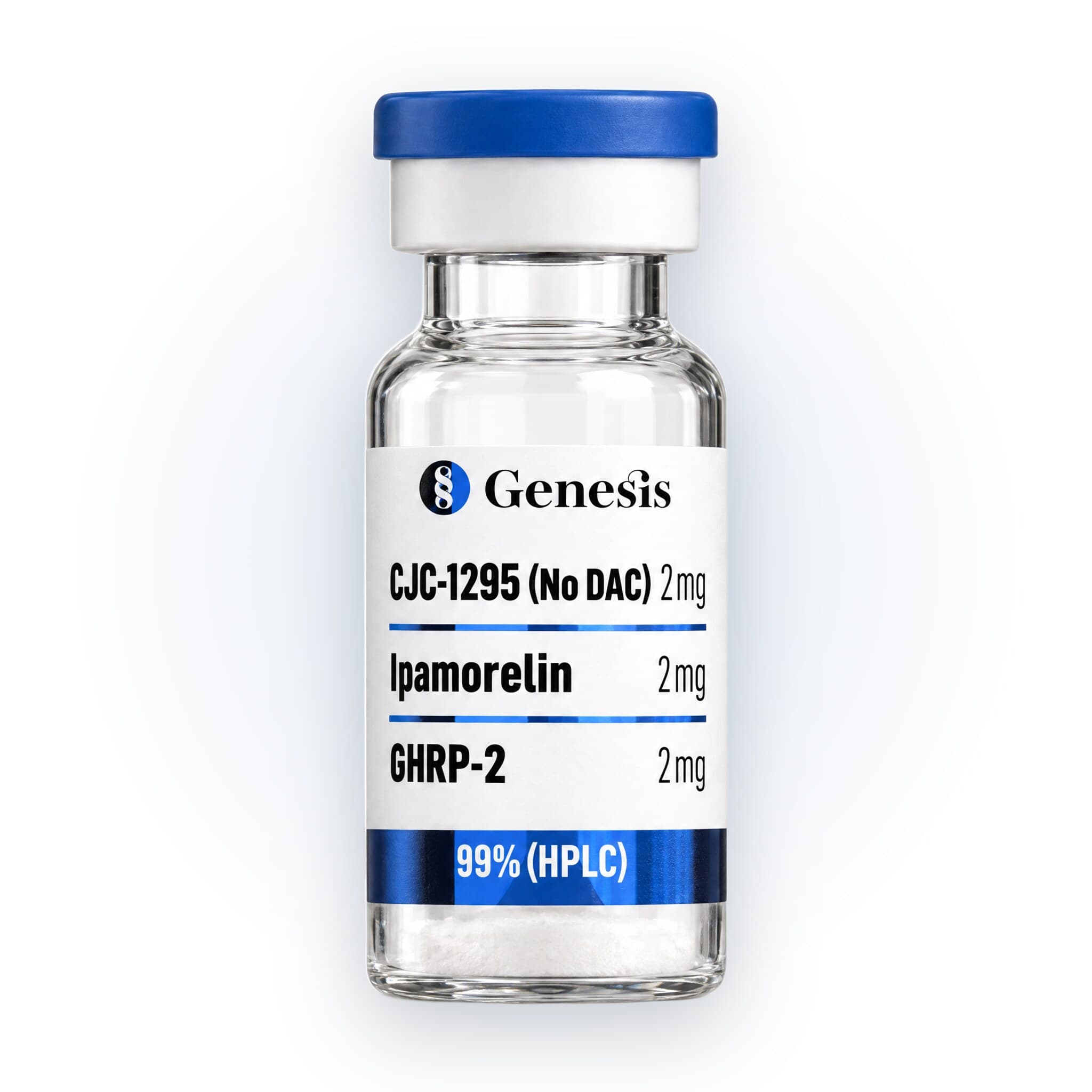
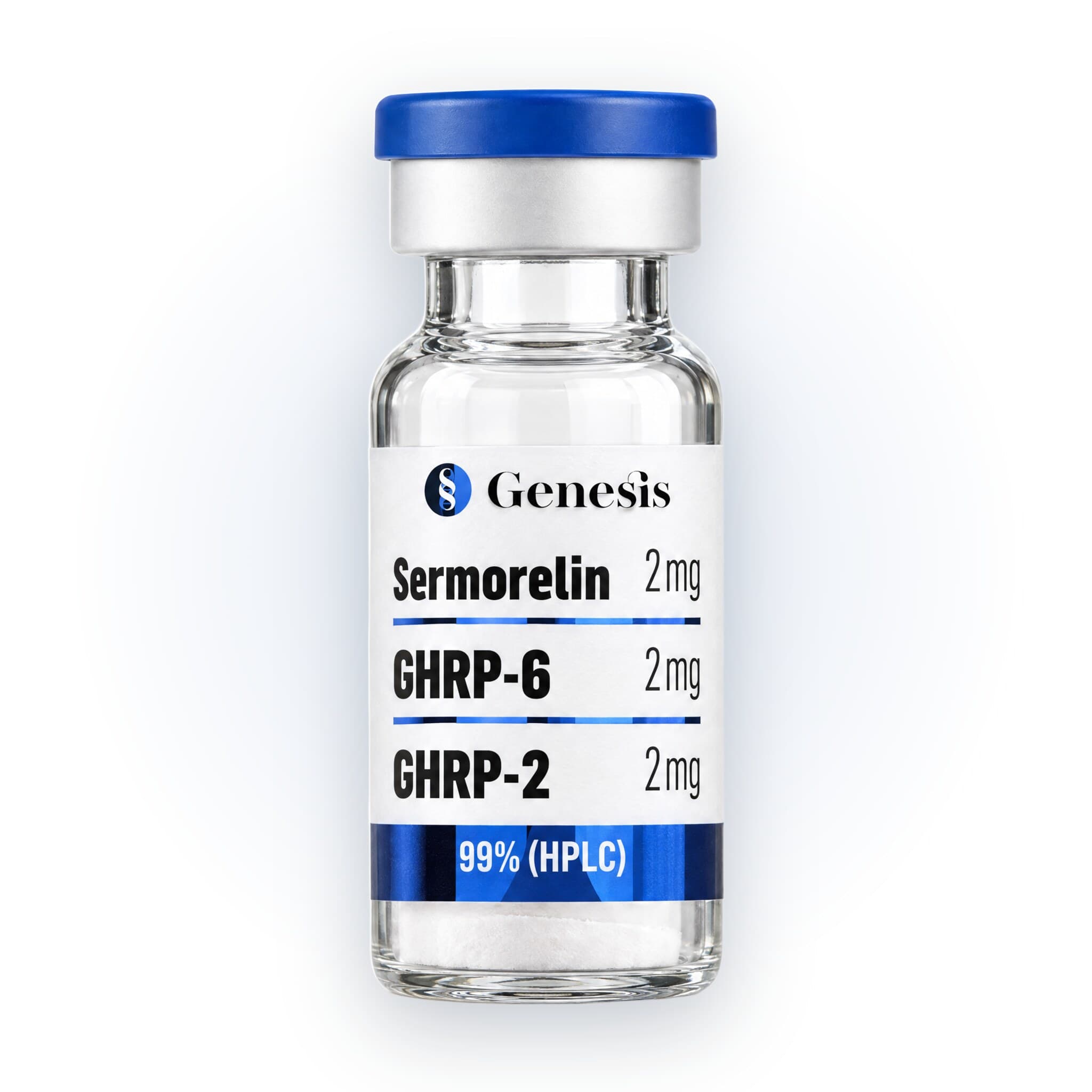
CJC1295 no DAC + Ipamorelin +GHRP2 - 2mg+2mg+2mg

CJC1295 no DAC + Ipamorelin +GHRP2 - 2mg+2mg+2mg

Research-grade compound with certificate of analysis. Full analytical testing on every lot.

5/5 TESTS PASSED99%+ HPLC
Blend
$50.00
1
View COA
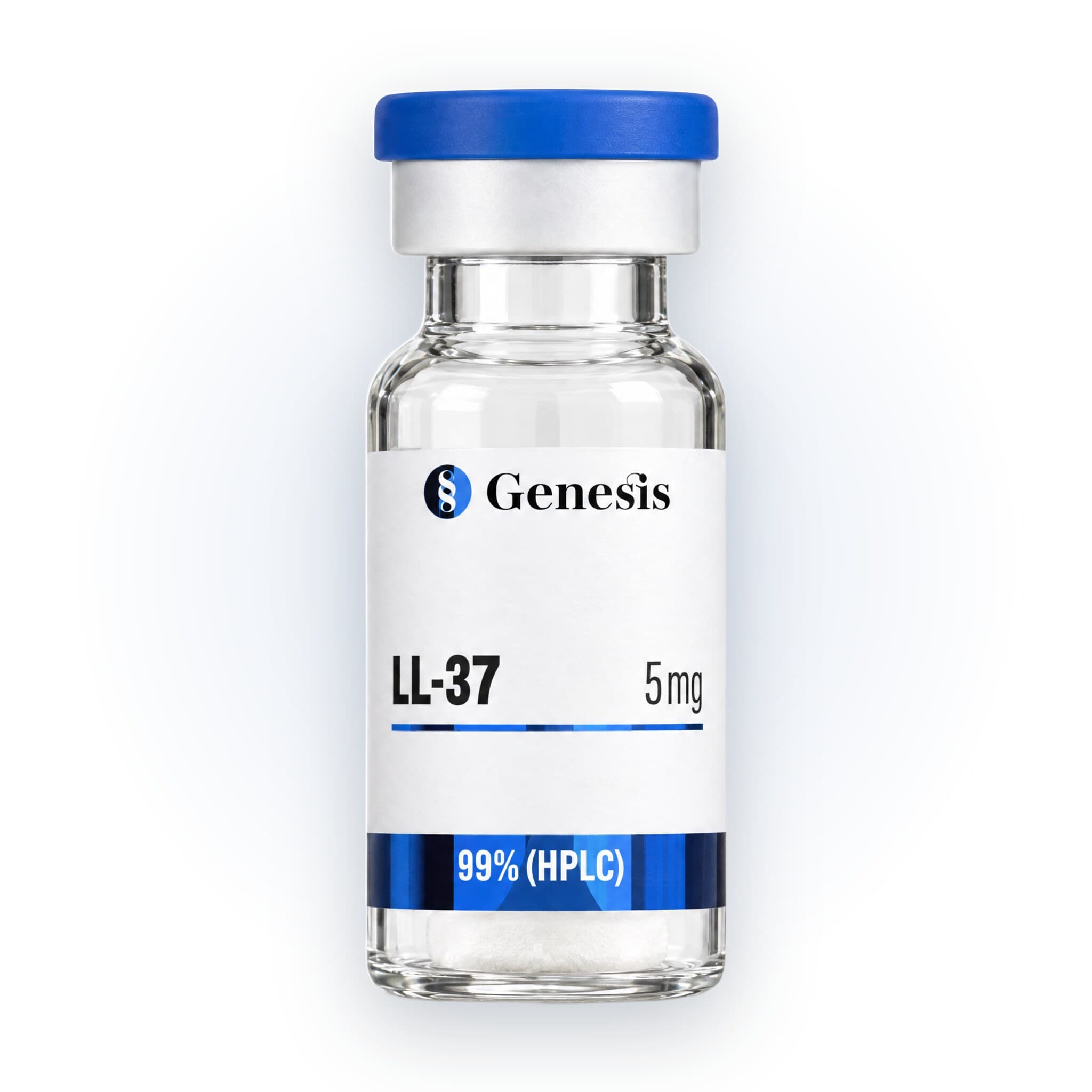
LL-37

LL-37

5mg

5/5 TESTS PASSED99%+ HPLC
Single Size
$75.00
1
View COA
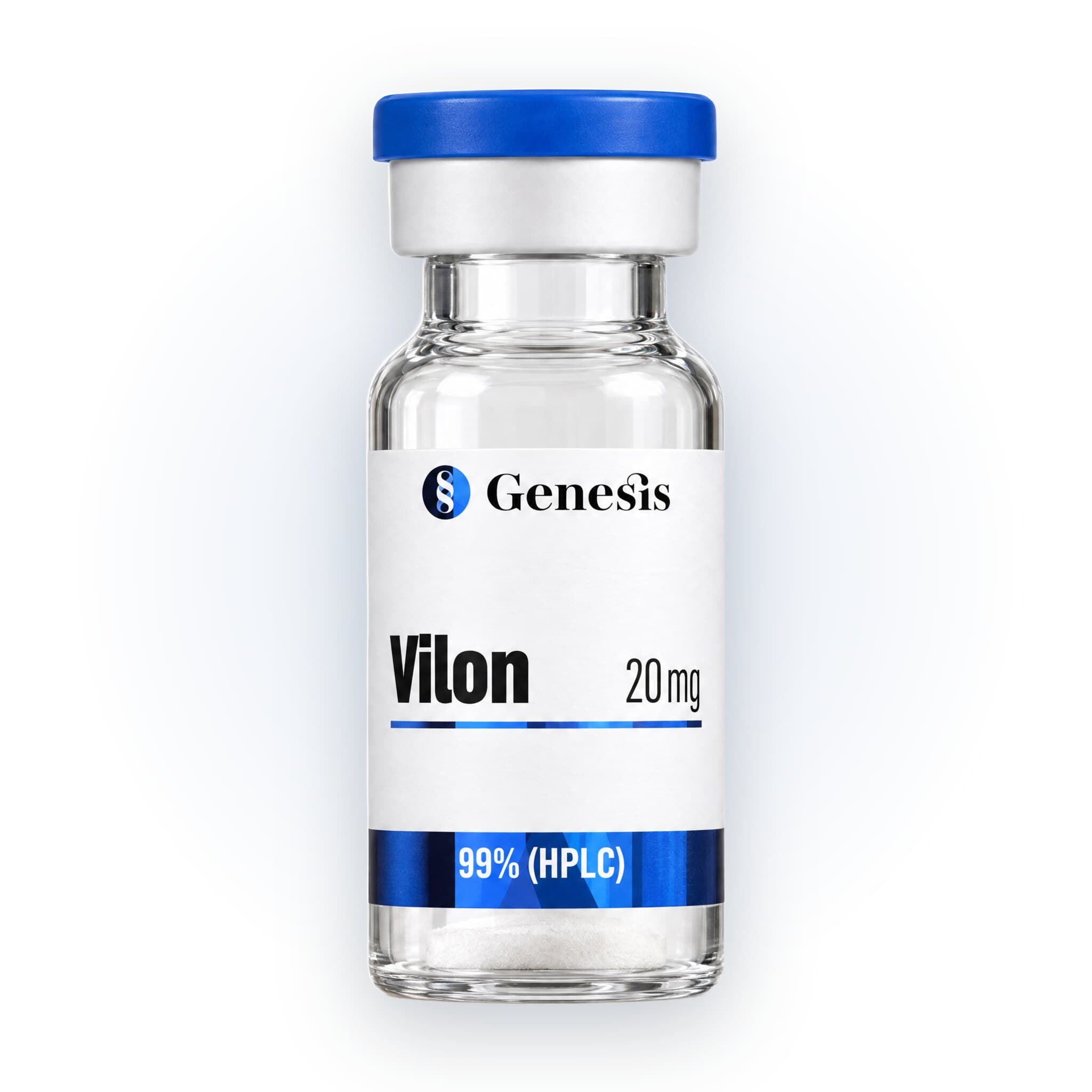
Vilon

Vilon

What is Vilon? Vilon is a short synthetic dipeptide composed of lysine bound to glutamic acid (Lys-Glu). Vilon is considered a thymic peptide analogue, meaning it mimics biological activity associated with peptides produced by the thymus gland, an organ essential to immune system development. Like other bioregulatory peptides, Vilon has been studied for its ability to regulate protein synthesis and normalize cellular homeostasis, particularly in tissues affected by stress, aging, or immune dysfunction. While Vilon is not approved for medical use outside research settings, its small molecular structure enables high bioavailability and cell membrane permeability, characteristics that have made it an important subject in peptide-based therapy research. Vilon Peptide Benefits Immunomodulatory Vilon shows immunomodulatory properties, particularly its effects on thymus-dependent immune pathways. In an in vitro study using human monocytic THP-1 cells, Vilon treatment resulted in [1]: Increased cell proliferation activation via tyrosine phosphorylation of mitogen-activated kinases (MAPKs). Anti-inflammatory effects via suppression of tumor necrosis factor (TNF) and interleukin-6 (IL-6) even after exposure to LPS. A reduction in endothelial cell adhesion, a hallmark of decreased inflammatory activation. In Type 1 diabetes patients, administering Vilon resulted in [2]: Improved coagulation parameters by increasing antithrombin III and protein C, while also stimulating fibrinolysis. Reduced the required insulin dosage to maintain stable glucose metabolism. Reduced elevated T-helper cells and natural killer (NK) cell subpopulations. Restored levels of active T-lymphocytes, B-lymphocytes, and immunoglobulin A (IgA). Increased baseline insulin production and thereby decreased insulin need by 9 units. Anti-aging and regenerative Vilon has been investigated within the field of bioregulatory peptide research for its potential role in cellular repair, longevity regulation, and tissue regeneration. A case series examined 250 adults aged 65–87 with chronic periodontitis along with type II diabetes, atherosclerosis, and other cardiovascular diseases. Subjects received 10–20 µg daily submucosally for 5–10 days. The treatment significantly improved immune, oxidative stress, and coagulation parameters. Vilon treatment also reduced periodontal pocket depths by 1.2 Ramfjord index points and papillary marginal alveolar index by 10 times. These benefits, however, happened to a lesser degree in younger people with chronic periodontitis [3]. Age-associated declines in phosphorylated CREB (pCREB) reduce levels of arylalkylamine N-acetyltransferase (AANAT), contributing to age-related declines in melatonin, circadian rhythm, and sleep disruption. Rat pinealocytes were treated with either control (no treatment), norepinephrine (NE) 1 µg/ml (positive control), or peptide-treated cultures (epithalone or Vilon) at 100 ng/ml. Subsequently, cultures were incubated for up to 3 hours at 36.7°C in 5% CO2 [4]. Results showed that Vilon: Induced a 7-fold rise in pCREB expression after 1 hour. However, the effect was transient, returning to control levels within 2–3 hours. Produced a short-term stimulation of AANAT expression at 1 hour, but this effect diminished with prolonged exposure. Vilon peptide transiently enhances early transcriptional activation (pCREB) and enzyme induction (AANAT) in pinealocytes, suggesting it plays a regulatory role in stimulating melatonin synthesis at the initial phase of the signaling cascade. Aging is often associated with increased chromatin condensation (heterochromatinization), which suppresses gene expression. Another cell study investigated the effects of Vilon on chromatin organization in cultured lymphocytes obtained from elderly individuals [5]. The results demonstrated that Vilon loosened chromatin both globally and in the nucleolus, restoring access to genes silenced during aging. Apoptosis modulation and anti-cancer Vilon plays an apoptoregulatory role, helping to protect somewhat damaged healthy cells. However, in cancer cells, Vilon seems to increase apoptotic cell death, which can help prevent further cancer progression. In a cell study, administration of Vilon administered to rat spleen lymphocytes post-radiation induced significantly less apoptosis [6]. To date, the exact mechanisms by which apoptosis is inhibited has not been elucidated.   In rats transplanted with carcinoma, Vilon stimulated apoptosis in both young and old rats, suggesting that instead of protecting damaged cells, Vilon plays a more apoptoregulatory role [7]. Because dysregulated apoptosis is a hallmark feature of carcinogenesis, some studies have explored Vilon’s effects in oncological research settings. Early experimental reports from Russian investigators suggest that Vilon could serve as an adjuvant to cancer therapy, resulting in [8]: Increased 2-year survival of patients Prevention of post-operative complications Reduced recurrences and tumor dissemination However, such studies remain experimental, and no clinical evidence currently supports Vilon for use in oncology. Vilon’s role in apoptoregulation continues to be a subject of research in the broader field of cellular homeostasis and peptide-based cytoprotection.

5/5 TESTS PASSED99%+ HPLC
Single Size
$40.00
1
View COA
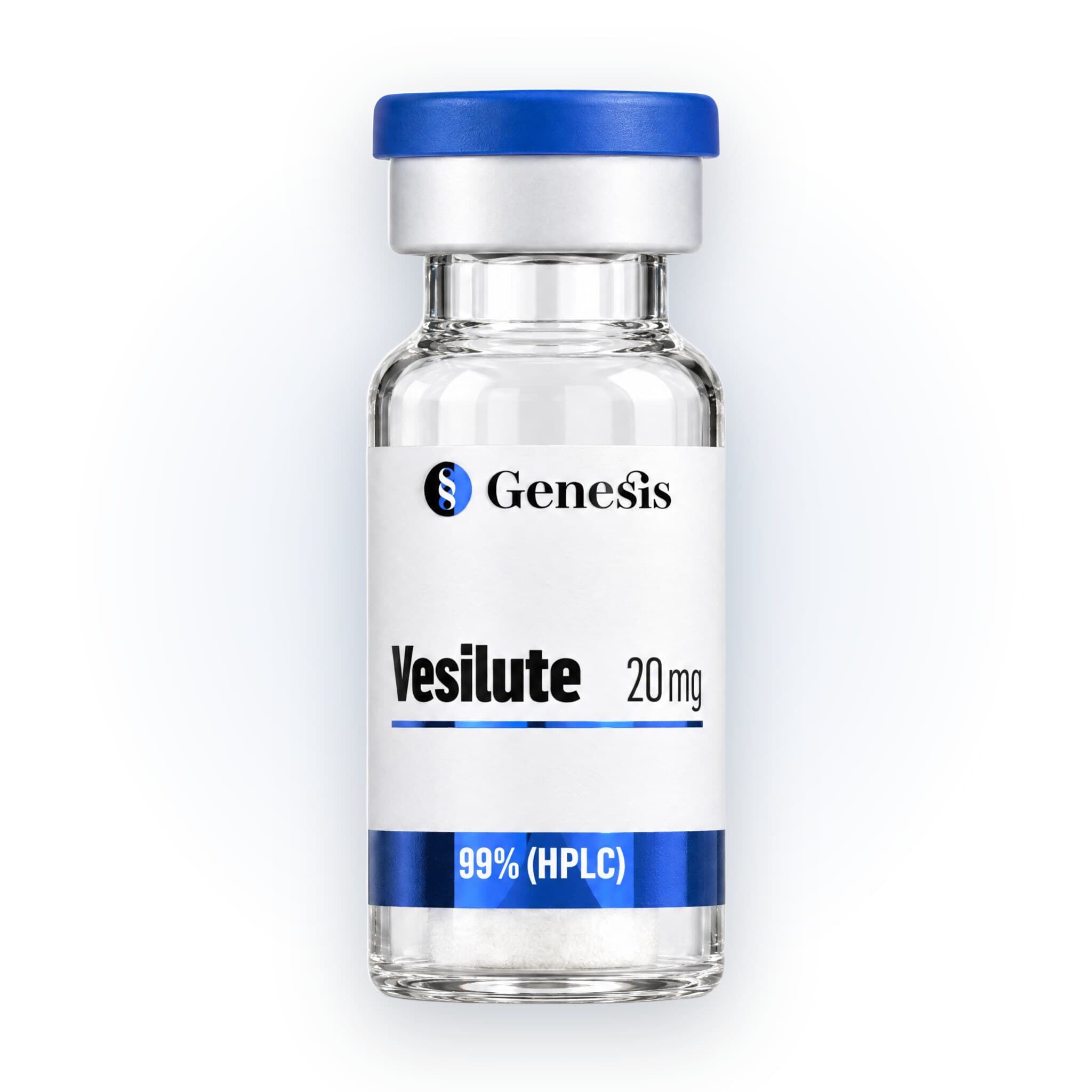
Vesilute

Vesilute

20mg

5/5 TESTS PASSED99%+ HPLC
Single Size
$40.00
1
View COA
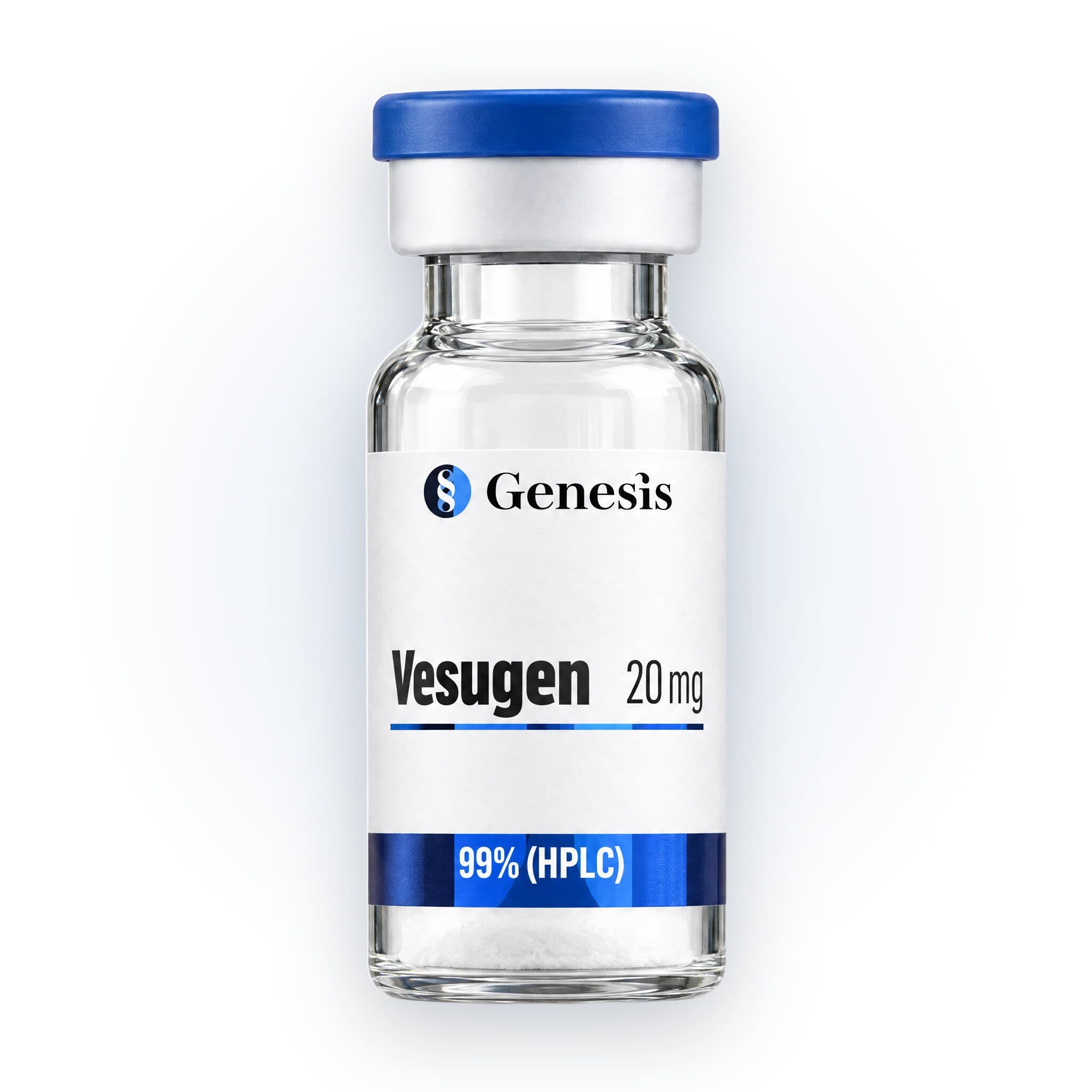
Vesugen

Vesugen

What is Vesugen Peptide? Vesugen (also called vezugen) is a bioregulatory tripeptide with the amino sequence Lys-Glu-Asp [1], [2], developed based on the primary structure of polypeptides from animal organs. It was discovered at the Military Medical Academy in Russia alongside other anti-aging peptides like Epitalamin and Cortexin in Vladimir Khavinson’s group [3]. Vesugen Peptide Benefits, Mechanisms, and Side Effects Anti-Aging Benefits Vesugen may deliver vasoprotective and geroprotective benefits through epigenetic regulation of aging-related proteins, including: Decreasing Ki-67, a biomarker of aging. Ki-67 protein decreases during aging and in dissociated vascular endothelial cell cultures. Since vesugen physically interacts with the promoter region of the gene encoding Ki-67, vesugen may deliver vascular protective effects through epigenetic regulation of Ki-67 levels [4]. Increasing differentiation factors CXCL12 and WEGC1, which typically decline in aging cells. In fibroblast cell culture, vesugen increased these protein levels [5]. Increasing Sirtuin 1, which participates in DNA repair [6]. Increasing Growth-Associated Protein 43 (GAP43), which facilitates neurotransmission and neuroplasticity was increased after vesugen cell treatment [7]. Increasing Nestin, a protein marker of neuronal precursors, which was upregulated after vesugen cell treatment [7]. Side Effects A clinical studied treated 32 people aged 41-83 years with polymorbidity and organic brain syndrome in remission with vesugen. This treatment significantly slowed the rate of aging based on biological age indicators. Importantly, there were no changes in the degree of chromatin condensation, leading the authors to declare it safe on a nuclear genetic level [8]. Antioxidant and Cellular Protection Even though vesugen doesn’t have direct antioxidant activity, it can modify the structure of human lipoproteins and restrict lipid peroxidation [1]. On the other hand, a more recent study [8] performed on human subjects showed that Vesugen had pro-oxidant activity and the authors recommended against its use as an antioxidant.   A 2008 study suggests that short regulatory peptides, including vesugen, decrease the percentage of dead cells in the neuronal population [1]. An important clinical trial done on 150 truck drivers affected by occupational factors demonstrated that administration of short bioregulating peptides including Pinealon and vesugen restored psychoemotional status and enhanced stress resistance [9].   Moreover, in the mouse model of Alzheimer’s disease, a pronounced improvement in synaptic dendritic structures after administration of vesugen suggests that it may be able to restore neuroplasticity during early stages of Alzheimer’s disease [2]. Vascular and Sexual Health Atherosclerosis is a vascular disease characterized by lipid accumulation and plaque formation within arterial walls, resulting from endothelial injury associated with aging and oxidative stress. As arterial stiffening and narrowing from atherosclerotic plaque increase vascular resistance, hypertensive disorder may develop, which in turn further promotes endothelial damage and plaque progression [10]. Moreover, in vitro studies suggest that vesugen modulates endothelin-1 expression, potentially normalizing its levels and mitigating atherosclerotic and restenotic changes [6]. Vesugen was also investigated in 41 patients with vasculogenic erectile dysfunction as a manifestation of atherosclerosis. Clinical and instrumental parameters of blood flow in the main penile arteries before and after therapy showed that the blood flow through the main artery of the penis significantly improved [11]. Immunomodulatory effects Even though vesugen had no effect on differentiation capacity of immune cells of the pineal gland, it enhanced their proliferation potential [12].  In addition, Vesugen increased proliferative activity of thymocytes and activated their differentiation into regulatory T cells, preventing their apoptosis [7].  Since age-related reduction of thymus functional activity is an important cause of infections, vesugen could be of great benefit in boosting immunity.

5/5 TESTS PASSED99%+ HPLC
Single Size
$55.00
1
View COA
Testagen

Testagen

20mg

5/5 TESTS PASSED99%+ HPLC
Single Size
$65.00
1
View COA
Chonluten

Chonluten

20mg

5/5 TESTS PASSED99%+ HPLC
Single Size
$55.00
1
View COA
Cardiogen

Cardiogen

What Is Cardiogen Peptide? Cardiogen is a short tetrapeptide (H-Ala-Glu-Asp-Arg-OH, also abbreviated as ADER) derived from cardiac tissue and belongs to a class of peptides developed to support organ-specific regulation. Studied initially in Eastern Europe, Cardiogen is designed to interact with cardiomyocytes and the cardiac conduction system, where it may influence gene expression linked to cell survival, protein synthesis, and myocardial repair [1]. Its peptide sequence allows it to function as a signaling molecule, potentially modulating various cellular pathways involved in cardiac metabolism and structural integrity. As there is no clinical study on the Cardiogen peptide to date, it remains a research compound without approved therapeutic use. Cardiogen remains under investigation for its potential role in supporting heart cell homeostasis. Cardiogen Peptide Benefits Cell Protection and Apoptosis Regulation Cardiogen may support cardiomyocyte survival by maintaining structural and functional stability in cells exposed to stress. Although the precise molecular mechanisms remain under investigation, experimental reports suggest that Cardiogen may modulate pathways involved in apoptosis [2]. Rather than acting as a direct inhibitor, Cardiogen could influence cellular homeostasis, potentially helping reduce premature loss of cardiac cells. In a rat model of myocardial infarction (MI), administration of Cardiogen resulted in a three-fold reduction in mortality, reduced necrotic heart tissue, and preserved glycogen reserves [3]. These findings suggest that Cardiogen preserves and protects cardiac tissue by stabilizing mitochondrial integrity and modulating apoptosis. Cardiac Tissue Regeneration and Antifibrosis Cardiogen has been studied for its potential to stimulate cardiomyocyte proliferation and enhance reparative biosynthesis, including the upregulation of anti-apoptotic factors necessary for tissue recovery. An animal study extracted myocardial tissue explants from young (three-month-old) and aged (24-month-old) rats to evaluate the effect of Cardiogen and other amino acids on cell proliferation and apoptosis regulation [4]. After tissue exposure to 20 individual amino acids or to the synthetic tetrapeptide Cardiogen, all substances were tested at a concentration of 10⁻¹² M. Among the 20 amino acids tested, 7 stimulated cell proliferation in young rats, while only 2 amino acids had any proliferative effect in aged rats. However, Cardiogen demonstrated the strongest effect by: Significantly stimulating cardiomyocyte proliferation in both young and old rats Exceeding activity of any individual amino acid tested Significantly decreasing p53 expression This study demonstrates that Cardiogen exhibits pro-proliferative and anti-apoptotic effects in myocardial tissue from both young and aged rats at extremely low concentrations. One mechanism proposed for Cardiogen is its modulation of extracellular matrix (ECM) remodeling. Following cardiac injury, excessive deposition of collagen and matrix proteins can lead to fibrosis, reducing myocardial elasticity and impairing contractile function [5]. If Cardiogen can help regulate fibroblast activity by balancing collagen synthesis and degradation, this may help preserve normal heart function after cardiac injury. Anti-Cancer Benefits Beyond its relevance to cardiology research, Cardiogen has also been evaluated in experimental oncology for its potential effects on cell differentiation and gene regulation. A preclinical in vivo study evaluated the effect of Cardiogen peptide on tumor growth in 78 aged rats implanted with M-1 sarcoma, a fast-growing connective tissue tumor [2]. Rats were divided into five total groups: Group 1: Control (tumor only) Group 2: Cardiogen 0.5 μg (low dose), administered days 1–10 Group 3: Cardiogen 0.5 μg (low dose), administered days 12–21 Groups 4: Cardiogen 5 μg (high dose), administered days 1–10 Groups 5: Cardiogen 5 μg (high dose), administered days 12–21 Results showed: Significant inhibition of tumor growth with low-dose Cardiogen (0.5 μg), especially when administered early (days 1–10) (p < 0.05) Full tumor regression in 3 animals in the high-dose late administration group (Group 5) Increased apoptosis across all Cardiogen groups No significant effect on proliferation Cardiogen may help restore regulatory signals in dysplastic or malignant cells, potentially promoting a shift toward more normalized cellular behavior. Further research is needed to clarify the molecular mechanisms behind these observations. Energy Production and Storage Cardiogen’s structure suggests that it may help maintain metabolic stability in cardiac cells, particularly under conditions of stress or aging. Pro-proliferative effects may occur via DNA and RNA synthesis, a process essential for sustaining protein turnover and cellular maintenance. This activity may indirectly support mitochondrial function by promoting the renewal of metabolic enzymes and structural proteins required for cardiac energy metabolism. Although direct effects on ATP production have not been formally established, Cardiogen may contribute to overall energetic resilience in cardiomyocytes. Further research is needed to clarify whether Cardiogen directly influences mitochondrial activity, oxidative phosphorylation, or glycogen storage.

5/5 TESTS PASSED99%+ HPLC
Single Size
$65.00
1
View COA
Sermorelin + Ipamorelin

Sermorelin + Ipamorelin

5mg+5mg

5/5 TESTS PASSED99%+ HPLC
Blend
$50.00
1
View COA
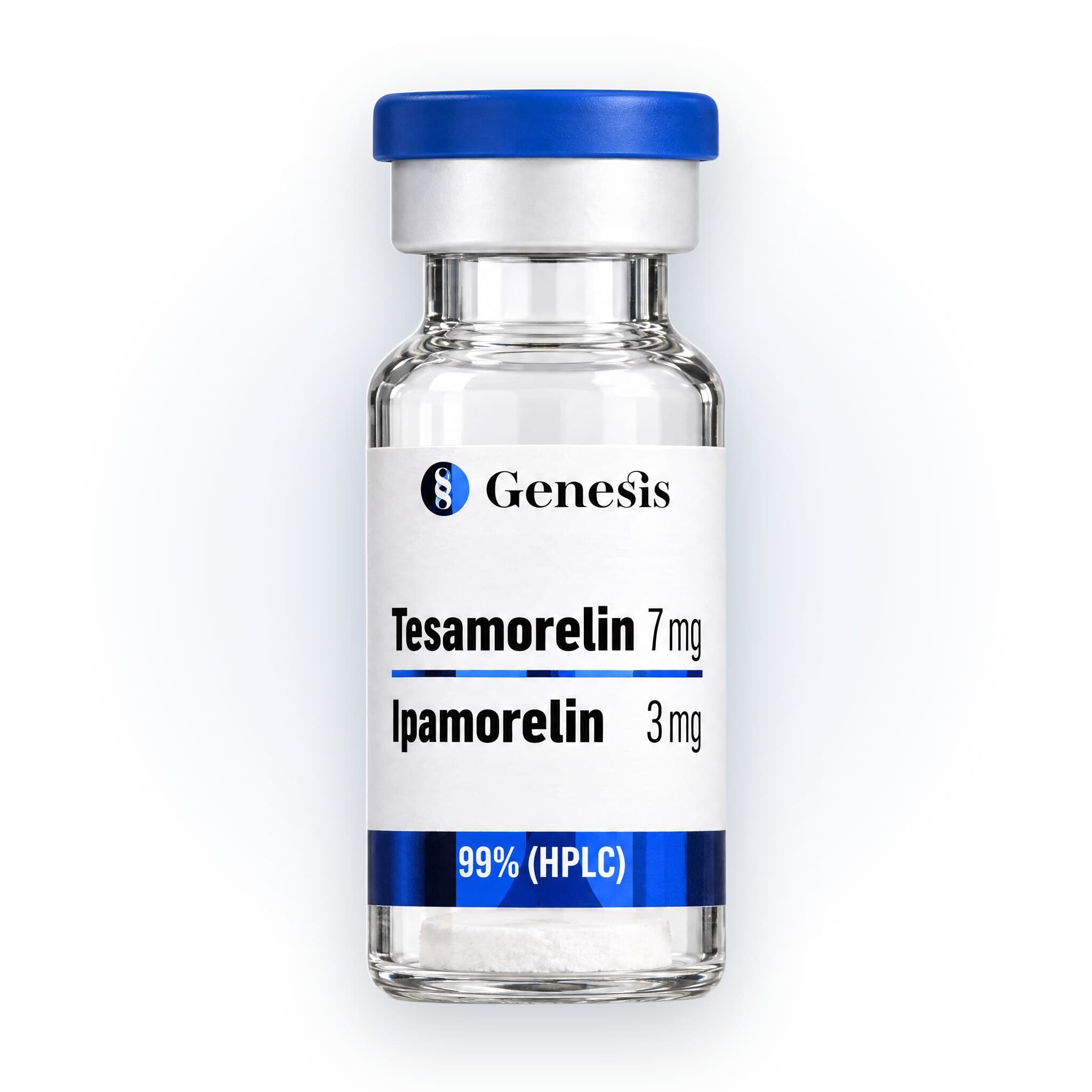
Tesamorelin + Ipamorelin

Tesamorelin + Ipamorelin

7mg+3mg

5/5 TESTS PASSED99%+ HPLC
Blend
$120.00
1
View COA
CJC1295 (No DAC) + GHRP-2

CJC1295 (No DAC) + GHRP-2

5mg+5mg

5/5 TESTS PASSED99%+ HPLC
Blend
$70.00
1
View COA
Sermorelin + GHRP-6 + GHRP-2

Sermorelin + GHRP-6 + GHRP-2

2mg+2mg+2mg

5/5 TESTS PASSED99%+ HPLC
Blend
$40.00
1
View COA
Tesamorelin + CJC-1295 (No DAC)+ Ipamorelin

Tesamorelin + CJC-1295 (No DAC)+ Ipamorelin

6mg+3mg+3mg

5/5 TESTS PASSED99%+ HPLC
Blend
$150.00
1
View COA
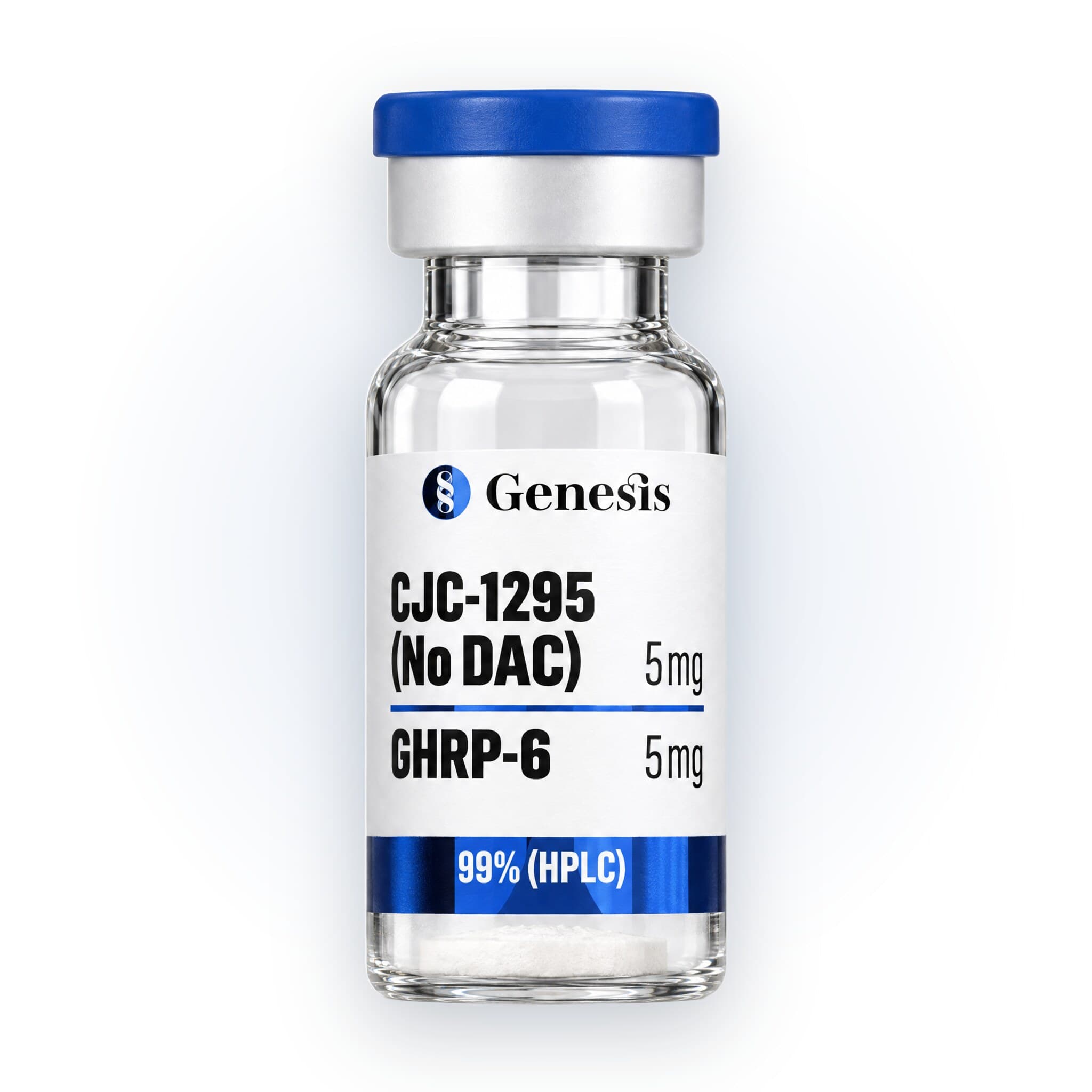
CJC1295 (No DAC) + GHRP-6

CJC1295 (No DAC) + GHRP-6

5mg+5mg

5/5 TESTS PASSED99%+ HPLC
Blend
$70.00
1
View COA
Survodutide

Survodutide

Research-grade compound with certificate of analysis. Full analytical testing on every lot.

5/5 TESTS PASSED99%+ HPLC
Single Size
$170.00
1
View COA
Pinealon

Pinealon

What is Pinealon Peptide? Pinealon is a synthetic, bioactive, tripeptide (Glu-Asp-Arg) derived from the pineal gland [3]. It is classified as a peptide bioregulator due to its unique ability to bypass typical cell-surface or cytoplasmic receptors [3]. Instead, evidence suggests that it’s exceptionally small structure enables the molecule to cross both cellular and nuclear membranes [3]. Lab studies find that Pinealon can enter the cell nucleus, where it is thought to interact with DNA or DNA-associated proteins [3]. This ability to reach the genome provides a potential explanation for its wide-ranging effects, which align better with gene-expression changes rather than modulating traditional signalling pathways [3]. Inside the nucleus, Pinealon seems to modulate genes involved in antioxidant defenses, cell repair, and protection from cellular stress [1]. Animal model research reveals reductions in reactive oxygen species and apoptosis, and increased activity of endogenous antioxidant enzymes [4]. It appears to reduce the activity of caspase-3, an enzyme involved in programmed cell death, across several tissue types, suggesting a potential role in supporting cell survival under stressful conditions [4]. Pinelon may impact pathways related to healthy cell cycling and interact with the pineal gland to influence its function and regulate circadian rhythm [5]. Pinealon peptide benefits Its unique mechanism, which bypasses conventional cell-surface receptors, has led to growing interest in its potential roles in neuroprotection, metabolism, stress resilience, and cognitive support. Learning and Memory Through directly interacting with DNA to influence gene expression involved in neural function, Pinealon may support learning and memory. Studies suggest it can reduce oxidative stress in brain tissue, preserve neuronal viability, and modulate pathways related to information retention. In a study of prenatal rats exposed to high levels of homocysteine, maternal administration of Pinealon improved offspring cognitive function, enhancing performance in spatial orientation and navigation tasks while reducing reactive oxygen species and neuronal necrosis in the cerebellum [6]. Another found Pinealon was able to produce improvements in the Morris labyrinth task, showing faster acquisition of navigation tasks compared to untreated controls and those treated with a comparator peptide [7]. Improvements were also accompanied by reductions in caspase-3 activity in brain regions, suggesting that this peptide supports neuronal survival and resilience under hypoxic stress [4]. In a review, authors highlight findings to suggest that Pinealon enhances learning indices, decreases age- and stress-related neuronal apoptosis, and improves overall memory performance in animal models. It is thought these benefits are related to Pinealon’s ability to penetrate the nucleus and modulate gene expression, upregulating protective pathways and antioxidant systems while stabilizing cell-cycle and cell-death processes [8]. Neuroprotection Studies have found that Pinealon may help protect neurons through multiple and complementary mechanisms, primarily demonstrated in preclinical models. One major pathway involves reducing oxidative stress, a key contributor to neuronal injury and neurodegeneration. In cell studies, Pinealon was found to decrease ROS accumulation, reduce necrotic cell death, and modulate ERK1/2 activation, a signalling pathway involved in cell survival and stress response [1]. These findings suggest Pinealon may help maintain neuronal integrity under conditions of metabolic or oxidative stress, through direct genomic interactions that influence cell-cycle regulation [1]. Experimental hypoxia models further demonstrate neuroprotective effects. In hypobaric hypoxia and aged rat studies, Pinealon was able to increase neuronal resistance to oxygen deprivation, potentially by stimulating superoxide dismutase and glutathione peroxidase, and by limiting NMDA receptor-mediated excitotoxicity [7]. Pinealon was also found to normalize pro-inflammatory cytokines such as IL-6 and TNF‑α, indicating a dual role reducing programmed cell death and neuroinflammation [4]. At a molecular level, Pinealon is thought to modulate gene expression pathways associated with neurodegeneration [8]. Evidence suggests it can interact with histones and RNA, influencing pathways such as MAPK/ERK, as well as pro-apoptotic proteins and antioxidant genes [8]. This makes it a candidate for further study in neurodegenerative conditions. Antioxidant and Anti-aging Pinealon shows promise as an antioxidant and cellular longevity support. It supports brain cell viability by reducing reactive oxygen species (ROS) and limiting cell death, while also influencing cell survival pathways like ERK1/2 [1]. It also shows benefits for strengthening cell membranes and preventing lipid peroxidation, helping support the brain’s resistance to oxidative stress [8]. Pinealon has been shown to modulate the activity of antioxidant enzymes, including SOD and GPx, and support antioxidant genes like SOD2 and GPX1 [8]. In aging and low-oxygen models, it protects neurons by reducing excitotoxicity, lowering caspase‑3 activity, and normalizing inflammatory signals, which supports cell survival and new neuron growth [4]. In human neurons from older donors, it also reduces DNA damage and helps maintain dendritic structures [9]. Overall, Pinealon combines antioxidant, anti-aging, and anti-inflammatory effects, though human studies are still limited.

5/5 TESTS PASSED99%+ HPLC
Single Size
$90.00
1
View COA
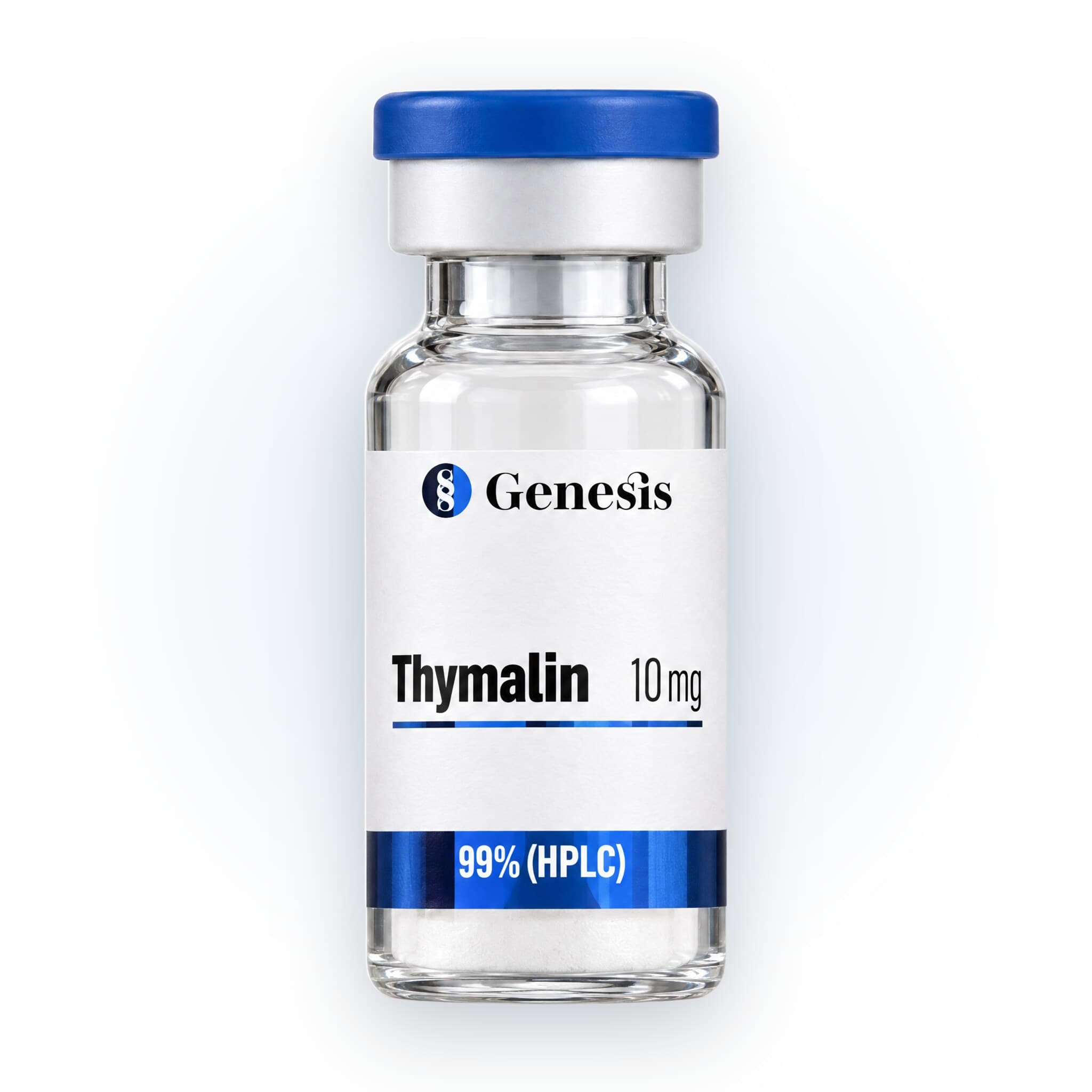
Thymalin

Thymalin

Research-grade compound with certificate of analysis. Full analytical testing on every lot.

5/5 TESTS PASSED99%+ HPLC
$60.00$6.00/mg
1
View COA
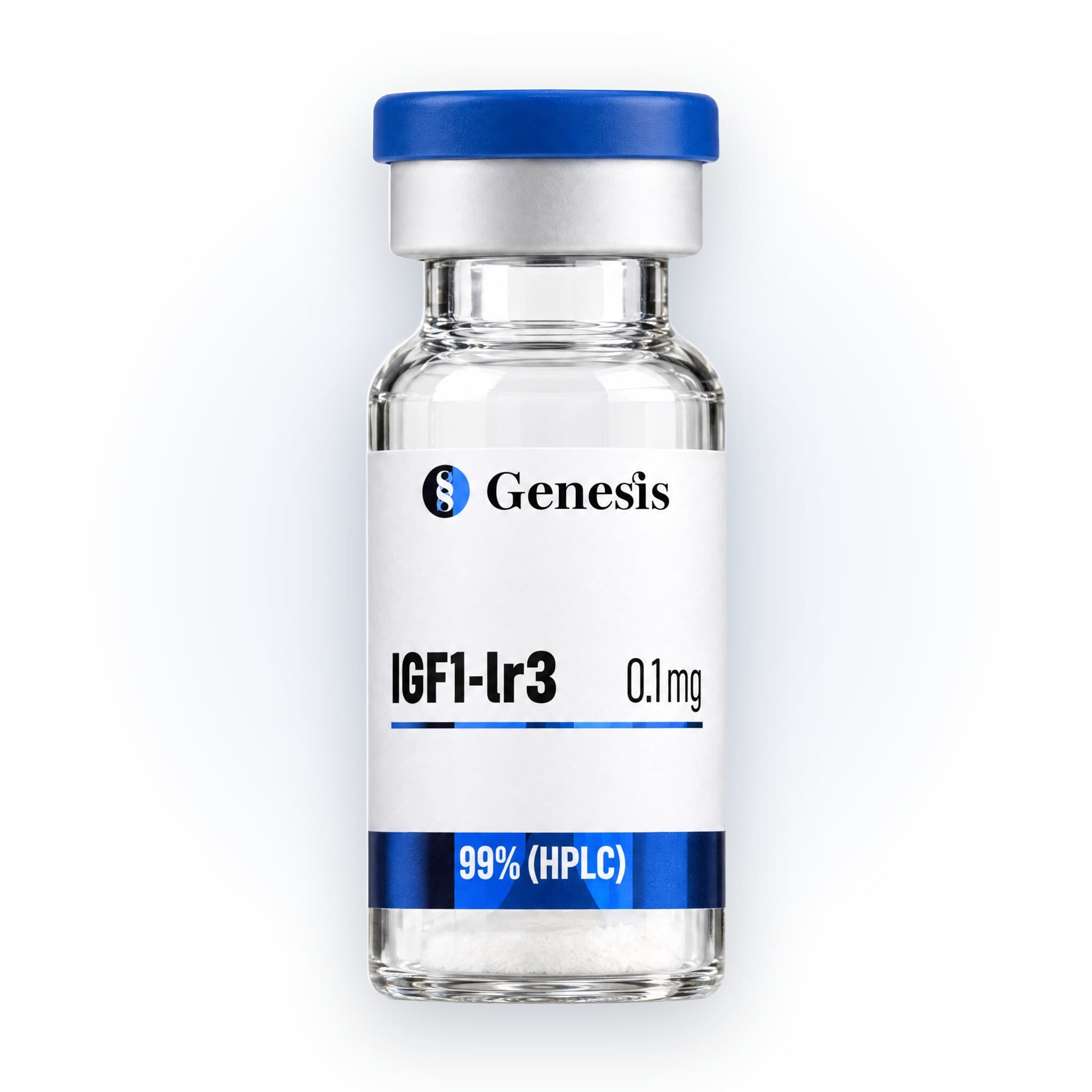
IGF1-Lr3

IGF1-Lr3

What is LGF-LR3 peptide? Insulin-like Growth Factor 1 Long Arg3 (IGF-1 LR3) is a synthetic analog of human IGF-1, a naturally occurring peptide hormone that plays a critical role in growth, repair, and metabolic regulation. Structurally, IGF-1 LR3 consists of 83 amino acids, whereas native IGF-1 has 70 amino acids. IGF-1 LR3 has two additional key modifications: the substitution of arginine for glutamic acid at position 3, and the addition of a 13–amino acid extension at the N-terminus [1]. LGF These alterations significantly extend its half-life and reduce its binding affinity to IGF-binding proteins, enhancing its biological availability in circulation. LGF-LR3 benefits Anabolic benefits By activating IGF-1 receptors, LGF-LR3 can initiate various intracellular signaling pathways, including PI3K/Akt/mTOR and MAPK/ERK, which are central to [2, 3]: Cell proliferation Differentiation Protein synthesis, including in skeletal muscles   IGF-1 stimulates satellite cell activation and differentiation, key processes for muscle hypertrophy and repair following injury or intensive exercise [4]. However, these effects have yet to be studied in LGF-LR3 specifically. LGF-LR3 enhances amino acid uptake, which can theoretically increase protein synthesis, and promotes the fusion of myoblasts into mature muscle fibers, contributing to muscle growth. An animal study examined whether infusion of IGF-1 LR3 could improve growth and metabolic parameters in fetuses affected by placental insufficiency and fetal growth restriction (FGR) [5]. Fourteen fetal sheep were divided into two groups: one receiving IGF-1 LR3 infusion (1.17  μg/kg·h) and a control group receiving only the vehicle over one week. Glucose-stimulated insulin secretion (GSIS) tests were performed at the end of the treatment period to assess β-cell function. Results showed: No significant difference in body weight between IGF-1 LR3-treated and control fetuses after one week of treatment. Baseline and post-treatment plasma insulin, glucose, and GSIS remained unchanged. IGF-1 LR3 treatment led to a significant decrease in circulating amino acid concentrations (p = 0.02). IGF-1 LR3 did not enhance fetal growth or insulin dynamics in growth-restricted fetuses under these experimental conditions. The observed decline in amino acid levels suggested possible increased tissue uptake or utilization, suggesting higher metabolic demand without adequate substrate availability. Supplemental amino acids, glucose, or oxygenation may be necessary to optimize IGF-1-mediated growth responses in FGR scenarios. Brain health and cognition IGF-1 LR3 has drawn increasing interest for its neuroprotective and cognitive-enhancing potential, reflecting the broader role of IGF signaling in the central nervous system (CNS). Endogenous IGF-1 is widely expressed in both neurons and glial cells [6]. A study in 5XFAD mice (a transgenic model that rapidly develops amyloid-β (Aβ) pathology of Alzheimer’s disease) evaluated whether intranasal LR3-IGF-1 could mitigate cognitive decline and reduce AD-related pathology [7]. Wild-type and 5XFAD mice were treated intranasally with LR3-IGF-1 or vehicle solution from 3 to 10 months of age. Results showed that LR3-IGF-1 treatment: Did not significantly improve cognitive performance in 5XFAD mice despite long-term treatment. Altered Aβ plaque morphology by reducing filamentous (toxic) plaques and increasing inert, less harmful forms. Enhanced Aβ1–42 uptake by microglia and upregulated genes related to actin remodeling and endocytosis, indicating improved microglial clearance function. Improved body composition, suggesting systemic anabolic activity. Although LR3-IGF-1 did not prevent cognitive decline, it produced measurable benefits in amyloid plaque remodeling and microglial function, implying a partial neuroprotective effect at the cellular level. While human data remain limited, these findings point to IGF-1 LR3 as a promising anti-aging agent for the brain. Energy metabolism and glucose regulation IGF-1 LR3 plays a pivotal role in energy balance and glucose metabolism, closely mirroring the physiological actions of insulin. An animal study explored how short-term exposure to IGF-1 LR3 affects insulin secretion dynamics [8]. Ten fetal sheep were infused intravenously for 90 minutes with either IGF-1 LR3 (n = 5) or vehicle control (n = 5). Results showed that: Plasma insulin levels dropped approximately 66% during IGF-1 LR3 infusion (p < 0.0001). Isolated islets from IGF-1 LR3-treated fetuses displayed normal insulin release when exposed to glucose or potassium chloride, indicating recovery of β-cell function. Acute IGF-1 LR3 infusion transiently suppressed insulin secretion in vivo, without damaging β-cells. This suggests that the inhibitory effects are reversible and may have therapeutic use for intrauterine growth restriction (IUGR) or metabolic modulation during development.

5/5 TESTS PASSED99%+ HPLC
$15.00$150.00/mg
1
View COA
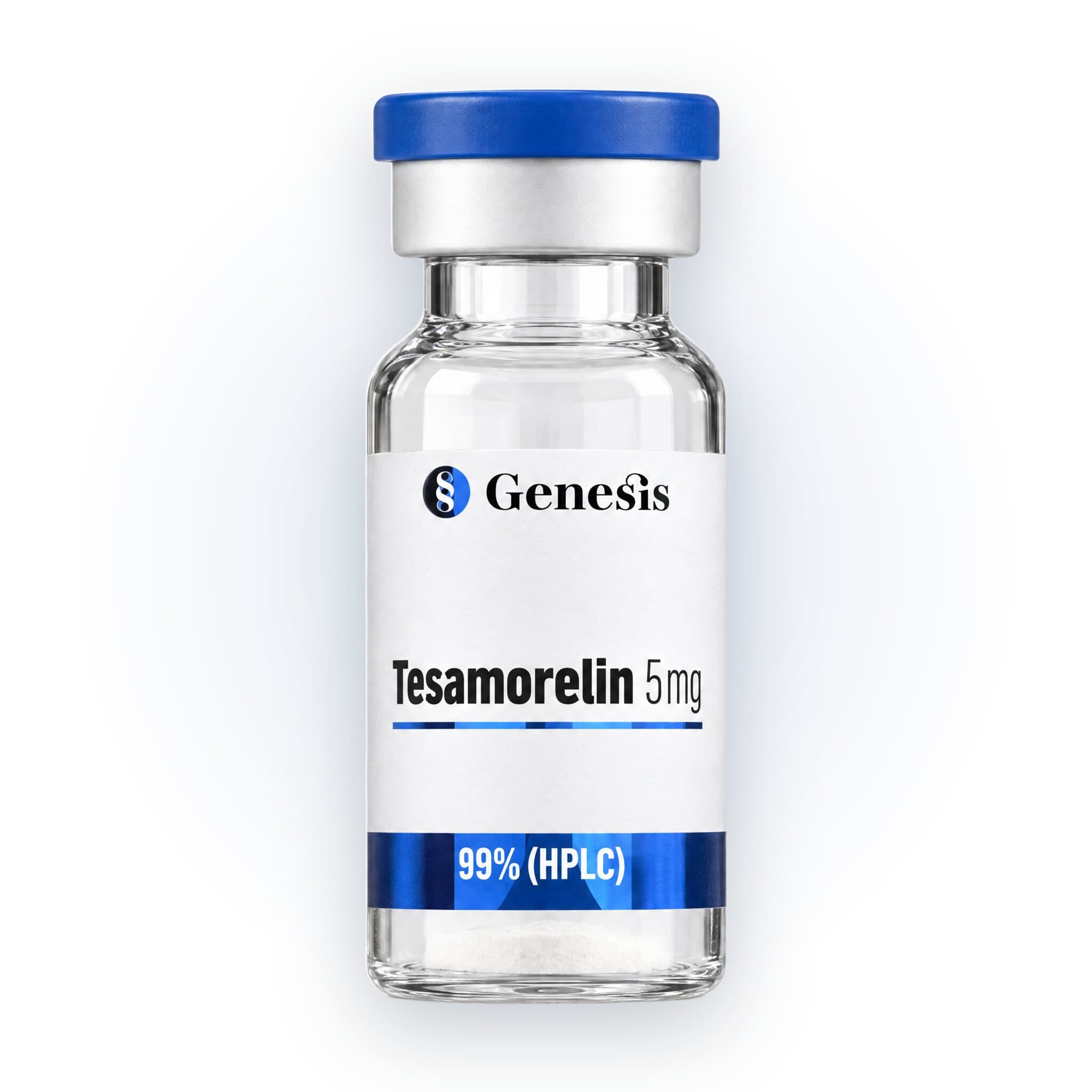
Tesamorelin

Tesamorelin

What Is Tesamorelin and How Does It Work? Tesamorelin is a synthetic 44-amino acid analogue of growth hormone-releasing hormone (GHRH), with a longer duration of action in the body. It stimulates the pituitary to release growth hormone, increasing insulin-like growth factor-1 (IGF-1) production. Elevated IGF-1 supports fat breakdown, glucose metabolism, and cell survival [1]. Tesamorelin Research Originally approved to treat HIV-associated lipodystrophy, tesamorelin has been shown to significantly reduce visceral adipose tissue [1]. Emerging research is now exploring its broader therapeutic potential, including liver health, cardiometabolic risk, and neurological health. Reducing Visceral Fat Clinical trials consistently show that tesamorelin reduces visceral adipose tissue (VAT) in people with HIV and central adiposity. Across studies, about 70% of participants were considered “responders,” achieving at least an 8% VAT reduction within 26 weeks [2], [3]. Importantly, the benefits extended beyond fat volume: tesamorelin also improved fat quality, with significant increases in VAT density compared to placebo [2]. This shift suggests a move toward smaller, healthier adipocytes and a more favorable metabolic profile [2]. These effects were observed regardless of baseline fat levels. In a large phase III trial of 806 participants, most experienced meaningful VAT reductions [3]. A separate trial of 412 subjects found that tesamorelin produced a selective 1-kg reduction in visceral fat over six months, with little effect on subcutaneous or limb fat [4]. Participants also reported less distress about abdominal size [4]. Overall, tesamorelin demonstrates clinically significant, treatment-dependent benefits for both VAT quantity and quality, although gains tend to diminish after discontinuation [5]. Liver Health Benefits Tesamorelin has shown consistent liver-related benefits, particularly in people with HIV. In one study, higher baseline VAT was associated with elevated liver enzymes (AST and ALT) [3]. Participants who responded to tesamorelin with significant VAT reduction also demonstrated improvements in AST and ALT. These hepatic benefits persisted even after treatment discontinuation despite partial VAT regain [3]. Randomized controlled trials corroborate this. In HIV-associated fatty liver disease, tesamorelin reduced liver fat and prevented fibrosis progression over 12 months [6]. Liver biopsies revealed upregulation of oxidative phosphorylation pathways, enhanced mitochondrial function, and downregulation of genes tied to inflammation, tissue repair, and cell proliferation—all processes linked to fibrosis and liver injury [6]. Importantly, tesamorelin also shifted gene expression toward patterns associated with a more favorable liver cancer prognosis [6]. A 12-month double-blind trial confirmed these findings, showing a 4.1% absolute and 37% relative reduction in hepatic fat fraction. By the study's end, 35% of the tesamorelin-treated participants achieved liver fat <5%, compared with only 4% of placebo participants [7]. Cardiometabolic Health and Muscle Mass In people with HIV and antiretroviral therapy-associated lipodystrophy, tesamorelin also improved lipid profiles, improving triglycerides and cholesterol ratios without impairing glucose tolerance [4]. Similar effects were seen in abdominally obese adults with reduced growth hormone (GH) secretion, where 12 months of therapy reduced VAT by 35 cm² while preserving subcutaneous fat [8]. This was accompanied by reductions in triglycerides, C-reactive protein, and carotid intima-media thickness, indicating improvements in systemic inflammation and cardiovascular risk. IGF-1 levels rose significantly, confirming GH pathway activation, while glucose measures remained stable [8]. In type 2 diabetes, tesamorelin modestly improved lipid levels without impairing insulin sensitivity [9]. Additional findings suggest enhanced mitochondrial and muscle function, with improved phosphocreatine recovery after exercise [10]. Pooled phase III trial analyses confirm durable VAT reductions, lipid improvements, and better body image ratings [11]. Furthermore, reductions in excess visceral fat were linked to lower predicted 10-year atherosclerotic cardiovascular disease (ASCVD) risk, largely mediated by cholesterol improvements [12]. Neurological Health The natural age-related decline of GHRH, GH, and IGF-1 may contribute to age-related cognitive changes. This explains why tesamorelin also improves brain health. Aside from improving neurological health through metabolic changes and immunomodulation, tesamorelin also positively affects neurotransmitter balance. In antiretroviral therapy-treated HIV patients, abdominal obesity was linked to neurocognitive impairment. In a six-month trial, tesamorelin-treated participants achieved a significant waist circumference reduction and improvement in cognition [13]. In older adults and those with mild cognitive impairment (MCI), 20 weeks of tesamorelin treatment improved cognition and neurochemistry. The cognitive improvements corresponded with higher brain GABA (gamma-aminobutyric acid), increased N-acetyl-aspartyl-glutamate in the frontal cortex, and reduced myo-inositol in the posterior cingulate cortex [14]. In another trial enrolling 152 adults, 20 weeks of tesamorelin improved executive function and verbal memory, and was associated with a 117% IGF-1 increase, reduced body fat, and mild adverse events [15]. Other studies suggest GHRH and growth hormone-based therapies may promote peripheral nerve regeneration by supporting axonal growth, limiting muscle atrophy, and enhancing repair processes [16].

5/5 TESTS PASSED99%+ HPLC
$35.00$17.50/mg
1
View COA
PEG-MGF

PEG-MGF

Research-grade compound with certificate of analysis. Full analytical testing on every lot.

5/5 TESTS PASSED99%+ HPLC
$47.00$23.50/mg
1
View COA
GHRP-6 + Hgh Frag

GHRP-6 + Hgh Frag

Research-grade compound with certificate of analysis. Full analytical testing on every lot.

5/5 TESTS PASSED99%+ HPLC
Blend
$68.00$6.80/mg
1
View COA
Cagrilintide

Cagrilintide

Research-grade compound with certificate of analysis. Full analytical testing on every lot.

5/5 TESTS PASSED99%+ HPLC
$80.00$16.00/mg
1
View COA
Liraglutide

Liraglutide

What is Liraglutide? Liraglutide (Victoza/Saxenda) is a synthetic analogue of glucagon-like peptide-1 (GLP-1), a hormone involved in appetite regulation, glucose balance, and metabolic signaling [1]. As a modified form of native GLP-1, liraglutide is engineered to resist rapid enzymatic breakdown, allowing it to remain active in the bloodstream far longer than the naturally occurring peptide. This extended activity enables more sustained engagement of GLP-1 receptors, which are found throughout the: Gastrointestinal tract Pancreas Brainstem Peripheral tissues GLP-1 plays a central role in coordinating how the body manages satiety cues, blood-glucose excursions, and nutrient utilization. Liraglutide mechanism of action and benefits Weight loss Liraglutide’s influence on weight regulation stems from its ability to activate GLP-1 receptors involved in: Central satiety signaling of the hypothalamus and brainstem Delayed gastric emptying leading to meal satisfaction Nutrient partitioning A systematic review analyzed the efficacy and safety of liraglutide for weight loss in non-diabetic obese or overweight adults, by synthesizing outcomes from 11 RCTs and 1,328 total participants [2]. The average age of participants was 44.5 years, and the population skewed female (~ 79%). Liraglutide administration resulted in: Significantly greater weight loss versus control (–4.59 kg) Significant reduction in waist circumference (–3.22 cm) Significant improvement in BMI (–1.71 kg/m²) No significant reduction in HbA1c (–0.43%, p > 0.05) The pooled evidence shows that Liraglutide is effective in promoting clinically meaningful weight loss in non-diabetic overweight and obese adults. Metabolic and Cardiovascular Liraglutide’s extended engagement of GLP-1 receptors influences several pathways tied to metabolic efficiency and cardiovascular balance. An RCT evaluated whether liraglutide 1.8 mg/day over 26 weeks improves diabetic cardiomyopathy in 49 type 2 diabetes (DM2) patients without known cardiovascular disease [3]. At the end of the intervention, Liraglutide showed: Significant improvements in diastolic function (reduction in left ventricle (LV) filling pressures) Significant improvements in systolic function - 9mL reduction in stroke volume - 3% reduction in ejection fraction Liraglutide reduced early LV diastolic filling and LV filling pressures, effectively unloading the left ventricle in patients with type 2 diabetes without cardiovascular disease. Although small reductions in stroke volume and ejection fraction occurred, they remained within normal limits. Bone and Joint Health Although best known for its effects on appetite and metabolic regulation, liraglutide has also been studied for its influence on pathways relevant to bone and joint health. GLP-1 receptors are present not only in metabolic tissues but also on osteoblasts, osteoclasts, and chondrocytes, suggesting a broader role in skeletal homeostasis. A meta-analysis evaluated 17 animal studies to  determine whether liraglutide improves bone pathology in animal models of osteoporosis [4]. Results showed that Liraglutide: Partially improved bone pathology by enhancing density and maximum mechanical load Significantly improved bone turnover markers (p < 0.05) Increased bone formation (Osteocalcin and P1NP levels) Decreased bone resorption (CTX-I levels) Liraglutide seems to improves osteopenia by: Enhancing osteoblast activity via Wnt signaling and p-AMPK/PGC-1α pathway Suppressing osteoclast activity by inhibiting OPG/RANKL/RANK pathway These findings support liraglutide as a potentially valuable therapy for osteoporosis in diabetic patients, although higher-quality human studies are needed. Other Health Benefits Liver Health Liraglutide has also been shown to improve liver markers in mice models of non-alcoholic fatty liver. Significant reductions were noted in triglyceride content, fasting blood glucose, and LDL [5]. Microbiome By extension of Liraglutide’s gastrointestinal effects, there has been evidence of gut microbiome modulation. Liraglutide increases levels of eubacteria like Bacteroidales and Akkermansia while reducing harmful bacteria like Bacteroides and Lachnospiraceae [5]. Neurocognitive GLP-1 receptors are expressed in several brain regions involved in reward, mood regulation, and cognitive processing. Liraglutide’s protection of brain insulin receptors has been associated with reversal of cognitive impairment and memory loss in mice [6]. These emerging lines of research reflect liraglutide’s broader physiologic relevance, positioning it as a valuable tool for understanding how GLP-1 agonists influence interconnected systems across the body.

5/5 TESTS PASSED99%+ HPLC
Single Size
$40.00
1
View COA
P21

P21

What is P21 peptide? P21 is a synthetic peptide designed as a mimetic of ciliary neurotrophic factor (CNTF), a neurotrophin involved in neuronal survival, synaptic maintenance, and central repair pathways. While native CNTF is a large protein with limited permeability and complex receptor interactions, P21 distills CNTF’s key functional domains into a short, bioactive sequence engineered for stability and targeted signaling [1]. One of the biggest advantages of P21 is its ability to cross the blood–brain barrier (BBB). Its small molecular size allows it to access central nervous system tissues more efficiently than full-length neurotrophic proteins [2]. This distinguishes P21 from broader neurotrophic blends such as cerebrolysin, which rely on multi-peptide mixtures and indirect peripheral effects [3]. Cerebrolysin contains fragments derived from porcine brain proteins and act through diffuse signaling. P21, in contrast, is a receptor-specific mimetic designed to emulate a single neurotrophin’s core actions. P21 Peptide Benefits Neurogenesis and Synaptic Plasticity P21’s ability to activate CNTF-related neurotrophic pathways can help support neuronal growth, differentiation, and long-term structural adaptability. A core feature of P21’s activity is promoting neurogenesis, especially within brain regions where adult neural stem cells remain active [4]. P21 also interacts with pathways involved in synaptic plasticity, the process by which neurons strengthen, weaken, or remodel their connections in response to new information [2]. Because P21 is small enough to cross the blood–brain barrier, these effects occur in a more targeted and timely fashion. Alzheimer's Disease P21 has attracted scientific interest for its potential relevance to pathways implicated in Alzheimer’s disease. P21’s interaction with STAT3 and other CNTF-responsive intracellular cascades may help reinforce processes that protect neurons from [5]: Oxidative strain Impaired energy metabolism Synaptic deterioration all hallmarks frequently in Alzheimer’s models. Another area of interest is P21’s potential influence on amyloid- and tau-associated stress responses. An in vivo study in a 3xTg-AD transgenic mouse model of Alzheimer’s disease evaluated effects of 12 months of chronic oral P21. Female 3xTg-AD mice and wild-type controls were given P21 in their diet for 12 months, starting at 9-10 months of age when AD symptoms developed [6]. P21 diets resulted in: Significantly decreased accumulation of abnormal hyperphosphorylated tau Significant reduction in soluble Aβ levels and plaque load Elevated brain-derived neurotrophic factor (BDNF) and decreased GSK3β activity Restored cognitive performance and neurogenesis These findings support P21 as a promising neurotrophic peptide mimetic with therapeutic potential to shift Alzheimer’s disease pathology from neurodegeneration toward regeneration. Developmental disorders P21 has also generated interest in research exploring neurodevelopmental pathways, because CNTF signaling plays a role in neuronal differentiation, axonal guidance, and early circuit formation [7]. During development, CNTF influences how neural progenitors mature into functional neurons and how connections between brain regions are refined. A combined in vitro/in vivo study evaluated the therapeutic potential of P21 in a mouse model of CDKL5 deficiency disorder (CDD) [8]. CDD is an X-linked disorder that results in seizures, developmental and intellectual delays, and usually requires lifelong care. P21 administration resulted in: Successful rescue of multiple CDKL5-related cellular deficits in neurons: Restored proliferation Normalized cell survival Improved neuronal maturation Corrected abnormalities in GSK3β signaling There were limited effects in vivo, as P21 resulted in minimal behavioral improvement. This could be due to differences in bioavailability, timing, or developmental windows between in vitro and in vivo systems. P21 is not just limited to rare neurodevelopmental disorders. Prenatal to early postnatal treatment with the CNTF-derived peptide mimetic P021 was tested in Ts65Dn mice, a Down syndrome model that also develops Alzheimer’s-like memory deficits [9]. Early P021 intervention rescued developmental delays in pups and restored hippocampus-dependent memory in adulthood. The treatment: Prevented presynaptic protein loss Reduced GSK3β activity Increased neuroplasticity markers including BDNF and phosphorylated CREB in both young (3 weeks) and adult mice These results demonstrate that enhancing neurotrophic support during critical periods of early brain development can prevent lifelong cognitive impairment and Alzheimer’s-like pathology associated with trisomy 21.

5/5 TESTS PASSED99%+ HPLC
Single Size
$110.00
1
View COA
Semax

Semax

What is Semax and what is it used for? Semax is a synthetic peptide derived from the adrenocorticotropic hormone (ACTH) fragment Met-Glu-His-Phe-Pro-Gly-Pro (MEHFPGP) [1]. It was originally developed in Russia in the 1980s as part of a government initiative to create neuroprotective agents with both cognitive-enhancing and therapeutic potential [1]. Unlike the parent ACTH peptide, Semax does not exhibit hormonal activity, which reduces concerns about systemic endocrine effects while preserving its neuromodulatory properties [1]. Research has focused on Semax primarily as a nootropic and neuroprotective compound. It has been investigated in both preclinical and clinical contexts for conditions such as: Cerebrovascular disease Ischemic stroke Cognitive impairment Neuropathic disorders Because of its stability and ability to cross the blood-brain barrier, Semax has drawn attention as a candidate for regulating processes tied to neuroinflammation, oxidative stress, and neurotransmitter balance. Semax benefits Neuroprotection and cognitive enhancement One of the most widely studied effects of Semax is its role in neuroprotection and cognitive function. Preclinical studies have demonstrated that Semax influences neurotrophic factors, particularly brain-derived neurotrophic factor (BDNF), which is essential for [2]: Synaptic plasticity Memory consolidation Neuronal survival In an animal study with six Wistar rats, a single intranasal spray of Semax at 50 μg/kg resulted in a 1.4 fold increase of BDNF protein levels in the hippocampus, a memory forming area of the brain. Rats were subsequently able to learn significantly more conditioned avoidance reactions (p < 0.05) [3]. An animal study of ~70 rats investigated whether Semax could counteract the negative effects of acute restraint stress on cognitive function and anxiety-related behavior. Semax was administered intraperitoneally at 0.1 mg/kg 30 minutes prior to stress exposure (electric bell sounds) [4]. Pretreatment with Semax significantly prevented stress-induced deficits in reaction time and latency, maintaining performance similar to controls (p < 0.01). Semax exposure also significantly decreased anxiety-like behavior (p < 0.04). These effects appear to result from enhanced synaptic signaling and reduced neuronal apoptosis in regions such as the hippocampus. In a randomized controlled trial, 110 patients who recently suffered from ischemic stroke received 6 mg of Semax twice daily for 10 days. Semax significantly increased plasma BDNF levels and was highly correlated with early rehabilitation and faster improvement of motor outcomes [5]. Stress resilience and mood regulation Overactive stress responses can induce pathogenic immune changes, which contribute to the mechanisms of diseases that may be exacerbated by stress, such as cardiovascular disease, digestive disorders, autoimmune diseases, and skin conditions. Semax has been studied for its ability to modulate stress responses and mood-related pathways. Semax helps balance monoamine neurotransmitters, dopamine, and serotonin, which play central roles in emotional regulation and resilience to psychological stress [6]. By stabilizing these systems, Semax may mitigate the negative cognitive and behavioral consequences of chronic stress. A rat study investigated the immunomodulatory effects of Semax during chronic social stress. After 20 days of social stress (sensory contact and daily intermale confrontations), rats were treated intranasally with Semax (150 μg/kg/day) [7]. After Semax administration, investigators observed: Normalized immune hyperactivity: Delayed type hypersensitivity reactions (DTH) decreased by 30–40%, with antibody titers reduced by 30–60%. Restored phagocytic balance: Phagocytic index returned closer to baseline (p<0.001). Recovered leukocyte counts: Total leukocytes increased by 30–50% compared to stressed animals. Improved immune organ health: Thymus and spleen weights increased by 40–100% compared to stressed animals (p<0.01 to p<0.001). Semax demonstrated immunocorrective and immunomodulatory properties in this rat model by restoring both cellular and humoral immune responses. The findings suggest that Semax may be useful for counteracting stress-induced immune imbalance. Antioxidant and antiinflammatory benefits Semax also exerts antioxidant and anti-inflammatory effects. Studies in PC12 cells and in rats suggest that semax may reduce markers of oxidative damage, including lipid peroxidation products, while enhancing the activity of endogenous antioxidant enzymes such as superoxide dismutase and catalase [8, 9]. These findings suggest that the peptide helps maintain redox balance during cellular stress and injuries. Semax also modulates cytokine activity, reducing the release of pro-inflammatory mediators like TNF-α and IL-6 [10]. These actions not only limit secondary damage in ischemic injury but also contribute to preserving neuronal integrity under chronic inflammatory conditions. Taken together, the antioxidant and anti-inflammatory properties of Semax highlight its potential relevance in research on cerebrovascular and neurodegenerative conditions.

5/5 TESTS PASSED99%+ HPLC
Single Size
$45.00
1
View COA
MGF IGF-Ec

MGF IGF-Ec

Research-grade compound with certificate of analysis. Full analytical testing on every lot.

5/5 TESTS PASSED99%+ HPLC
Single Size
$60.00
1
View COA
Melanotan 1

Melanotan 1

What is Melanotan I? Melanotan I, a synthetic analogue of α-MSH, acts as an agonist on melanocortin receptors, primarily MC1R [1]. This receptor plays an important role in normal skin pigmentation, found on the surface of skin pigment cells (melanocytes) [1]. Compared to Melanotan II, Melanotan I has a longer duration of action and is more resistant to enzymatic breakdown [2]. Because of its selectivity for MC1R, Melanotan I primarily influences skin pigmentation with minimal central nervous system penetration [2]. Melanotan I Effects & Benefits Tanning & Photoprotection Melanotan I stimulates tanning by binding to MC1R receptors in skin cells, increasing the production of eumelanin, the dark pigment that protects against UV damage [3]. This process enhances photoprotection. Conversely, those with mutations to this receptor produce more pheomelanin, tend to tan poorly, and have an increased risk for sunburn and skin cancer [4]. Melanotan I has been explored for photoprotection in those with these genetic conditions that heighten UV sensitivity [5]. Phase 1 studies have been conducted on Melanotan 1, in which participants received daily injections across 1-4 weeks and then exposed to limited UV-B or sunlight on specific parts of their skin [6]. Those who received the injections developed faster, darker tans than those exposed to light alone, which lasted three weeks longer and required less sun exposure to achieve. They also showed fewer sunburned skin cells, suggesting better skin protection. Neuroinflammation & Cognition Preliminary research has suggested that melanocortin activation may influence neuroprotective pathways in the brain through anti-inflammatory and neuroprotective actions. Animal studies show reductions in brain damage, improved recovery, and limited inflammation when given soon after a stroke [7]. A phase IIa clinical trial found that Melanotan I was safe and well-tolerated in patients who suffered strokes, with no serious side effects [7]. Most patients had improved brain scans and neurological recovery, suggesting a role in protecting brain tissue, stabilizing the blood-brain barrier, and supporting neuroplasticity even when administered up to 20 hours after stroke onset [7]. Blood Pressure & Vascular Health By mimicking the effects of α-MSH, Melanotan 1 may help support vascular health by improving endothelial function and nitric oxide production, which supports blood vessel relaxation [8]. Activation of MC1 receptors found on endothelial cells may enhance circulation, reduce stiffness, and protect against vascular dysfunction associated with metabolic stress [8]. However, current data is sparse. Unlike Melanotan II, it does not significantly activate central melanocortin receptors involved in autonomic control.

5/5 TESTS PASSED99%+ HPLC
Single Size
$50.00
1
View COA
Hexarelin

Hexarelin

Research-grade compound with certificate of analysis. Full analytical testing on every lot.

5/5 TESTS PASSED99%+ HPLC
Single Size
$40.00
1
View COA
GHRP-6

GHRP-6

Research-grade compound with certificate of analysis. Full analytical testing on every lot.

5/5 TESTS PASSED99%+ HPLC
Single Size
$45.00
1
View COA
GHRP-2

GHRP-2

Research-grade compound with certificate of analysis. Full analytical testing on every lot.

5/5 TESTS PASSED99%+ HPLC
Single Size
$45.00
1
View COA
GHK-Cu

GHK-Cu

What is GHK-Cu? Native GHK-Cu peptide is released from the extracellular matrix, cleaved from its parent protein, SPARC (secreted protein, acidic, and rich in cysteine), during extracellular matrix remodelling. Studies find it has vital roles in copper transport, tissue repair, inflammation modulation, and gene regulation [1]. A tripeptide, GHK-Cu is composed of glycine (Gly), histidine (His), and lysine (Lys) [1]. This amino acid complex binds tightly to copper, forming a stable coordination complex [2]. This binding capacity is what gives GHK-Cu its unique biological signalling and regenerative properties [2]. After performing its functions, GHK-Cu is degraded by serum peptidases. Studies show that circulating levels decrease with age, averaging 200 ng/mL at age twenty and declining to 80 ng/mL by age sixty, potentially impacting regenerative capacity [1]. Copper(II) is a redox-active metal required as a cofactor for many enzymes, including cytochrome C oxidase, lysyl oxidase, and superoxide dismutase [2]. GHK binds copper in a bioavailable, non-toxic form, supports shuttling it into cells, and maintains intracellular copper homeostasis [2]. GHK-Cu shows abilities to up- or downregulate over 4,000 genes. These pathways are many, and include those involved in tissue regeneration and repair, anti-inflammatory signalling, antioxidant defenses, and cell growth and differentiation [2]. While scientists are still elucidating some of GHK-Cu peptide’s mechanisms, current research suggests that they include augmenting transcription factors, epigenetic modification (particularly histone and chromatin) and oxidative stress signalling [2]. What does GHK-Cu do? The research Research is still emerging on the wide applications of GHK-Cu peptide; however, our current understanding of its actions point towards applications particularly in skin and hair, and regenerative processes. GHK-Cu and skin Research suggests that GHK-Cu peptide may have roles in reprogramming older tissues to act more youthful [2]. When skin gets injured, GHK-Cu is naturally released, acting as an emergency signal to activate skin healing processes [3]. A study using a test tube wound model found that GHK-Cu increases the production of collagen (which gives skin structure), elastin (which keeps skin elastic), and decorin and glycosaminoglycans (key molecules that hydrate and organize skin tissue) [4]. GHK-Cu also supports the balance of enzymes that break down skin proteins, MMPs, and their inhibitors, TIMPs [5],[6]. This prevents the buildup of damaged proteins, and overactive breakdown, which can lead to thinning and sagging skin [2]. One cell-based study found that skin cells exposed to GHK-Cu in combination with red LED light had 12.5x greater cell survival, 230% increase in fibroblast growth factor, and 70% higher collagen production [7]. At the stem cell level, GHK-Cu improved the health and shape of basal cells in the epidermis, increasing markers of stemness, which may help skin regenerate better with age [8]. GHK-Cu and hair GHK-Cu peptides show benefits for supporting hair growth, by [9]: Improving blood flow to hair follicles Preventing hair shedding and premature hair loss Stimulating the growth of new hair follicles Studies find that GHK-Cu can stimulate fibroblasts, a particular type of skin cell, to produce VEGF (vascular endothelial growth factor), which helps support the growth of new blood vessels surrounding the hair follicle [9]. More blood vessels allow for greater nutrient and oxygen delivery to the area, thus supporting stronger, faster growing hair [9]. It also reduces the production of TGF-beta, a chemical that signals to hair follicles to stop growing and enter the shedding phase of hair growth [9]. With less TGF-beta, hair remains in the growth phase for longer. By encouraging dermal papilla cells to multiply and protecting them from apoptosis, GHK-Cu supports the development and growth of new hair, by keeping follicles healthy [9]. Other regenerative processes While more research is needed, our understanding of GHK-Cu points towards potential applications of this peptide in wound healing and repair processes, promotion of antioxidant defenses, angiogenesis, gene modulation, and more [2].

5/5 TESTS PASSED99%+ HPLC
$49.00$0.98/mg
1
View COA
Adipotide

Adipotide

What is adipotide? Adipotide, also called Prohibitin-targeting peptide 1, is a 25-amino acid peptide designed to attach to a protein called prohibitin [1]. Prohibitin protein is multi-functional, with roles in cell growth and survival, and apoptosis. It is found in several cellular compartments, including the cell membrane [1]. Adipotide peptide has three main components [2]: A “fat-homing” section that helps find white fat tissue Two identical sections that trigger cell death A short connecter linking the two main compartments together It works mainly by targeting specific blood vessels that supply white fat tissue, cutting off fat cell oxygen and nutrient supply, and leading to apoptosis [1]. This approach is highly selective, sparing other tissues [1]. What does adipotide do? The research Adipotide and fat cell apoptosis Adipotide peptide kills fat cells indirectly, by attacking the blood vessels that keep fat tissue alive rather than killing the fat cells outright [2]. Adipotide has a homing sequence that specifically binds prohibitin and ANXA2 proteins, which are found on the surface of endothelial cells that line blood vessels supplying fat tissue [2]. This makes the peptide highly selective for fat tissue vasculature [3]. Once bound to prohibitin, the peptide is pulled into endothelial cells and disrupts mitochondria to cause cell death [4]. With the blood vessel destroyed, fat cells lose their supply of oxygen and nutrients [2]. This ischemic stress triggers a secondary apoptosis in the fat cells themselves, leading to resorption of white fat tissue [2]. In short, Adipotide kills the support system that fat cells rely on, causing them to die and be broken down by the body [2]. This process also seems to improve brain signals that reduce appetite and further enhance fat loss [3]. Adipotide and metabolic health Adipotide peptide acts to reduce white fat mass, impacting metabolic health by augmenting the processing and response to insulin [2]. When adipotide peptide destroys blood vessels that feed adipose tissue, the fat cells gradually die and are resorbed by the body [1]. This shrinking of fat tissue can impact the release of certain inflammatory and hormone-like molecules, called adipokines, which are linked to insulin resistance [2]. In animal studies, adipokine peptide lowered fasting insulin levels without changing blood sugar levels, suggesting that the body became more sensitive to insulin and did not need to overproduce it to control blood sugar levels [3]. Rodent studies also found that adipotide-induced fat loss did not trigger the typical drop in metabolic rate that often accompanies weight loss [3]. In some cases, energy expenditure even increased [3]. This means the body continues burning calories at the same or even slightly higher rate. This helped sustain weight loss and maintain metabolic improvements. By reducing fat mass, improving insulin sensitivity, and potentially maintaining or even boosting energy use, adipotide peptide directly addresses key metabolic problems associated with weight management [3]. How Adipotide acts on Blood Vessels Adipotide peptide acts on blood vessels via a two-part mechanism that is highly selective for those that supply white fat tissue [2]. The first part is a “homing” sequence of amino acids (CKGGRAKDC) that recognizes and binds to prohibitin, a protein located on the surface of cells that line blood vessels in white adipose tissue [2]. This targeting is very specific – prohibitin is especially accessible in the vasculature of white fat, making it a unique marker for those blood vessels [2]. Once bound to prohibitin, the peptide is taken inside endothelial cells [2]. Attached to the targeting sequence is a proapoptotic peptide (D[KLAKLAK]₂) that disrupts the cell's mitochondria (structures that produce energy) [2]. This mitochondrial damage activates apoptosis, or programmed cell death, in endothelial cells [2]. When enough endothelial cells in a vessel die, the blood vessel collapses and is destroyed [2]. Without such vascular supply, white fat tissue loses both oxygen and nutrient flow, causing a breakdown and resorption of fat [2].

5/5 TESTS PASSED99%+ HPLC
$40.00$8.00/mg
1
View COA
VIP

VIP

Research-grade compound with certificate of analysis. Full analytical testing on every lot.

5/5 TESTS PASSED99%+ HPLC
Single Size
$65.00
1
View COA
SS31

SS31

What is SS-31 peptide? SS-31 is a small, 4-amino acid, mitochondria-targeting peptide, found to have antioxidant and cell-protective effects [1]. Made up of alternating aromatic and basic amino acids, it contains a dimethyl tyrosine residue that neutralizes reactive oxygen species (ROS) and prevents lipid peroxidation [1]. Pharmacologically, SS-31 is water-soluble, stable, and resistant to enzymatic breakdown [1]. It can easily penetrate cell membranes due to its structure. It is distributed widely throughout the body, with the highest concentrations in the kidneys, and is completely excreted in urine [1]. Clinical studies show it is generally safe, with only mild side effects at the injection site, and no serious problems reported [1]. Once within cells, SS-31 rapidly accumulates in the inner mitochondrial membrane, up to 5,000 times more than in the surrounding cellular environment. Inside the mitochondria, it stabilizes cardiolipin, a critical phospholipid involved in the electron transport chain [1]. By doing so, SS-31 reduces electron leakage, preserves mitochondrial structure, and enhances ATP production [1]. Because cardiolipin damage has been implicated in various conditions such as neurodegeneration, heart failure, and mitochondrial myopathies, SS-31 has been studied as a novel therapeutic and promising candidate for conditions driven by mitochondrial dysfunction [2]. SS-31 benefits, mechanisms of action, and side effects SS-31 attaches to cardiolipin, a phospholipid found within the inner layer of the mitochondria that helps maintain structure and stability [3]. In doing so, it protects cardiolipin and supports the electron transport chain [4]. This allows SS-31 to improve ATP production and counteract the impacts of oxidative stress [4]. SS-31 also activates specific antioxidant pathways, upregulating specific proteins that help protect against oxidative stress and ferroptosis cell damage [2]. Clinical and pre clinical studies have demonstrated its protective activities in cardiac, neurological, renal, and skeletal muscle tissues [5, 6, 7, 8, 9]. In models of spinal cord injuries, it also has neuroprotective activities [10]. Mitochondrial function and apoptosis SS-31, through cardiolipin binding, preserves cristae architecture and supports efficient ATP production and electron transport [11]. As a strong antioxidant, it scavenges mitochondrial ROS to restore membrane potential and enhance the cell’s ATP generation [3]. Together, these mechanisms explain why SS-31 can maintain mitochondrial morphology, and prevent swelling and depolarization under stress conditions [12].  SS-31 upregulates SIRT1 expression, which suggests it may improve mitochondrial resilience and cellular metabolism through gene regulation [13]. Cardiolipin stabilization from SS-31 also prevents its peroxidation, reducing cytochrome C leakage and activation of apoptotic pathways [10]. SS-31 lowers caspase-3 activity, shifts specific pathways towards cell survival, and reduces DNA fragmentation to prevent apoptosis [14]. Heart health SS-31 protects and restores heart health, particularly in conditions associated with heart failure, hypertension, atherosclerosis, and decreased blood flow [15]. By binding and stabilizing within mitochondrial membranes, SS-31 lowers oxidative stress and improves energy production [16]. In models of aging hearts, it restores healthy diastolic function and lowers oxidative damage without interfering with systolic function [16]. SS-31 repairs age-related changes in important heart proteins, improving muscle relaxation and resilience [17]. In models of cardiomyopathy and heart failure, SS-31 prevents apoptosis, limits scarring and thickening of cardiac muscle, and improves overall energy efficiency [5]. This remains even when blood pressure remains high [18]. It also strengthens aerobic metabolism, helping the heart meet high energy demands [19]. Within the blood vessels, SS-31 lowers inflammation, stabilizes atherosclerotic plaques, and enhances ATP production [20]. In ischemia-reperfusion, SS-31 reduces tissue damage and speeds recovery [21]. Antioxidant and anti-inflammatory properties SS-31 can neutralize reactive oxygen species and provide protection for mitochondrial membranes [22]. By binding cardiolipin, SS-31 prevents cardiolipin peroxidation, which helps preserve mitochondrial integrity, limit cytochrome C leakage, and protect against mitochondrial dysfunction [23]. One study found SS-31 was able to prevent depletion of key antioxidant enzymes, including myeloperoxidase and superoxide dismutase, helping maintain redox balance [24]. By limiting oxidative damage, SS-31 can preserve mitochondrial energy output, limiting further ROS generation. SS-31 also has anti-inflammatory impacts, with research finding it can lower levels of TNF-α, IL-1β, and IL-6 in lung tissue. These cytokines are key mediators of inflammatory and fibrotic signaling [22]. Because high ROS amplifies profibrotic pathways, reducing ROS indirectly lowers inflammation and fibrosis. Through its impacts on myeloperoxidase, SS-31 reduces neutrophil-driven tissue injury and inflammation [22].

5/5 TESTS PASSED99%+ HPLC
Single Size
$85.00
1
View COA
PT 141

PT 141

PT-141 peptide benefits PT‑141, also known as bremelanotide, is a synthetic cyclic heptapeptide structurally derived from α‑melanocyte‑stimulating hormone (α‑MSH). It acts primarily as an agonist at melanocortin receptors MC3R and MC4R, in the central nervous system [1]. By doing so, it activates hypothalamic pathways, resulting in downstream signals that influence sexual arousal and associated neurobiologic responses. Mechanistic target of PT-141 PT‑141 exerts its effect through binding and activation of melanocortin receptors, especially within the hypothalamus. Evidence from animal studies indicates that systemic administration of PT‑141 induces penile erection and activates hypothalamic neurons, as shown by increased c‑Fos immunoreactivity [1]. By working on sexual arousal and desires in the brain, PT-141’s mechanism of action differs from phosphodiesterase‑5 (PDE-5) inhibitors, which cause peripheral vasodilation. Instead, PT‑141 stimulates arousal via central neurochemical cascades, including increased dopamine release in key brain regions governing sexual function. This also means combining PT-141 with PDE5 inhibitors can have additive effects. Also, PT-141 is more effective in females than PDE5. PT-141 and erectile dysfunction Male erectile function Across preclinical and clinical studies, PT-141 demonstrated the ability to increase sexual arousal in both men and women, with dose-dependent efficacy and an acceptable safety profile in the controlled research setting. A randomized, double-blind, placebo-controlled clinical trial was combined with preclinical animal studies to investigate the effects of PT-141 on sexual dysfunction [1]. Preclinical results suggests that PT-141: Activated MC3 and MC4 melanocortin receptors in the central nervous system. Produced sexual arousal behaviors in rodents without directly affecting the vascular system. The parallel clinical trial found that intranasal PT-141 up to 20 mg,  produced significant improvements in erectile function compared to placebo. The erectile response rates were dose-dependent, with higher doses achieving a significant increase in rigidity and duration of erection (p < 0.05). Adverse events were generally mild to moderate, with the most common being dose-dependent, transient nausea and flushing. Phase I data shows that subcutaneous doses of PT‑141 (10 mg, 20 mg) increased duration of base rigidity ≥ 80% in healthy males. Phase 2A results indicated significantly longer durations at the 20 mg dose, with common adverse events including flushing and nausea. Co-administration of PT‑141 (7.5 mg) plus sildenafil (25 mg) enhanced erectile response over sildenafil alone [2]. PT-141 and female libido Two identical Phase 3 RCTs enrolled a total of 2,449 premenopausal women with hypoactive sexual desire disorder (HSDD). 1,247 participants were included in the safety population, and 1,202 in the modified intent-to-treat efficacy analysis [3]. Participants were randomized 1:1 to receive either bremelanotide 1.75 mg or placebo administered subcutaneously on an as-needed basis over 24 weeks. Bremelanotide administration resulted in: Increases in Female Sexual Function Index (FSFI) desire domain scores versus placebo (p < 0.01) Reductions in Female Sexual Distress (FSDS-DAO) scores (p < 0.01) The most common adverse events (≥10% in both studies) were nausea, flushing, and headache. Most events were mild to moderate in severity. These findings support the potential of bremelanotide in modulating sexual desire in female populations. PT-141 safety and side effect profile Preclinical and clinical evidence indicate that PT‑141 (bremelanotide) is generally safe in research settings, with most adverse events being mild to moderate and transient. Adverse events The most frequently reported side effects include nausea, flushing, and headaches [4]. Cardiovascular effects PT-141 is associated with transient and mild cardiovascular effects, including: Blood pressure elevation ( ~3 mm Hg systolic and 2 mm Hg diastolic) Heart rate reduction These effects peaked within a few hours and returned to baseline within approximately 8–10 hours. Importantly, there was no net increase in overall myocardial workload [5]. Pigmentation Activation of melanocortin receptors can contribute to hyperpigmentation on the face, gums, and breasts. This was rare with dosing protocols in research settings (fewer than eight doses per month). However, this became more common with daily consecutive dosing [6]. Rare events A single case of acute hepatitis was reported in a participant after approximately 20 subcutaneous doses over one year. Significant elevations in aminotransferases and mild hyperbilirubinemia, resolved after discontinuation of PT‑141 [6].

5/5 TESTS PASSED99%+ HPLC
Single Size
$50.00
1
View COA
MOTS-C

MOTS-C

What is MOTS-c peptide? MOTS-c is a mitochondrial-derived and exercise-induced peptide whose levels decrease with age [1]. It improves insulin sensitivity, glucose metabolism, and metabolic homeostasis [2]. Animal studies suggest that, by activating AMPK, it can mitigate obesity resulting from high-fat diets, aging, and menopause [3, 2]. It also regulates age-related inflammation and various aspects of age-related physical decline, such as bone and muscle losses [1]. MOTS-c peptide benefits and side effects Metabolic and cardiovascular health In pancreatic cells, MOTS-c lowers insulin secretion and increases glucagon production [4]. In mice with aberrant lipid metabolism, MOTS-c treatment significantly reduced lipid buildup in liver cells [5].   In rodents, high-fat diet-induced obesity can promote insulin resistance and fat accumulation that triggers chronic inflammation. In mice, MOTS-c administration protects against both age-related and high-fat diet-induced insulin resistance, and diet-induced obesity [6].   Hormonal changes during pregnancy can affect insulin sensitivity and cause high blood sugar, leading to gestational diabetes. In pregnant women and mouse models of gestational diabetes, MOTS-c normalized blood sugar, and enhanced insulin sensitivity and glucose tolerance. The MOTS-c treatment lowered both the birth weight-associated complications and mortality of offspring caused by gestational diabetes [7]. Low estrogen during menopause can cause weight gain and fat redistribution in favor of white fats, which increases insulin resistance and the risk of metabolic disorders. In contrast, the more mitochondria-dense brown fats burn more calories, and improve glucose and lipid metabolisms. In ovarectomized mice, MOTS-c increases brown fat activation, and reduces fat accumulation and inflammation in white adipose tissue, which contributes to the lower level of fats in serum and liver [3]. In heart failure, fluid buildup and increased pressure in the lungs can cause lung injury. MOTS-c reduced heart dysfunction and remodeling caused by heart failure and lowered inflammation while boosting antioxidant activity in the hearts of sick mice [8]. It can also prolong injured heart and lung cells’ life cycle [9, 10].   Muscle building and bone health Age-related sarcopenia can reduce overall healthspan and independence, while increasing various metabolic health risks. MOTS-c suppresses myostatin and lipid infiltration that contributes to muscle atrophy, even in immobilized animals [11, 12]. Older adults with higher circulating MOTS-c have better muscle performance and lean mass, while those with lower levels experienced more sarcopenia [13]. In a mouse model of aging, MOTS-c can significantly increase physical performance by activating genes related to skeletal muscle metabolism and myoblast adaptation to metabolic stress [1].   In an in vitro model of muscle development, MOTS-c peptide helps muscle cells to form properly, affecting their integral parts such as myotubes. It supports muscle cell formation at the expense of lipid accumulation while protecting muscle cells from the breakdown effects of inflammatory cytokine IL-6 [14].   Age-related bone loss often parallels muscle loss, and various anti-sacropenic stimuli also protect bone health. Importantly, metabolic dysfunction and inflammation tend to accelerate bone loss. MOTS-c mitigates age-related bone loss by stimulating osteoblasts and suppressing osteoclasts by modulating AMPK and inflammatory responses [15]. In a mouse bone damage model, MOTS-c treatment reduced bone loss and inflammation and prevented the formation of osteoclasts [16]. Anti-inflammatory and antioxidant benefits Sepsis is a potentially lethal condition characterized by systemic overactive immune reactions towards an infection or noninfectious agents. MOTS-c greatly improves survival and lowers bacterial counts in MRSA-infected experimental mice. It also reduces levels of pro-inflammatory cytokines like TNF-α, IL-6, and IL-1β, while increasing the anti-inflammatory cytokine IL-10 [17]. Type 1 diabetes patients have lower endogenous MOTS-c levels than healthy controls. In a mouse model of type 1 diabetes, exogenous MOTS-c prevents pancreatic β cell destruction by shifting CD4+ T cells towards a less self-destructive phenotype, suggesting that MOTS-c may be beneficial as an autoimmune treatment [18]. Age-related inflammation and declining antioxidant capacity are key drivers of aging and related diseases. Older adults aged 70–81 years have 20% less MOTS-c than younger adults 18–30 years old [19]. In a mouse model of type 2 diabetes, MOTS-c administration increased antioxidant enzymes like SOD and CAT, protecting myocardial cells from oxidative stress [20]. Neuropathic pain Unlike acute pain, neuropathic pain is pain caused by nervous system dysfunction related to nerve damages, rather than by injury or inflammation. MOTS-c’s antinociceptive effects pertain to its ability to restore mitochondrial health, and inhibit microglial and pain signals in the spinal cord [21]. Furthermore, compared to morphine, MOTS-c has far fewer side effects such as gastrointestinal transit inhibition and motor incoordination [22].

5/5 TESTS PASSED99%+ HPLC
$60.00$12.00/mg
1
View COA
Melanotan II

Melanotan II

Melanotan II Effects & Benefits Melanotan II is a synthetic α-MSH analogue with the ability to bind MC1R, MC3R, MC4R, and MC5R receptors [R]. Compared to Melanotin I, it shows an ability to cross the blood-brain barrier, resulting in central nervous system effects including sexual behavior, appetite, and mood regulation. It has a shorter duration of action, Melanotan II Physiologic Effects Sexual Functions Melanotan II has documented effects on sexual arousal and erectile dysfunction because of its affinity for specific receptors in the brain [1]. By activating MC4R and MC3R, researchers found that it stimulated neural pathways involved in sexual motivation and performance, independent of direct sexual stimulation [1]. In animal studies, Melanotan II induced spontaneous erections and increased libido in both males and females [2, 3]. In a small study of men with psychological (not physical) erectile dysfunction, Melanotan-II triggered erections in most participants and kept them firm for much longer than a placebo [4]. Some men experienced mild side effects like nausea or yawning, but these were temporary and didn’t need treatment [4]. Pigmentation Melanotan analogs stimulate melanocytes to increase eumelanin production, leading to darker skin pigmentation [5]. While Melanotan I is highly selective for the MC1R receptor (which leads to more predictable tanning effects), Melanotan II activates multiple other receptors, which can cause broader systemic effects [6]. Appetite Regulation Melanotan II is thought to influence energy balance and appetite regulation via MC3R and MC4R activation in key regions of the brain that control hunger and satiety, the hypothalamus and nucleus accumbens [7]. In an animal study, researchers gave Melanotan II to rats and found that it caused a sharp drop in food intake over two days and significantly reduced body fat and insulin levels [8]. Even when combined with another brain chemical, neuropeptide Y, which normally increases hunger and fat storage, Melanotan II blocked most of these effects [8]. By acting on specific brain regions, melanotan II seems to reduce food intake, suppress appetite, and increase thermogenesis by activating brown adipose tissue [9]. Impulse Control and Addiction Emerging research has suggested that melanotan II may modulate dopamine and oxytocin pathways, potentially influencing reward processing, mood, and addiction-related behaviors [10]. One study in rats found that injecting melanotan II into the bloodstream was able to activate oxytocin-producing brain cells, a hormone linked to bonding and social behavior. While it did not directly cause oxytocin release inside the brain, it increased the activity of neurons and was able to increase blood levels, suggesting it may indirectly boost levels through brainstem pathways [11].

5/5 TESTS PASSED99%+ HPLC
Single Size
$50.00
1
View COA
Kisspeptin

Kisspeptin

Chemical Formula: C258H401N79O78 Molecular Mass: 5857 Synonyms: KISS-1 (68-121), Protein KISS-1, Gene KISS1 protein CAS Number: 388138-21-4 PubChem: 71306396

5/5 TESTS PASSED99%+ HPLC
$45.00$9.00/mg
1
View COA
Epitalon

Epitalon

What is epitalon peptide? Epitalon, also known as Epithalone or Epithalon, is a synthetic tetrapeptide (Ala–Glu–Asp–Gly) derived from a naturally occurring pineal gland extract (epithalamin) [1]. Structurally, epitalon mimics endogenous peptides that influence the activity of telomerase, the enzyme responsible for maintaining telomere length. Epitalon may also modulate oxidative stress regulation, circadian rhythm stabilization, and neuroendocrine function. Epitalon peptide benefits Anti-aging and longevity One of the most widely studied aspects of epitalon is its potential influence on cellular aging through multiple biochemical pathways. A cell study investigated whether Epithalon can influence two processes central to dementia, cholinesterase activity and the formation of the soluble form of amyloid precursor protein (sAPP) in human neuroblastoma (SH-SY5Y) cells [2]. Results showed that Epithalon: Reduced excessive cholinesterase enzymatic activity. Increased sAPP formation, which is protective against Alzheimer’s-type pathology. These effects suggest that epitalon may delay or prevent mechanisms underlying conditions like Alzheimer’s disease. Similar anti-aging effects are also seen in other tissues, such as in the prevention of age-based pigmentary retinal dystrophy in genetically predisposed rats [3]. Antioxidant Oxidative stress is a central contributor to cellular aging and carcinogenesis, as unmanaged oxidative species can damage lipids, proteins, and DNA. Epitalon can mitigate such damages by enhancing endogenous antioxidant defenses. In a fruit fly study, synthetic Epithalon’s antioxidant activities were compared with the crude pineal extract, epithalamin [4]. Epitalon was added to larval nutrient medium at 0.00001 wt%, while epithalamin was added at concentrations 1000-fold higher. Epitalon addition resulted in: 20% Increased catalase activity (p<0.05) 20-50% decreased CHP content (marker of lipid peroxidation) (p<0.05) ~1000-fold higher biological activity than epithalamin Anticarcinogenic A study evaluated the effect of epitalon on tumor development and oncogene expression in 80 transgenic HER-2/neu mice, a model predisposed to breast cancer and accelerated aging [5]. Mice were either given saline as negative control, Vilon as a positive control, or Epithalon (1 µg, subcutaneous) for 5 consecutive days monthly. Results showed that epitalon: Delayed first tumor appearance by 38 days compared to Vilon, and by 20 days compared to saline. Reduced recurring tumor incidence: 28% remained tumor-free vs.18% (saline). Lowered tumor multiplicity: only 56% had ≥2 tumors vs. 75% (saline). Reduced maximum tumor diameter by 33% (p<0.05).  3.7-fold lower HER-2/neu mRNA expression compared to saline (p<0.001), whereas Vilon produced a 1.97-fold lower HER-2/neu expression. Telomere protection A defining feature of epitalon is its reported influence on telomerase activity. Telomerase is the ribonucleoprotein enzyme responsible for elongating telomeric DNA, maintaining chromosomal stability. In most somatic cells, telomerase activity is repressed, which leads to progressive telomere shortening during replication. When telomeres become critically short, cells enter senescence, a hallmark of aging [6]. An in vitro study evaluated whether epitalon can activate telomerase and elongate telomeres in human somatic cells [7]. Human fetal fibroblasts were exposed to epitalon at varying concentrations, resulting in: Increased telomerase Telomere elongation Extended proliferative capacity beyond the normal Hayflick limit (40-60 replications before senescence and death) Circadian rhythm Epitalon has been linked to pineal gland regulation through melatonin, a hormone that regulates sleep–wake cycles and seasonal biological rhythms. Melatonin naturally declines with age. An animal study evaluated whether epitalon can restore melatonin secretion and normalize circadian rhythms of cortisol production in aged female rhesus monkeys [8]. The experimental group received 10 µg of epitalon intramuscularly, once daily for 10 days, while the control group received saline. epitalon administration resulted in: A three-fold increase in evening melatonin secretion (48 vs. 15 pg/ml, p < 0.001) Restoration of normal day-night variations of circadian cortisol rhythm Effects selective for aged animals only Metabolic regulation Age-related changes in mitochondria, nutrient sensing, and hormone signaling may underpin metabolic changes that result in insulin resistance and other related diseases. Epitalon works partly by addressing these mechanisms, according to a study in rhesus monkeys [9]. Seven young (6–8 years) and seven old (20–27 years) monkeys were administered epitalon intramuscularly (10 µg/day for 10 days). After administration, older monkeys had: Decreased basal glucose concentration Improved glucose clearance rate (p<0.01) Restored early-phase insulin secretion (320% vs. 198% control, p<0.05) Improved late-phase insulin dynamics Glucose tolerance improvements persisted for 1–2 months post-treatment, even after epitalon withdrawal.

5/5 TESTS PASSED99%+ HPLC
Single Size
$40.00$4.00/mg
1
View COA
CJC1295 no DAC + Ipamorelin

CJC1295 no DAC + Ipamorelin

Research-grade compound with certificate of analysis. Full analytical testing on every lot.

5/5 TESTS PASSED99%+ HPLC
$40.00$20.00/mg
1
View COA
CJC 1295 with DAC

CJC 1295 with DAC

What is CJC 1295 with DAC? CJC-1295 with DAC (Drug Affinity Complex) is a long-acting synthetic analogue of growth hormone–releasing hormone (GHRH) engineered to extend the duration of pulsatile growth hormone (GH) stimulation [1].  While short-acting GHRH analogues mimic the body’s natural rhythm in brief intervals, the DAC modification enables CJC-1295 to bind covalently to circulating albumin, dramatically increasing its half-life and sustaining its physiologic influence for days rather than hours [2].  This stability allows for consistent signaling through the GH–IGF-1 axis, which plays a central role in growth, tissue maintenance, and metabolic regulation [3]. This 30 amino acid peptide retains features of native GHRH but incorporates amino-acid substitutions that enhance resistance to enzymatic breakdown. When combined with DAC, these modifications create a formulation capable of maintaining elevated IGF-1 levels with infrequent administration. CJC-1295 can provide extended support to endocrine pathways involved in cellular repair, lean-mass maintenance, and metabolic homeostasis. CJC 1295 with DAC benefits and advantages Prolonged elevation of GH and IGF-1 The DAC modification helps the peptide to form a stable covalent bond with serum albumin, significantly prolonging its half-life compared to non-DAC formulations.  This prolonged activity allows for more sustained elevations in circulating IGF-1, a key mediator of anabolic and metabolic processes.  IGF-1 plays essential roles in protein synthesis, cellular repair, mitochondrial function, and nutrient partitioning. By maintaining higher IGF-1 concentrations over several days, CJC-1295 with DAC provides a longer, smoother signaling window that may enhance the body’s ability to support tissue maintenance and energy balance. While short-acting GHRH analogues rely on frequent dosing to achieve measurable changes, the DAC-bound version generates a more gradual and durable physiological response.  This extended profile can: Reduce fluctuations Minimize peaks and troughs While preserving the rhythmic qualities of GH secretion and broadening the duration of downstream effects. An interventional clinical study of healthy adult men evaluated the effects of CJC-1295 on GH secretion parameters [4].  Participants received either 60 μg/kg or 90 μg/kg of a single subcutaneous injection of CJC-1295 with DAC. Participants then underwent 20-minute interval blood sampling over 12 hours overnight to characterize GH pulsatility.  Results showed that:  GH Secretion Increased without disrupting pulsatility Basal GH increased 7.5-fold (p < 0.0001) Mean GH levels increased by 46% (p < 0.01) IGF-1  IGF-1 levels increased by 45% (p < 0.001) 60 μg/kg vs 90 μg/kg showed no significant difference in GH or IGF-1 effects. A single dose of CJC-1295 significantly increases basal (trough) GH secretion, leading to higher mean GH and IGF-1 levels, while keeping pulsatility intact.  Body composition and muscle growth benefits CJC-1295 with DAC’s extended influence on the GH–IGF-1 axis can create a metabolic and anabolic environment that supports favorable shifts in body composition.  Growth hormone plays a central role in nutrient partitioning, encouraging the body to utilize fat as an energy substrate while preserving lean tissue. Through its prolonged stimulation of GH release and sustained elevation of IGF-1, CJC-1295 with DAC can reinforce pathways associated with [5]: Muscle protein synthesis Connective-tissue turnover Recovery from mechanical stress IGF-1 is particularly significant in this context, as it is involved in regulating: Satellite cell activation [6] Collagen formation [7] Structural remodeling within muscle fibers By maintaining more consistent IGF-1 levels over time, CJC-1295 with DAC may help the body support muscle maintenance and gradual increases in lean mass, especially when combined with resistance training or periods of heightened physical demand. Currently however, no human trials exist that evaluate these potential effects. A previous study did attempt to characterize whether CJC 1295 can reduce visceral fat in HIV patients with pathologic lipodystrophy [8].  However, after the death of a participant due to HIV itself, the trial was discontinued, with no data published.  Although there is some volume of anecdotal evidence of online users self-administering CJC 1295 for weight loss, regulated human studies need to be established to validate these theoretical applications.

5/5 TESTS PASSED99%+ HPLC
$20.00$10.00/mg
1
View COA
ARA290

ARA290

What is ARA 290 peptide? ARA 290, also known as Cibinetide, is a synthetic peptide derived from the structure of erythropoietin (EPO) but engineered to exclude EPO’s hematopoietic, red-blood-cell–stimulating effects [1].  Instead, ARA 290 selectively targets the innate repair receptor (IRR), a heteromeric EPOR/CD131 complex involved in cellular protection, inflammatory resolution, and tissue homeostasis [2]. By isolating the non-erythropoietic region of the EPO molecule, researchers created a peptide that retains EPO’s cytoprotective and pro-repair signaling without impacting hematocrit or erythropoiesis. As a result, ARA 290 has gained significant attention as a research peptide used to study pathways related to cellular stress, microvascular function, and immune modulation. ARA 290 Peptide Benefits ARA 290 Neuropathic Pain and Nerve Health ARA 290 has been studied for its influence on nerve integrity and health. Its activity centers on the innate repair receptor (IRR), a heteromeric EPOR/CD131 complex that becomes activated in response to cellular stress [2, 3].  IRR activation has been shown to modulate inflammatory cascades that contribute to neuronal hypersensitivity.  A Phase 2 RCT in adults with type 2 diabetes and painful small-fiber neuropathy evaluated whether ARA 290 can mitigate neuropathic pain [1].  This study followed a parallel timeline, where 48 participants first received ARA 290 4 mg subcutaneously (SC) daily for 28 days, or matched placebo, followed by 28 days of observation.  Results showed that ARA 290:  Significantly improved glycemic control: A1C –0.21% ± 0.09 after 56 days (p = 0.002) Improved cholesterol/HDL ratio (p = 0.039) Decreased triglycerides (p = 0.043) Significant improvements in pain (tingling, thermal, and allodynia) sensitivity (p < 0.037) Noticeable improvements in reported quality of life There were minimal significant adverse events, and no anti–ARA 290 antibodies detected. These findings support ARA 290 as a potential disease-modifying agent for diabetic small-fiber neuropathy, with benefits extending to widespread metabolic regulation.  Similar neuroprotective effects of ARA290 have been found in models of radiation induced injury and peripheral nerve damage [4, 5].  ARA 290 Metabolic and Cardiovascular Benefits Beyond its effects on neural pathways, ARA 290 has been investigated for its influence on metabolic and cardiovascular homeostasis through its selective activation of the innate repair receptor (IRR).  A randomized, controlled preclinical trial determined whether ARA290 could affect cardiac aging and function in 48 advanced-age Fischer x Brown Norway rats [6].  Rats were assigned to chronic ARA 290 or saline control from 18-33 months of age.  Results showed that ARA 290 administration:  Significantly decreased age-associated inflammatory changes, including: non-myocyte:myocyte ratio Infiltrating leukocytes and monocytes Pro-inflammatory cytokines Total NF-κB and phosphorylated NF-κB (p-NF-κB) Displayed cellular level benefits, including: Increased autophagy flux  Decreased lipofuscin accumulation (less cellular aging) Improved longevity, such as: Avoiding age-associated rises in blood pressure Maintaining left ventricular ejection fraction (LVEF) Reduced structural deterioration over time Long-term administration of ARA290 attenuates multiple hallmarks of cardiac aging. By preserving cardiomyocyte function, ARA290 appears to extend healthspan and mitigate the systemic decline associated with advanced age. Immune Function and Tissue Healing ARA 290 plays a distinct role in immune modulation and tissue recovery through the activation of the IRR pathway, among others. ARA290 activation influences macrophage polarization, encouraging a shift from pro-inflammatory M1 macrophages toward M2 macrophages that facilitate debris clearance, extracellular matrix organization, and overall tissue restoration [7].  An in vitro preclinical study evaluated whether using an elastin-like peptide (ELP) fusion can increase stability of ARA290 and enhance wound healing in a full-thickness diabetic wound model [8].  After establishing that ELP fusion preserved biological activity, results showed that:  In diabetic wounds, ARA290-ELP: Accelerated closure rate Increased angiogenesis in the wound bed Improved early tissue regeneration compared to controls Fusing ARA290 to elastin-like peptide generates stable, proteolytically resistant, bioactive therapeutics suitable for the harsh environment of chronic diabetic wounds.  ARA290 has also shown efficacy in non-diabetic injury models, including ischemic/reperfusion injury in kidney models and surface burns [9, 10]

5/5 TESTS PASSED99%+ HPLC
Single Size
$35.00$7.00/mg
1
View COA
AOD 9604

AOD 9604

What Is AOD 9604 Peptide? AOD 9604, also known as the anti-obesity drug fragment 9604, is a synthetic peptide derived from the C-terminal region (amino acids 177–191) of human growth hormone (hGH). Structurally, AOD 9604 mimics the portion of hGH responsible for stimulating lipolysis (fat breakdown) and inhibiting lipogenesis (fat formation), without significantly influencing insulin-like growth factor 1 (IGF-1) production or systemic growth processes [1].  This selectivity distinguishes it from full-length hGH, making it an attractive candidate for metabolic regulation and body composition improvement [2]. Potential applications of AOD9604 have expanded beyond weight management to include joint recovery, cartilage regeneration, and metabolic health. However, regulatory approval remains limited to cosmetic or research use in most regions.  In six clinical trials and all preclinical studies, AOD 9604 demonstrated safety and tolerability [3]. It continues to be elucidated for its targeted metabolic effects, representing a promising next-generation approach to addressing obesity and related metabolic dysfunction. What Does AOD 9604 Peptide Do? AOD9604 targets fat loss while supporting joint and cardiometabolic health. Research also highlights its safety and efficacy. HGH Mimetic and Fat Loss Most research regarding AOD 9604 has focused on fat loss, which is the peptide’s most obvious effect. Unlike other weight loss agents, it works directly on fat cells instead of regulating appetite.   Clinical trials found that AOD 9604 has no effect on serum IGF-1 levels, suggesting that it doesn’t act via IGF-1. Also, AOD 9604 has no adverse effect on carbohydrate metabolism or any immunogenic properties. After cessation of use, no withdrawal, rebound weight gain, or any other serious adverse event occurred [4].   A preclinical study conducted on obese (ob/ob) and lean C57BL/6J mice assessed the long-term metabolic effects of AOD 9604 compared with full-length hGH [5]. Results showed that: Both hGH and AOD 9604 significantly reduced body weight by 10–15% in 14 days in obese mice compared to the control group (p < 0.05). Treatment with either peptide increased fat oxidation and plasma glycerol levels by >30%, suggesting enhanced lipolytic activity. AOD 9604 did not cause hyperglycemia or suppress insulin secretion (p > 0.05). However, hGH significantly elevated glucose and reduced insulin levels (p < 0.05). AOD 9604 did not compete for the hGH receptor and did not induce cell proliferation, distinguishing AOD 9604 mechanistically from hGH.  AOD 9604 replicates the fat-reducing and lipolytic effects of hGH without affecting glucose metabolism or stimulating cellular proliferation, acting independently of the hGH receptor. Based on these results, AOD 9604 could represent a safer and more effective alternative for long-term obesity management. Joint Health Another interesting application of AOD 9604 is its potential use in regenerating damaged tissues caused by degenerative inflammatory conditions.  A rabbit study used a collagenase-induced knee osteoarthritis (OA) model to assess the regenerative effects of AOD 9604, either alone or in combination with hyaluronic acid (HA) [6]. A total of 32 mature New Zealand white rabbits received two intra-articular injections of 2 mg collagenase type II to induce cartilage degeneration in each knee joint.  Rabbits were then divided into four groups for weekly injections:  Group 1: 0.6 mL saline (control) Group 2: 6 mg hyaluronic acid (HA) Group 3: 0.25 mg AOD 9604 Group 4: 0.25 mg AOD 9604 + 6 mg HA  Results showed that: Group 4 had the lowest degeneration scores, outperforming both AOD9604 alone and HA alone (p < 0.05). In terms of functional recovery, lameness duration was significantly shorter in Group 4 compared to Groups 1, 2, and 3 (p < 0.05). The combination of AOD9604 and HA demonstrated additive or synergistic effects on both structural and functional outcomes. These findings support further investigation of AOD 9604 as a regenerative adjunct in osteoarthritis therapy, potentially offering an approach for cartilage protection and symptom relief. Cardiometabolic Health When comparing AOD 9604 to its parent hormone (hGH), it is important to understand the similarities and differences in the systemic effects on the body.  A preclinical metabolic study evaluated the oral safety and efficacy of AOD 9604 in obese Zucker rats, a model for metabolic syndrome and insulin resistance [7]. The rats received 19 consecutive days of AOD 9604 orally at 500 µg/kg body weight, or a vehicle control.  AOD9604 treatment resulted in: >50% reduction in body weight gain compared with controls (15.8 ± 0.6 g vs. 35.6 ± 0.8 g, p < 0.001). Significant increases in lipolytic enzyme activity in adipose tissue, suggesting enhanced breakdown of triglycerides into free fatty acids. No impairment of insulin sensitivity, and normal glucose usage. These findings support the potential development of AOD9604 as an orally-active, metabolically safe therapeutic agent for treating obesity. Although AOD 9604 has shown promise in a few preclinical domains, it remains an investigative peptide.  Safety and Efficacy A review paper examined six randomized clinical trials to assess the safety, tolerability, and metabolic impact of AOD 9604. There were around 900 participants in total, most of whom were obese but otherwise healthy. AOD 9604 was given either intravenously (25–400 μg/kg body weight) or orally (0.25–54 mg/day) [4].  Results showed that: Acute IV and Oral Studies No significant changes in blood glucose, glycerol, or IGF-1 levels.  AOD 9604 was well tolerated up to 400 μg/kg IV or 54 mg orally. Multiple-Dose and Long-Term Trials AOD 9604 showed no effect on serum IGF-1 (mean change <1.3 nmol/L, p > 0.5) and no impairment in glucose tolerance, as oral glucose tolerance test results were stable across all groups). No anti-AOD 9604 antibodies were detected in any participants. The incidence of significant adverse events (3.6%) was similar to placebo and unrelated to treatment (skin lesions, infections, or musculoskeletal pain). Even at high doses, no pro-diabetic or growth-promoting effects were observed, confirming the lack of hGH receptor activation. The peptide demonstrated neutral effects on carbohydrate metabolism and potential improvement in glucose tolerance in participants with prediabetic markers. AOD 9604 demonstrated an excellent safety and tolerability profile in nearly 900 human subjects, supporting its potential as a non-hormonal, fat-modulating peptide for long-term use in the treatment of obesity and metabolic optimization.

5/5 TESTS PASSED99%+ HPLC
$25.00$12.50/mg
1
View COA
KPV

KPV

What Is KPV Peptide? KPV is a short bioactive peptide composed of three amino acids: lysine (K), proline (P), and valine (V) [1]. It is derived from the larger parent molecule α-melanocyte-stimulating hormone (α-MSH), a peptide hormone that modulates inflammation, pigmentation, circadian rhythm, and immune responses [1]. Unlike the full α-MSH sequence, KPV represents the minimal active fragment capable of exerting anti-inflammatory and protective effects in experimental settings. Because of its small size, KPV is more stable and potentially more amenable to topical or localized delivery compared to its larger parent peptide [2]. KPV is a promising subject of investigation in areas where inflammation and tissue degeneration play central roles, including aging-related disorders. KPV Peptide Mechanism of Action KPV is thought to act through interactions with the melanocortin 1 receptor (MC1R), a G-protein-coupled receptor expressed in a variety of tissues, including skin, intestinal epithelial cells, and immune cells [3]. Anti-Inflammatory Activity One of the most consistent findings across KPV research is its anti-inflammatory activity, particularly in epithelial tissues such as the gut and skin. In preclinical studies, KPV downregulates pro-inflammatory cytokines, including: Tumor necrosis factor-α (TNF-α) [4, 5] Interleukin-1β (IL-1β) [6] Interleukin-6 (IL-6) [4] At the same time, KPV enhanced anti-inflammatory mediators, helping to restore immune balance in tissues that were chronically stressed or damaged. Wound Healing Wound healing is a complex process that requires coordinated activity between keratinocytes, fibroblasts, immune cells, and vascular networks [7]. With aging, this regenerative capacity declines, delaying healing and increasing the risk of chronic wounds and scarring. Research on KPV suggests that it may play a role in supporting tissue repair by modulating inflammation and stimulating cellular regeneration [8]. Animal studies indicate that KPV significantly accelerates keratinocyte migration and proliferation, which promote the re-epithelialization of damaged skin and cornea [9]. By dampening the inflammatory cascade, KPV creates a more favorable environment for tissue recovery [1]. In parallel, KPV has been shown to influence fibroblast activity and extracellular matrix remodeling, processes that underpin scar formation, collagen deposition, and the restoration of skin integrity [10]. In mouse models, KPV accelerates full-thickness wound closure and reduces scarring compared to untreated controls [11]. KPV accomplishes this through increased angiogenesis and collagen deposition. The peptide appears to limit oxidative and inflammatory injury and enhance reparative signaling, striking a balance between protecting cells from further damage and promoting regeneration. KPV Peptide Benefits and Side Effects Gut Barrier Protection In the gut, inflammation disrupts epithelial barrier integrity, leading to increased permeability and impaired nutrient absorption [12]. KPV may counteract this by supporting epithelial repair and reducing inflammatory signaling via inhibiting NF-𝛋B and MAPK signaling pathways [4]. In murine models of inflammatory bowel disease, KPV led to significantly earlier recovery and stronger regain of body weight. The peptide preserved epithelial integrity, reduced oxidative injury, and supported mucosal repair [13]. Skin Health and Repair In dermatological research, KPV has demonstrated the ability to: Reduce swelling Accelerate wound closure Promote keratinocyte migration Promote fibroblast activity In animal models of dermatitis and wound healing, KPV has demonstrated the ability to reduce redness, irritation, and swelling [14]. By balancing cytokine activity and oxidative stress, KPV may treat inflammatory skin conditions and restore healthy skin. KPV may also be particularly relevant to skin aging, where low-level chronic inflammation accelerates collagen degradation, barrier dysfunction, and visible changes [15]. These effects are consistent with its origin as a fragment of α-MSH, a peptide historically studied for its skin-protective properties. Safety/Side Effect Profile KPV is generally well tolerated in experimental settings [16]. Unlike full-length α-MSH or other melanocortin peptides, KPV does not significantly influence pigmentation, reducing the risk of unwanted skin-darkening effects. Preclinical studies report no major systemic toxicity or adverse events, and topical or localized administration appears safe. Although extremely rare, applications of proteins or peptides may run the risk of local irritation or allergic reactions [17]. The evidence base remains limited, with most data derived from animal models, in vitro experiments, or small pilot human studies. Long-term safety, optimal dosing, and potential interactions of KPV with other compounds have yet to be fully established.

5/5 TESTS PASSED99%+ HPLC
Single Size
$50.00
1
View COA
Gonadorelin

Gonadorelin

Chemical Formula: C55H75N17O13 Molecular Mass: 1182.3 Synonyms: Luliberin, Dirigestran, Fertagyl, Gonadorelina, Gonadorelinum, Gonadotropin-releasing hormone, LH-releasing factor CAS Number: 33515-09-2 PubChem: 638793 Shelf Life: 36 months

5/5 TESTS PASSED99%+ HPLC
$25.00$12.50/mg
1
View COA
Selank

Selank

What is Selank? Selank is a 7-amino acid peptide with the sequence Thr-Lys-Pro-Arg-Pro-Gly-Pro (TKPRPGP). It was developed at the Russian Institute of Molecular Genetics in the 1990s for its potential anxiolytic, neuroprotective, and nootropic properties. The peptide is an analog of the tuftsin molecule, which is naturally produced in the human body. It works primarily by allosterically modulating GABA receptors, similarly to benzodiazepines but without the same impairing side effects. Selank can function as a neuropsychotropic, antidepressant, and antistress, nootropic and immunomodulatory drug due to its anxiolytic activity [1]. Selank peptide benefits Selank has similar effects to tranquilizers like benzodiazepines at low doses without the unwanted side effects such as dependence, withdrawal, and amnesia. Moreover, animal studies suggest that Selank relieves aggression and fear reaction [1]. In addition, Selank modulates the expression of genes that influence different types of immune responses, suggesting that it may also work through immunomodulation [2]. A rat study suggests that Selank may help maintain immune homeostasis during stress [3]. Anxiolytic and antidepressant properties The pharmacological investigation of Selank has primarily focused on its anxiolytic and antidepressant properties. In patients with anxiety and depressive disorders, Selank effectively reduced anxiety, mood swings, and somatic symptoms [4]. In the experimental model of chronic mild stress, the combination of Selank with benzodiazepines was the most effective in reducing anxiety levels, and Selank independently was the most efficient in reducing anxiety levels after individual stressful events [5]. Adults living in Ukraine with adjustment disorder who were admitted to hospital for routine check ups were either given Selank or placebo. Selank reduced complaints in patients with adjustment disorders. Even two weeks after treatment, patients receiving Selank reported reduced somatic symptoms, nutritional problems, and alcohol misuse [6]. A 2016 rat study [1] examined the effect of intranasal Selank and GABA on the expression of genes related to neurotransmission in the frontal cortex. The study concluded that Selank exerts a significant and time-dependent effect on the expression of genes related to neurotransmission, supporting its pivotal role in modulating anxiolytic and antidepressant pathways. Moreover, Selank works as a GABA receptor modulator. If administered together, Selank and benzodiazepines can regulate the activity of GABA receptors in a peculiar manner, which is not cumulative and is different from either substance individually. Thus, Selank's anti-anxiety mechanism of action is also concentration-dependent allosteric modulation of GABA receptors  [7]. Cognitive enhancement and neuroprotection A rat study suggests that intranasal selank may improve memory and learning by increasing BDNF in the hippocampus [1, 8]. Another study examined rats with strong alcohol preference fed with 10% ethanol as the only fluid source for 30 weeks to induce attention and memory disturbances mimicking chronic alcohol intoxication. Subsequently, both alcohol-fed and age-matched control rats received Selank intraperitoneally at 0.3 mg/kg. Both alcohol-fed and control rats experienced a cognitive stimulating effect with increased exploration time and reduced discrimination index in novel object recognition tests. In control animals, BDNF was unchanged. However, in alcohol-fed animals, alcohol cessation after 30 weeks elevated BDNF in the hippocampus and cortex, while administration of selank restored BDNF levels to values comparable to those of the control group. In conclusion, Selank helps modulate BDNF and other reparative processes in rats cognitively impaired from chronic alcohol [9]. Stress resilience and recovery A Russian article investigated the effects of Selank on behavior and serotonin/noradrenalin concentrations in the brains of adult rats exposed to hypoxia during 14-16 days of gestation. Intraperitoneal Selank resulted in  [10]: 2–3-fold increase in sensory attention 1.5-fold changes in learning capacity Normalized exploratory activity in the open field and hole board Recovered balance of serotonergic and noradrenergic brain system activity These results suggest that Selank has a normalizing impact on neurobehavioral functions impaired by prenatal hypoxia, indicating its potential role in enhancing stress resilience and supporting recovery of serotonergic and noradrenergic system activity. Moreover, Selank was shown to have positive emotional effects and antistress actions [11]. Immune and inflammation modulation Inflammation is a complex process mediated by the interaction of various immune cells and cytokines including IL-1β, IL-6, and TGF-β1. A recent study [12] has evaluated the effect of Selank on the level of the cytokines in rats that have been exposed to inflammatory stress. There was a significant decrease in the concentration of IL-1β and IL-6 and restoration of the level of IL-4, as well as suppression of the production of TGF-β1 and TNF-α in the serum of rats treated with Selank.

5/5 TESTS PASSED99%+ HPLC
Single Size
$62.00
1
View COA
TB500 (Thymosin Beta-4)

TB500 (Thymosin Beta-4)

What is TB500 (Thymosin Beta 4)? TB500 peptide is a shorter, bioactive fragment of thymosin beta-4, designed to focus on thymosin beta-4’s most therapeutically relevant region, the 7-amino acid sequence LKKTETQ responsible for actin binding and tissue regeneration [1]. Though structurally simpler than the full-length thymosin beta-4, TB500 peptide retains potent biological activity [5]. The number 500 in TB500 is added as a commercial name, without biological or scientific significance.   Key biochemical features include:   Actin-binding domain [6]: Essential for cytoskeletal regulation, enabling cell migration and tissue remodelling. Essential amino acid residues [6]: Support actin polymerization and cellular mobility. No post-transitional modifications [6]: As a synthetic peptide, TB500 lacks glycosylation or phosphorylation, ensuring structural stability.   What does TB500 do? TB500 exerts multi-system effects, supporting wound healing, reducing inflammation, promoting cell regeneration, and enhancing immune defenses [1]. Tissue repair and regeneration TB500 accelerates tissue repair by binding actin, a key structural protein in cells. This interaction stimulates stem cell recruitment and differentiation at injury sites, migration of skin cells to close wounds faster, and formation of new blood vessels (angiogenesis) to improve oxygen and nutrient delivery [1]. It also enhances collagen alignment and increases laminin-5, both essential for strong and well-structured tissues [7]. Simultaneously, it reduces the number of scar-forming cells, minimizing fibrotic tissue formation [8]. Animal studies have confirmed TB500 peptide’s ability to reduce tissue damage, speed up recovery, and promote healing even in challenging conditions [9]. Human trials suggest that topical formulations are safe and effective in wound repair. Emerging data also support the potential role of TB500 in neurological and cardiac tissue regeneration, aiding recovery after events like stroke or heart attack [9]. Anti-inflammatory and immunomodulatory effects Following tissue injury, high levels of inflammation can damage tissues and lead to permanent scarring. TB500 peptide mitigates this response, lowering the levels of inflammatory cells and the chemical signals they release [1]. This has downstream impacts of reducing tissue swelling, protecting healthy tissue, and creating an environment supportive of proper healing with less scar tissue formation [1].   A key anti-inflammatory mechanism involves the NF-kB signalling pathway, which controls the expression of many pro-inflammatory genes. TB500 inhibits NF-kB activation, prevents p65 subunit phosphorylation, and blocks nuclear translocation of NF-kB [10]. These actions have been demonstrated in corneal, cardiac, and liver tissues. The NF-kB inhibition contributes to reduced inflammation and improved healing responses in these tissues [10].   TB500 peptide modulates the toll-like receptor-4 (TLR-4) pathway, which is central to innate immune responses [11]. Through upregulation of microRNA-146a, TB500 can suppress this pathway, promoting anti-inflammatory effects [11]. For this reason, TB500 may indirectly support the repair of gut barriers by improving the proliferation and migration of cells, and supporting tissue healing processes. Furthermore, a peptide fragment within TB500, Ac-SDKP, has been shown to reduce fibrosis (e.g., heart scarring after myocardial infarction), likely through similar anti-inflammatory and anti-proliferative mechanisms [6]. Antibacterial and antiviral effects TB500 strengthens antimicrobial defenses by increasing the expression of antimicrobial peptides (AMPs) such as keratin 6A, CAMP, beta-defensins (BD2, BD3), and S100A8 [12]. These peptides help prevent bacterial adherence and enhance immune clearance of pathogens [12]. TB500 also boosts TLR4 expression, enhancing the recognition of bacterial invaders like LPS-producing pathogens [12]. When combined with antibiotics, TB500 enhances the activity of 12-LOX and 15-LOX enzymes, which promote resolution of inflammation and tissue restoration [12]. This synergy highlights TB500’s potential as an adjunct to antimicrobial therapies—supporting not only microbial defense but also repair of infected tissues.

5/5 TESTS PASSED99%+ HPLC
$39.00
1
View COA
Supplies

Lab Supplies

Essential accessories for your research protocols.

Bacteriostatic Water

Bacteriostatic Water

Research-grade compound with certificate of analysis. Full analytical testing on every lot.

5/5 TESTS PASSED99%+ HPLC
$7.00
1
View COA
Genesis Peptides
Culver City, CA · 4-Panel Batch Testing · Research Use Only
PEPTIDES
All PeptidesBPC-157TB-500SelankTirzepatideSemaglutide
DOCUMENTATION
COA LibraryShipping Policy
ACCOUNT
My AccountAffiliate Program
COMPANY
AboutContact
© 2026 Genesis Peptides. Culver City, CA.

FOR RESEARCH USE ONLY — Products are sold exclusively for in vitro and preclinical laboratory research. Not for human consumption or administration. Not intended for diagnostic or therapeutic use. These statements have not been evaluated by the FDA.