
US Made Research Peptides
US-made research peptides synthesized, lyophilized, and finished in U.S. facilities. Every US-made peptide lot passes the same six-panel analytical testing as the rest of the catalog and sits on the same product page as its standard counterpart, so you can compare pricing per size directly.
12 products with Made-in-USA options
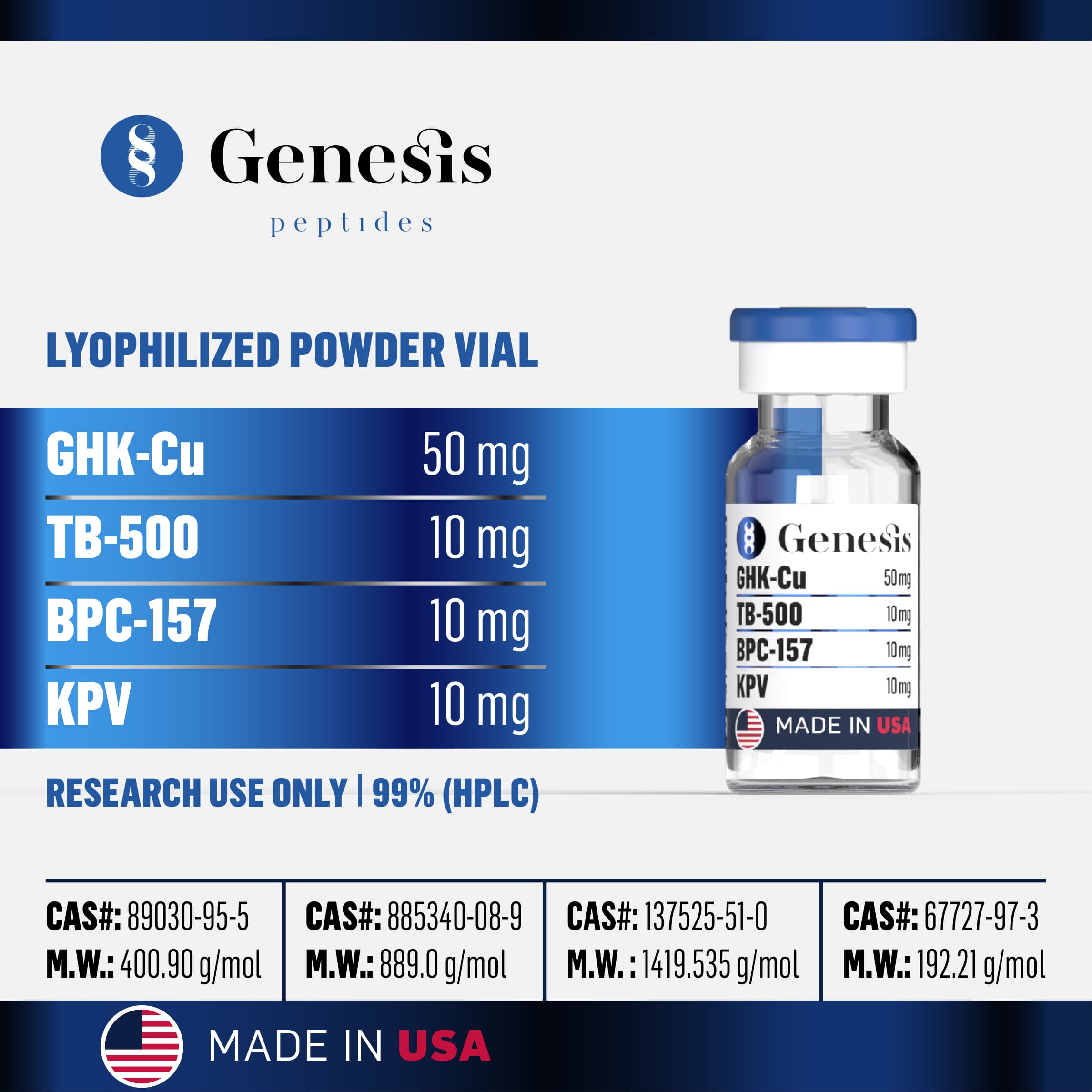
GHK-Cu + Thymosin Beta-4 + BPC-157 + KPV
GHK-Cu + TB-500 + BPC-157 + KPV is a Made-in-USA research blend (GHK-Cu 50mg + TB-500 (Thymosin Beta-4) 10mg + BPC-157 10mg + KPV 10mg), synthesized and finished in U.S. facilities and tested to the same analytical standard as the rest of the catalog. For research use only — not for human consumption. GHK-Cu What is GHK-Cu? Native GHK-Cu peptide is released from the extracellular matrix, cleaved from its parent protein, SPARC (secreted protein, acidic, and rich in cysteine), during extracellular matrix remodelling. Studies find it has vital roles in copper transport, tissue repair, inflammation modulation, and gene regulation [1]. A tripeptide, GHK-Cu is composed of glycine (Gly), histidine (His), and lysine (Lys) [1]. This amino acid complex binds tightly to copper, forming a stable coordination complex [2]. This binding capacity is what gives GHK-Cu its unique biological signalling and regenerative properties [2]. After performing its functions, GHK-Cu is degraded by serum peptidases. Studies show that circulating levels decrease with age, averaging 200 ng/mL at age twenty and declining to 80 ng/mL by age sixty, potentially impacting regenerative capacity [1]. Copper(II) is a redox-active metal required as a cofactor for many enzymes, including cytochrome C oxidase, lysyl oxidase, and superoxide dismutase [2]. GHK binds copper in a bioavailable, non-toxic form, supports shuttling it into cells, and maintains intracellular copper homeostasis [2]. GHK-Cu shows abilities to up- or downregulate over 4,000 genes. These pathways are many, and include those involved in tissue regeneration and repair, anti-inflammatory signalling, antioxidant defenses, and cell growth and differentiation [2]. While scientists are still elucidating some of GHK-Cu peptide’s mechanisms, current research suggests that they include augmenting transcription factors, epigenetic modification (particularly histone and chromatin) and oxidative stress signalling [2]. What does GHK-Cu do? The research Research is still emerging on the wide applications of GHK-Cu peptide; however, our current understanding of its actions point towards applications particularly in skin and hair, and regenerative processes. GHK-Cu and skin Research suggests that GHK-Cu peptide may have roles in reprogramming older tissues to act more youthful [2]. When skin gets injured, GHK-Cu is naturally released, acting as an emergency signal to activate skin healing processes [3]. A study using a test tube wound model found that GHK-Cu increases the production of collagen (which gives skin structure), elastin (which keeps skin elastic), and decorin and glycosaminoglycans (key molecules that hydrate and organize skin tissue) [4]. GHK-Cu also supports the balance of enzymes that break down skin proteins, MMPs, and their inhibitors, TIMPs [5],[6]. This prevents the buildup of damaged proteins, and overactive breakdown, which can lead to thinning and sagging skin [2]. One cell-based study found that skin cells exposed to GHK-Cu in combination with red LED light had 12.5x greater cell survival, 230% increase in fibroblast growth factor, and 70% higher collagen production [7]. At the stem cell level, GHK-Cu improved the health and shape of basal cells in the epidermis, increasing markers of stemness, which may help skin regenerate better with age [8]. GHK-Cu and hair GHK-Cu peptides show benefits for supporting hair growth, by [9]: Improving blood flow to hair follicles Preventing hair shedding and premature hair loss Stimulating the growth of new hair follicles Studies find that GHK-Cu can stimulate fibroblasts, a particular type of skin cell, to produce VEGF (vascular endothelial growth factor), which helps support the growth of new blood vessels surrounding the hair follicle [9]. More blood vessels allow for greater nutrient and oxygen delivery to the area, thus supporting stronger, faster growing hair [9]. It also reduces the production of TGF-beta, a chemical that signals to hair follicles to stop growing and enter the shedding phase of hair growth [9]. With less TGF-beta, hair remains in the growth phase for longer. By encouraging dermal papilla cells to multiply and protecting them from apoptosis, GHK-Cu supports the development and growth of new hair, by keeping follicles healthy [9]. Other regenerative processes While more research is needed, our understanding of GHK-Cu points towards potential applications of this peptide in wound healing and repair processes, promotion of antioxidant defenses, angiogenesis, gene modulation, and more [2]. TB-500 (Thymosin Beta-4) What is TB500 (Thymosin Beta 4)? TB500 peptide is a shorter, bioactive fragment of thymosin beta-4, designed to focus on thymosin beta-4’s most therapeutically relevant region, the 7-amino acid sequence LKKTETQ responsible for actin binding and tissue regeneration [1]. Though structurally simpler than the full-length thymosin beta-4, TB500 peptide retains potent biological activity [5]. The number 500 in TB500 is added as a commercial name, without biological or scientific significance. Key biochemical features include: Actin-binding domain [6]: Essential for cytoskeletal regulation, enabling cell migration and tissue remodelling. Essential amino acid residues [6]: Support actin polymerization and cellular mobility. No post-transitional modifications [6]: As a synthetic peptide, TB500 lacks glycosylation or phosphorylation, ensuring structural stability. What does TB500 do? TB500 exerts multi-system effects, supporting wound healing, reducing inflammation, promoting cell regeneration, and enhancing immune defenses [1]. Tissue repair and regeneration TB500 accelerates tissue repair by binding actin, a key structural protein in cells. This interaction stimulates stem cell recruitment and differentiation at injury sites, migration of skin cells to close wounds faster, and formation of new blood vessels (angiogenesis) to improve oxygen and nutrient delivery [1]. It also enhances collagen alignment and increases laminin-5, both essential for strong and well-structured tissues [7]. Simultaneously, it reduces the number of scar-forming cells, minimizing fibrotic tissue formation [8]. Animal studies have confirmed TB500 peptide’s ability to reduce tissue damage, speed up recovery, and promote healing even in challenging conditions [9]. Human trials suggest that topical formulations are safe and effective in wound repair. Emerging data also support the potential role of TB500 in neurological and cardiac tissue regeneration, aiding recovery after events like stroke or heart attack [9]. Anti-inflammatory and immunomodulatory effects Following tissue injury, high levels of inflammation can damage tissues and lead to permanent scarring. TB500 peptide mitigates this response, lowering the levels of inflammatory cells and the chemical signals they release [1]. This has downstream impacts of reducing tissue swelling, protecting healthy tissue, and creating an environment supportive of proper healing with less scar tissue formation [1]. A key anti-inflammatory mechanism involves the NF-kB signalling pathway, which controls the expression of many pro-inflammatory genes. TB500 inhibits NF-kB activation, prevents p65 subunit phosphorylation, and blocks nuclear translocation of NF-kB [10]. These actions have been demonstrated in corneal, cardiac, and liver tissues. The NF-kB inhibition contributes to reduced inflammation and improved healing responses in these tissues [10]. TB500 peptide modulates the toll-like receptor-4 (TLR-4) pathway, which is central to innate immune responses [11]. Through upregulation of microRNA-146a, TB500 can suppress this pathway, promoting anti-inflammatory effects [11]. For this reason, TB500 may indirectly support the repair of gut barriers by improving the proliferation and migration of cells, and supporting tissue healing processes. Furthermore, a peptide fragment within TB500, Ac-SDKP, has been shown to reduce fibrosis (e.g., heart scarring after myocardial infarction), likely through similar anti-inflammatory and anti-proliferative mechanisms [6]. Antibacterial and antiviral effects TB500 strengthens antimicrobial defenses by increasing the expression of antimicrobial peptides (AMPs) such as keratin 6A, CAMP, beta-defensins (BD2, BD3), and S100A8 [12]. These peptides help prevent bacterial adherence and enhance immune clearance of pathogens [12]. TB500 also boosts TLR4 expression, enhancing the recognition of bacterial invaders like LPS-producing pathogens [12]. When combined with antibiotics, TB500 enhances the activity of 12-LOX and 15-LOX enzymes, which promote resolution of inflammation and tissue restoration [12]. This synergy highlights TB500’s potential as an adjunct to antimicrobial therapies—supporting not only microbial defense but also repair of infected tissues. BPC-157 What is BPC-157? BPC-157 is a synthetic pentadecapeptide composed of 15 amino acids, with the sequence Gly-Glu-Pro-Pro-Pro-Gly-Lys-Pro-Ala-Asp-Asp-Ala-Gly-Leu-Val. It is a portion of a protein that occurs naturally in human gastric juice, commonly referred to as Body Protection Compound (BPC). Native BPC helps maintain gastrointestinal integrity under normal physiological conditions. BPC-157 is stable and soluble in water. As a synthetic peptide, BPC-157 is not produced endogenously in this exact form but is designed to replicate a biologically active fragment of the parent protein found in gastric secretions [1]. The peptide has been the subject of extensive preclinical research, particularly in the context of cellular proliferation, angiogenesis, and tissue repair mechanisms. BPC-157 has been studied in animal and in vitro models as a tool for investigating pathways associated with: Gastrointestinal homeostasis Vascular modulation Cytoprotection Inflammation modulation All research involving BPC-157 remains within the domain of experimental studies, and it is not approved for human therapeutic use. What does BPC-157 do? The research Inflammation and pain modulation BPC-157 has been extensively studied in preclinical models for its modulatory effects on inflammation, particularly in relation to tissue injury and repair processes [1]. In various rodent studies, administration of BPC-157 reduced markers of inflammation in models of gastrointestinal, musculoskeletal, and neural injury. By modulating inflammation, rat studies suggest that various BPC variants modulate pain, while BPC-157 predominantly reduces acute pain in incisional and formalin-induced pain [2]. In a rat model of allodynia, it also reduced pain by protecting nerve integrity from capsaicin [3]. BPC may also modulate the nitric oxide (NO) system. It counteracts both excessive and deficient NO activity, supporting endothelial integrity and attenuating leukocyte infiltration in inflamed tissues. This dual regulation may contribute to its observed ability to balance pro-inflammatory and anti-inflammatory signaling cascades [4]. In experimental colitis models, for example, BPC-157 administration was associated with: Reduced mucosal damage Decreased myeloperoxidase activity (a marker of neutrophil infiltration) Normalization of cytokine profiles BPC-157 also promotes angiogenesis (blood vessel growth) and stabilizes vascular function at sites of injury. This angiogenic support not only facilitates tissue repair but may also limit secondary inflammation resulting from ischemia and oxidative stress [5]. Research in tendon and ligament injury models similarly highlights reductions in edema and inflammatory cell presence following BPC-157 exposure. These findings are derived from animal studies, and while promising, they await confirmation in human clinical research to fully understand its therapeutic relevance. Tissue healing and stem cells BPC-157 can facilitate regeneration across various tissue types, including: Tendon Muscle Ligament Bone Nerve A key feature identified in these models is BPC-157’s capacity to modulate cellular and immune environments in ways that promote structural integrity and restoration of injured sites. In rat models of tendon fibroblasts, BPC-157 significantly upregulated growth hormone receptor expression, and enhanced the responsiveness of these cells to endogenous growth hormone [6]. This interaction promotes cell proliferation and tissue regeneration, increasing expression of proliferation markers: Proliferating cell nuclear antigen (PCNA) JAK2 signaling pathway These results suggest a supportive role in tendon repair processes at the molecular level, enhancing the body's natural regenerative mechanisms. BPC-157 may influence stem cell activity indirectly by optimizing the local microenvironment of injured tissues. While direct stimulation of stem cell differentiation by BPC-157 has not been definitively proven, its actions on surrounding tissues, blood vessels, and extracellular matrix components are believed to indirectly enhance stem cell-mediated repair processes. Gut health BPC-157 has been extensively studied in preclinical models for its protective and regenerative effects on the gastrointestinal (GI) tract [7]. Research in rat models of ileoileal anastomosis healing, for instance, shows that BPC-157: Modulates local immune responses Enhances granulation tissue formation Increases collagen and reticulin deposition Promotes re-epithelialization Supports the regeneration of muscular tissue strands at anastomotic sites. BPC-157 reduced adhesion formation and necrosis, while accelerating the resolution of edema and inflammatory infiltrates in treated animals compared to controls. Additional experimental models of intestinal injury, including those involving perforations, fistulas, or induced colitis, report that BPC-157 administration supported gut integrity by: Promoting angiogenesis Mitigating tissue necrosis Stabilizing microvascular structures The peptide’s influence on nitric oxide pathways and its modulation of endothelial function are proposed mechanisms underlying these benefits. While clinical trials in humans remain limited, the consistent findings across animal models offer a compelling basis for future investigation into its application in gut health contexts. BPC-157 in bees Bees are crucial pollinators whose populations are in significant declines. Research suggests that BPC-157 may help to improve bee health and survival. In bees, BPC-157 improves colony strength and enhances certain aspects of immune responses [8]. Supplementation of bee diets with the peptide reduced the infection load of the Nosema ceranae, a one-celled fungal parasite. BPC-157 also attenuates gut damage from N. ceranae infections [8]. Overall, BPC-157 may be beneficial in beekeeping. KPV What Is KPV Peptide? KPV is a short bioactive peptide composed of three amino acids: lysine (K), proline (P), and valine (V) [1]. It is derived from the larger parent molecule α-melanocyte-stimulating hormone (α-MSH), a peptide hormone that modulates inflammation, pigmentation, circadian rhythm, and immune responses [1]. Unlike the full α-MSH sequence, KPV represents the minimal active fragment capable of exerting anti-inflammatory and protective effects in experimental settings. Because of its small size, KPV is more stable and potentially more amenable to topical or localized delivery compared to its larger parent peptide [2]. KPV is a promising subject of investigation in areas where inflammation and tissue degeneration play central roles, including aging-related disorders. KPV Peptide Mechanism of Action KPV is thought to act through interactions with the melanocortin 1 receptor (MC1R), a G-protein-coupled receptor expressed in a variety of tissues, including skin, intestinal epithelial cells, and immune cells [3]. Anti-Inflammatory Activity One of the most consistent findings across KPV research is its anti-inflammatory activity, particularly in epithelial tissues such as the gut and skin. In preclinical studies, KPV downregulates pro-inflammatory cytokines, including: Tumor necrosis factor-α (TNF-α) [4, 5] Interleukin-1β (IL-1β) [6] Interleukin-6 (IL-6) [4] At the same time, KPV enhanced anti-inflammatory mediators, helping to restore immune balance in tissues that were chronically stressed or damaged. Wound Healing Wound healing is a complex process that requires coordinated activity between keratinocytes, fibroblasts, immune cells, and vascular networks [7]. With aging, this regenerative capacity declines, delaying healing and increasing the risk of chronic wounds and scarring. Research on KPV suggests that it may play a role in supporting tissue repair by modulating inflammation and stimulating cellular regeneration [8]. Animal studies indicate that KPV significantly accelerates keratinocyte migration and proliferation, which promote the re-epithelialization of damaged skin and cornea [9]. By dampening the inflammatory cascade, KPV creates a more favorable environment for tissue recovery [1]. In parallel, KPV has been shown to influence fibroblast activity and extracellular matrix remodeling, processes that underpin scar formation, collagen deposition, and the restoration of skin integrity [10]. In mouse models, KPV accelerates full-thickness wound closure and reduces scarring compared to untreated controls [11]. KPV accomplishes this through increased angiogenesis and collagen deposition. The peptide appears to limit oxidative and inflammatory injury and enhance reparative signaling, striking a balance between protecting cells from further damage and promoting regeneration. KPV Peptide Benefits and Side Effects Gut Barrier Protection In the gut, inflammation disrupts epithelial barrier integrity, leading to increased permeability and impaired nutrient absorption [12]. KPV may counteract this by supporting epithelial repair and reducing inflammatory signaling via inhibiting NF-𝛋B and MAPK signaling pathways [4]. In murine models of inflammatory bowel disease, KPV led to significantly earlier recovery and stronger regain of body weight. The peptide preserved epithelial integrity, reduced oxidative injury, and supported mucosal repair [13]. Skin Health and Repair In dermatological research, KPV has demonstrated the ability to: Reduce swelling Accelerate wound closure Promote keratinocyte migration Promote fibroblast activity In animal models of dermatitis and wound healing, KPV has demonstrated the ability to reduce redness, irritation, and swelling [14]. By balancing cytokine activity and oxidative stress, KPV may treat inflammatory skin conditions and restore healthy skin. KPV may also be particularly relevant to skin aging, where low-level chronic inflammation accelerates collagen degradation, barrier dysfunction, and visible changes [15]. These effects are consistent with its origin as a fragment of α-MSH, a peptide historically studied for its skin-protective properties. Safety/Side Effect Profile KPV is generally well tolerated in experimental settings [16]. Unlike full-length α-MSH or other melanocortin peptides, KPV does not significantly influence pigmentation, reducing the risk of unwanted skin-darkening effects. Preclinical studies report no major systemic toxicity or adverse events, and topical or localized administration appears safe. Although extremely rare, applications of proteins or peptides may run the risk of local irritation or allergic reactions [17]. The evidence base remains limited, with most data derived from animal models, in vitro experiments, or small pilot human studies. Long-term safety, optimal dosing, and potential interactions of KPV with other compounds have yet to be fully established.
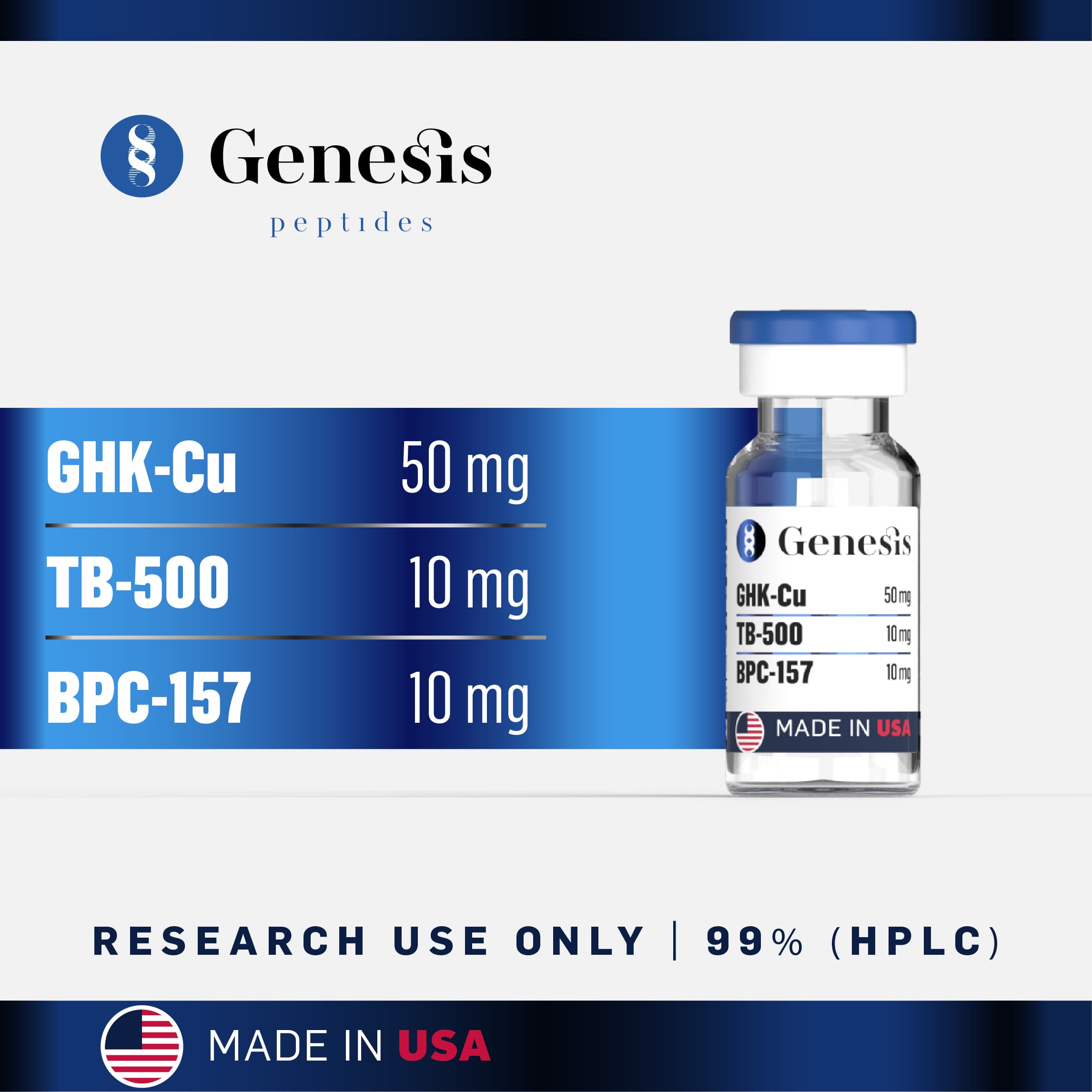
BPC-157 + Thymosin Beta-4 + GHK-Cu
Research-grade compound with certificate of analysis. Full analytical testing on every lot.
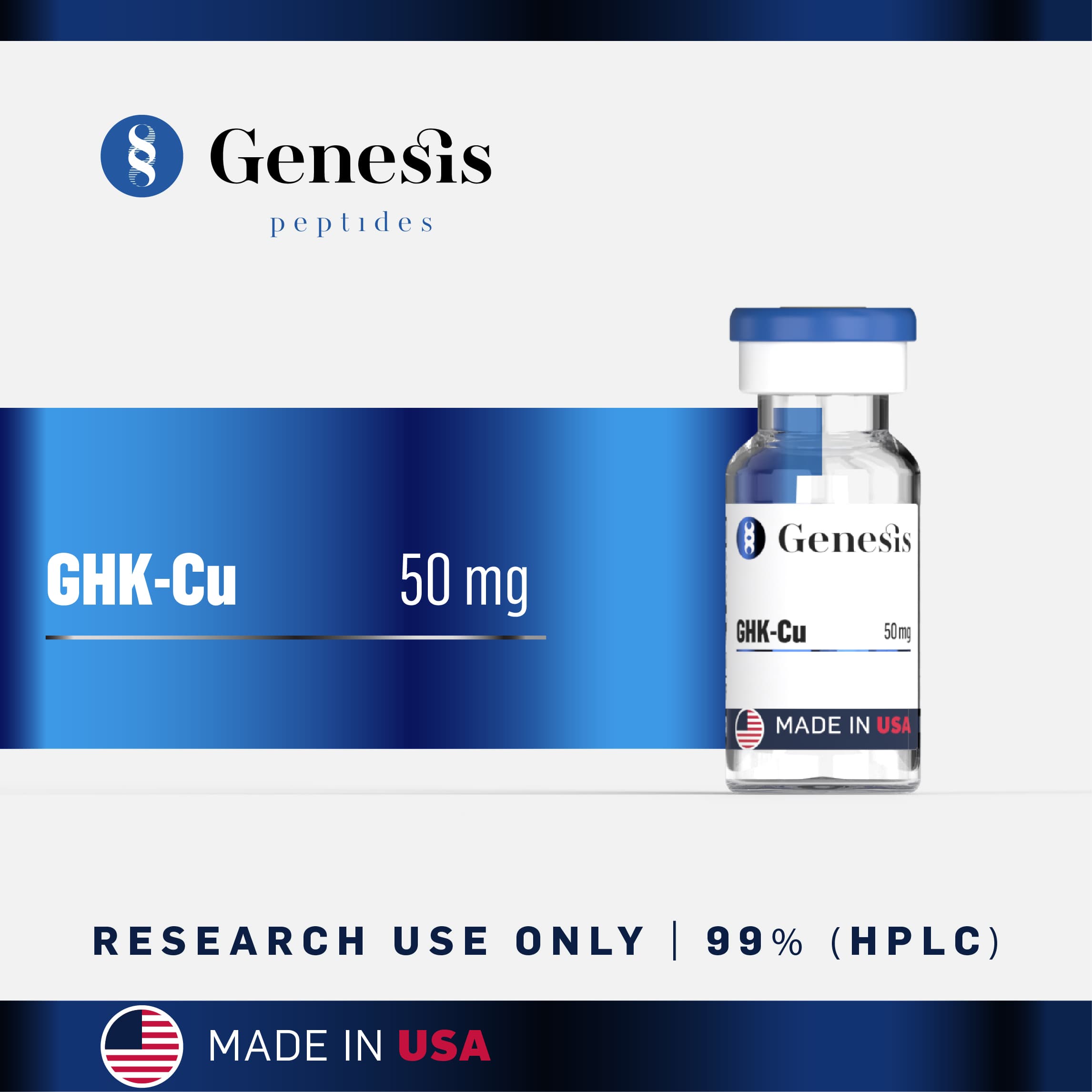
GHK-Cu
What is GHK-Cu? Native GHK-Cu peptide is released from the extracellular matrix, cleaved from its parent protein, SPARC (secreted protein, acidic, and rich in cysteine), during extracellular matrix remodelling. Studies find it has vital roles in copper transport, tissue repair, inflammation modulation, and gene regulation [1]. A tripeptide, GHK-Cu is composed of glycine (Gly), histidine (His), and lysine (Lys) [1]. This amino acid complex binds tightly to copper, forming a stable coordination complex [2]. This binding capacity is what gives GHK-Cu its unique biological signalling and regenerative properties [2]. After performing its functions, GHK-Cu is degraded by serum peptidases. Studies show that circulating levels decrease with age, averaging 200 ng/mL at age twenty and declining to 80 ng/mL by age sixty, potentially impacting regenerative capacity [1]. Copper(II) is a redox-active metal required as a cofactor for many enzymes, including cytochrome C oxidase, lysyl oxidase, and superoxide dismutase [2]. GHK binds copper in a bioavailable, non-toxic form, supports shuttling it into cells, and maintains intracellular copper homeostasis [2]. GHK-Cu shows abilities to up- or downregulate over 4,000 genes. These pathways are many, and include those involved in tissue regeneration and repair, anti-inflammatory signalling, antioxidant defenses, and cell growth and differentiation [2]. While scientists are still elucidating some of GHK-Cu peptide’s mechanisms, current research suggests that they include augmenting transcription factors, epigenetic modification (particularly histone and chromatin) and oxidative stress signalling [2]. What does GHK-Cu do? The research Research is still emerging on the wide applications of GHK-Cu peptide; however, our current understanding of its actions point towards applications particularly in skin and hair, and regenerative processes. GHK-Cu and skin Research suggests that GHK-Cu peptide may have roles in reprogramming older tissues to act more youthful [2]. When skin gets injured, GHK-Cu is naturally released, acting as an emergency signal to activate skin healing processes [3]. A study using a test tube wound model found that GHK-Cu increases the production of collagen (which gives skin structure), elastin (which keeps skin elastic), and decorin and glycosaminoglycans (key molecules that hydrate and organize skin tissue) [4]. GHK-Cu also supports the balance of enzymes that break down skin proteins, MMPs, and their inhibitors, TIMPs [5],[6]. This prevents the buildup of damaged proteins, and overactive breakdown, which can lead to thinning and sagging skin [2]. One cell-based study found that skin cells exposed to GHK-Cu in combination with red LED light had 12.5x greater cell survival, 230% increase in fibroblast growth factor, and 70% higher collagen production [7]. At the stem cell level, GHK-Cu improved the health and shape of basal cells in the epidermis, increasing markers of stemness, which may help skin regenerate better with age [8]. GHK-Cu and hair GHK-Cu peptides show benefits for supporting hair growth, by [9]: Improving blood flow to hair follicles Preventing hair shedding and premature hair loss Stimulating the growth of new hair follicles Studies find that GHK-Cu can stimulate fibroblasts, a particular type of skin cell, to produce VEGF (vascular endothelial growth factor), which helps support the growth of new blood vessels surrounding the hair follicle [9]. More blood vessels allow for greater nutrient and oxygen delivery to the area, thus supporting stronger, faster growing hair [9]. It also reduces the production of TGF-beta, a chemical that signals to hair follicles to stop growing and enter the shedding phase of hair growth [9]. With less TGF-beta, hair remains in the growth phase for longer. By encouraging dermal papilla cells to multiply and protecting them from apoptosis, GHK-Cu supports the development and growth of new hair, by keeping follicles healthy [9]. Other regenerative processes While more research is needed, our understanding of GHK-Cu points towards potential applications of this peptide in wound healing and repair processes, promotion of antioxidant defenses, angiogenesis, gene modulation, and more [2].
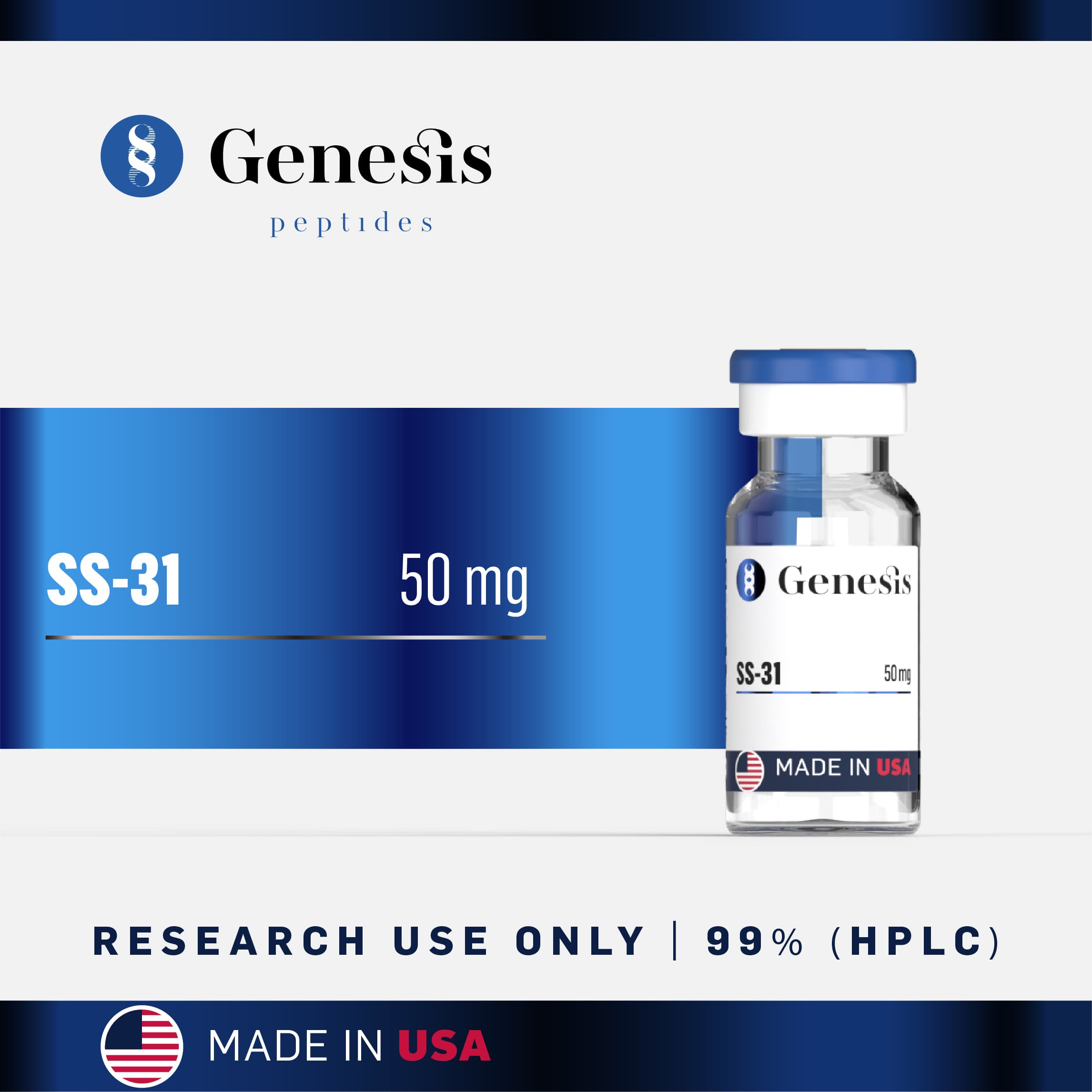
SS-31
What is SS-31 peptide? SS-31 is a small, 4-amino acid, mitochondria-targeting peptide, found to have antioxidant and cell-protective effects [1]. Made up of alternating aromatic and basic amino acids, it contains a dimethyl tyrosine residue that neutralizes reactive oxygen species (ROS) and prevents lipid peroxidation [1]. Pharmacologically, SS-31 is water-soluble, stable, and resistant to enzymatic breakdown [1]. It can easily penetrate cell membranes due to its structure. It is distributed widely throughout the body, with the highest concentrations in the kidneys, and is completely excreted in urine [1]. Clinical studies show it is generally safe, with only mild side effects at the injection site, and no serious problems reported [1]. Once within cells, SS-31 rapidly accumulates in the inner mitochondrial membrane, up to 5,000 times more than in the surrounding cellular environment. Inside the mitochondria, it stabilizes cardiolipin, a critical phospholipid involved in the electron transport chain [1]. By doing so, SS-31 reduces electron leakage, preserves mitochondrial structure, and enhances ATP production [1]. Because cardiolipin damage has been implicated in various conditions such as neurodegeneration, heart failure, and mitochondrial myopathies, SS-31 has been studied as a novel therapeutic and promising candidate for conditions driven by mitochondrial dysfunction [2]. SS-31 benefits, mechanisms of action, and side effects SS-31 attaches to cardiolipin, a phospholipid found within the inner layer of the mitochondria that helps maintain structure and stability [3]. In doing so, it protects cardiolipin and supports the electron transport chain [4]. This allows SS-31 to improve ATP production and counteract the impacts of oxidative stress [4]. SS-31 also activates specific antioxidant pathways, upregulating specific proteins that help protect against oxidative stress and ferroptosis cell damage [2]. Clinical and pre clinical studies have demonstrated its protective activities in cardiac, neurological, renal, and skeletal muscle tissues [5, 6, 7, 8, 9]. In models of spinal cord injuries, it also has neuroprotective activities [10]. Mitochondrial function and apoptosis SS-31, through cardiolipin binding, preserves cristae architecture and supports efficient ATP production and electron transport [11]. As a strong antioxidant, it scavenges mitochondrial ROS to restore membrane potential and enhance the cell’s ATP generation [3]. Together, these mechanisms explain why SS-31 can maintain mitochondrial morphology, and prevent swelling and depolarization under stress conditions [12]. SS-31 upregulates SIRT1 expression, which suggests it may improve mitochondrial resilience and cellular metabolism through gene regulation [13]. Cardiolipin stabilization from SS-31 also prevents its peroxidation, reducing cytochrome C leakage and activation of apoptotic pathways [10]. SS-31 lowers caspase-3 activity, shifts specific pathways towards cell survival, and reduces DNA fragmentation to prevent apoptosis [14]. Heart health SS-31 protects and restores heart health, particularly in conditions associated with heart failure, hypertension, atherosclerosis, and decreased blood flow [15]. By binding and stabilizing within mitochondrial membranes, SS-31 lowers oxidative stress and improves energy production [16]. In models of aging hearts, it restores healthy diastolic function and lowers oxidative damage without interfering with systolic function [16]. SS-31 repairs age-related changes in important heart proteins, improving muscle relaxation and resilience [17]. In models of cardiomyopathy and heart failure, SS-31 prevents apoptosis, limits scarring and thickening of cardiac muscle, and improves overall energy efficiency [5]. This remains even when blood pressure remains high [18]. It also strengthens aerobic metabolism, helping the heart meet high energy demands [19]. Within the blood vessels, SS-31 lowers inflammation, stabilizes atherosclerotic plaques, and enhances ATP production [20]. In ischemia-reperfusion, SS-31 reduces tissue damage and speeds recovery [21]. Antioxidant and anti-inflammatory properties SS-31 can neutralize reactive oxygen species and provide protection for mitochondrial membranes [22]. By binding cardiolipin, SS-31 prevents cardiolipin peroxidation, which helps preserve mitochondrial integrity, limit cytochrome C leakage, and protect against mitochondrial dysfunction [23]. One study found SS-31 was able to prevent depletion of key antioxidant enzymes, including myeloperoxidase and superoxide dismutase, helping maintain redox balance [24]. By limiting oxidative damage, SS-31 can preserve mitochondrial energy output, limiting further ROS generation. SS-31 also has anti-inflammatory impacts, with research finding it can lower levels of TNF-α, IL-1β, and IL-6 in lung tissue. These cytokines are key mediators of inflammatory and fibrotic signaling [22]. Because high ROS amplifies profibrotic pathways, reducing ROS indirectly lowers inflammation and fibrosis. Through its impacts on myeloperoxidase, SS-31 reduces neutrophil-driven tissue injury and inflammation [22].
Thymosin Alpha 1
What Is Thymosin Alpha 1 and How Does It Work? Thymosin alpha 1 (Tα1 or TA1) is a 28-amino acid peptide naturally present and isolated from the thymus. It holds an integral role in regulating inflammation, restoring immunity, and enhancing immune tolerance [1]. These functions are crucial for defenses against viral, bacterial, and fungal infections, as well as for inhibiting autoimmunity and tumorigenesis. Immunomodulatory Actions of Thymosin Alpha 1 Tα1 stimulates the innate, adaptive, and humoral immune responses, acting as agonists of toll-like receptors (TLRs) 9 and 2 in specialized antigen-presenting cells, such as myeloid and dendritic cells [1]. Moreover, Tα1 can increase the levels of cytokines: IL-2, IL-10, IL-12, and interferon (IFN) α and γ [1]. These actions are fundamental for fighting viral, bacterial, and fungal infections. On the other hand, Tα1 down-regulates IL-1β and tumor necrosis factor-α, reducing the inflammatory response that may be responsible for autoimmunity and cytokine storms [1]. Tα1-induced immunosuppression can prevent cytokine storm, a catastrophic event seen in some infectious diseases or sepsis. Finally, Tα1 promotes T-cell maturation into CD4+/CD8+ T cells and activates natural killer cells, giving it a crucial role in anti-cancer immunity [1]. Thymosin Alpha 1 Benefits Tα1 has been rigorously tested and has a track record of safety. Since its discovery in the early 1980s, it has been used in various clinical settings as adjuvant treatment, and it has been approved for treating hepatitis B and C in some countries [1]. Besides hepatitis B and C, Tα1 has been proven to be a beneficial treatment for patients with HIV, serving as a safe adjuvant to antiretroviral therapy [1]. In addition, it has shown positive effects in immunocompromised patients following bone marrow transplant or in lowering mortality in patients with sepsis [1, 2]. Tα1 also improves immunogenicity of the influenza vaccine [1]. Additionally, Tα1 helps regulate immunity and reduce inflammation in patients with autoimmune diseases such as rheumatoid arthritis, multiple sclerosis, and systemic lupus erythematosus, likely through its anti-inflammatory activity [3]. Infections Tα1 has been used as an adjuvant therapy in many infectious diseases, including chronic hepatitis B and C, HIV, pseudomonas [4], and mold pneumonia in immunocompromised patients [4]. As an adjuvant in HIV antiretroviral therapy, it helps in increasing CD4+ cell count, stimulates the function of CD4+ cells, and decreases viral load [1]. In addition, Tα1 significantly increases levels of sjTREC in patients with advanced HIV disease, in contrast with the dramatic decline of sjTREC levels as the disease progresses and naive T cells are depleted. An important feature of Tα1 is that it also has an immunomodulatory role that can mitigate sepsis and cytokine storms. A single-blind randomized control trial conducted in six tertiary hospitals in China demonstrated 9% lower mortality in the Tα1-treated group compared to the control group of patients with sepsis [2]. Cancers The anti-tumor effect of Tα1 was studied both in cancer cell lines and in vivo. It has been studied as a single immunotherapeutic agent or combined with chemotherapy, radiotherapy, or surgery. Tα1 inhibits cell proliferation, induces apoptosis, as well as promotes immunosurveillance by increasing the expression of major histocompatibility complex (MHC) I and tumor antigens [3]. In 2015, Guo et al. concluded that Tα1 can decrease proliferation and induce apoptosis in human cancer cell lines such as human leukemia, non-small cell lung cancer, melanoma, and other cancers [1]. Tα1 has shown promising results in patients with malignancies. Tα1 tripled the response rate to dacarbazine in stage IV melanoma patients, compared to dacarbazine alone. It also has proven beneficial effects in head, neck, and hepatocellular carcinoma as well as lung and breast cancer, possibly acting as an immune checkpoint inhibitor [1, 3]. Autoimmunity and Chronic Immune Responses Autoimmune diseases like rheumatoid arthritis, multiple sclerosis, and systemic lupus erythematosus are characterized by a dysregulated immune system. Tα1 levels are not only dramatically lower in patients with psoriatic arthritis when compared with healthy individuals but also when compared with patients with systemic lupus or rheumatoid arthritis [5].
Kisspeptin
Snapshot: Kisspeptin activates the KISS1R receptor, which regulates gonadotropin-releasing hormone (GnRH) secretion and various other targets. Exogenous kisspeptin-10 directly stimulates GnRH release and influences tumor cell behavior. Kisspeptin may also influence sexual and emotional brain processing, metabolic signaling, vascular and renal biology, and in tumor-cell migration and metastatic pathways. What Is Kisspeptin? Kisspeptins are biologically active peptides encoded by the KISS1 gene, which produces several biologically active peptides, including kisspeptin-54 and kisspeptin-10 [1]. All active fragments bind to the same G-protein-coupled receptor, KISS1R [2]. Kisspeptin-10 is the smallest active form of kisspeptin, with the amino acid sequence YNWNSFGLRFamide. Exogenously-administered kisspeptin-10 can directly stimulate GnRH, suggesting that it may have potential therapeutic effects in reproductive medicine and sexual health [3, 4]. KISS1 was originally identified as a metastasis suppressor gene, based on early findings that its expression could inhibit the spread of melanoma and breast cancer cells [5]. The gene is expressed in multiple tissues, including the hypothalamus, gonads, pancreas, adrenal gland, liver, and brain, reflecting both central and peripheral physiological roles [6]. Kisspeptin exerts primary endocrine effects through KISS1R-mediated stimulation of gonadotropin-releasing hormone (GnRH) neurons in the hypothalamus [2]. When it binds to KISS1R, the receptor activates G-protein-coupled intracellular signalling cascades, which increase the activity and firing of GnRH-secreting neurons [1]. GnRH is released into the hypothalamic-pituitary portal circulation and stimulates the anterior pituitary to release luteinizing hormone (LH) and follicle-stimulating hormone (FSH) [1]. Research suggests kisspeptin is a key upstream regulator of reproductive hormone activation, particularly around the onset of puberty, and the full extent of its regulatory control remains an active area of research [2, 7]. Kisspeptin Peptide Benefits Beyond its central role in controlling reproductive hormones, kisspeptin is also studied for possible effects on sexual behavior and emotional processing, metabolic function, and in cancer biology. Sexual Function & Psychology Kisspeptin is best known for its central role in activating the reproductive hormone axis via stimulation of GnRH neurons, which in turn drives LH and FSH release and supports sexual maturation and fertility [6]. In a small clinical study enrolling 4–5 subjects per group per gender, subjects received subcutaneous bolus or IV infusion of kisspeptin-10. Healthy male participants had elevated LH and FSH in response to low-dose IV bolus at 0.3 and 1.0 nmol/kg. In contrast, female participants had no serum gonadotrophin responses during their follicular phase, even at doses as high as 720 pmol/kg/min. However, during their preovulatory phases, the serum LH and FSH were elevated after IV bolus of kisspeptin at 10 nmol/kg [3]. In a small comparative study enrolling 5 healthy men per group, vehicle, kisspeptin-10, kisspeptin-54, and GnRH were compared at doses of 0.1, 0.3, and 1.0 nmol/kg/h. Subjects received 3 hours of intravenous therapy. Subsequently, their LH and FSH were tested. The study found that GnRH produced about three-fold the LH and FSH elevation relative to kisspeptin-10, and twice that of kisspeptin-54 [8]. Emerging research also indicates that kisspeptin may influence aspects of emotional processing, bonding, and sexual behavior through its actions in the limbic and hypothalamic brain regions involved in motivation and affective regulation [6]. Both the hormonal and emotional effects appear to operate within reproductive and motivational circuits, rather than broad psychological pathways [6]. Metabolic Effects Kisspeptin signalling has been identified in several peripheral metabolic tissues, including the pancreas and adipose tissue, suggesting roles beyond reproduction. Experimental work in rodents and humans demonstrated that kisspeptin and its receptor are expressed in pancreatic islets and in vivo models, without affecting basal insulin release [6]. These findings support a context-dependent, glucose-linked action instead of a continuous insulin-stimulatory effect. Consistent with this, animals created without kisspeptin signalling show increased adiposity, higher leptin levels, and impaired glucose tolerance [6]. This raises the possibility that loss of peripheral kisspeptin signalling may contribute to energy imbalances and metabolic dysregulation [6]. Current evidence supports a modulatory, rather than primary, metabolic role with kisspeptin influencing insulin signaling, adiposity, and glucose tolerance under specific physiological conditions, particularly those linked to reproductive or hormonal status [6]. Anticancer Effects Kisspeptin was first discovered in cancer research, where restoring KISS1 gene expression in highly metastatic melanoma cells strongly reduced the spread of tumors in animal models, without stopping the original tumor from growing [9]. This led to its classification as a metastasis-suppressor gene [9]. Cell-based studies suggest it does not mainly act by killing cancer cells, but by reducing their ability to move, invade, and migrate [9]. Kisspeptin peptides can slow chemotaxis and invasion, influence matrix-remodelling enzymes, and change cell shape and cytoskeleton dynamics in ways that make cells less mobile and more adhesive [9]. Clinical expression across several cancer types, including melanoma, breast, ovarian, bladder, esophageal, and endometrial cancers, consistently shows that lower KISS1 expression is associated with more advanced or metastatic disease, whereas higher expression is more common in earlier-stage tumors [9]. Current evidence primarily indicates that kisspeptin impacts metastatic potential rather than tumor growth itself, acting as a regulator of how readily cancer cells spread through the body [9]. References 1 Messager, S., Chatzidaki, E. E., Ma, D., Hendrick, A. G., Zahn, D., Dixon, J., et al. (2005) Kisspeptin directly stimulates gonadotropin-releasing hormone release via G protein-coupled receptor 54. Proc. Natl. Acad. Sci. U. S. A., Proceedings of the National Academy of Sciences 102, 1761–1766 2 Rønnekleiv, O. K. and Kelly, M. J. (2013) Kisspeptin excitation of GnRH neurons. Adv. Exp. Med. Biol., Springer New York 784, 113–131 3 Jayasena, C. N., Nijher, G. M. K., Comninos, A. N., Abbara, A., Januszewki, A., Vaal, M. L., et al. (2011) The effects of kisspeptin-10 on reproductive hormone release show sexual dimorphism in humans. J. Clin. Endocrinol. Metab., The Endocrine Society 96, E1963–72 4 Thurston, L., Hunjan, T., Ertl, N., Wall, M. B., Mills, E. G., Suladze, S., et al. (2022) Effects of kisspeptin administration in women with hypoactive sexual desire disorder: A randomized clinical trial: A randomized clinical trial. JAMA Netw. Open, American Medical Association (AMA) 5, e2236131 5 Lee, J. H., Miele, M. E., Hicks, D. J., Phillips, K. K., Trent, J. M., Weissman, B. E., et al. (1996) KiSS-1, a novel human malignant melanoma metastasis-suppressor gene. J. Natl. Cancer Inst., Oxford University Press (OUP) 88, 1731–1737 6 Bhattacharya, M. and Babwah, A. V. (2015) Kisspeptin: beyond the brain. Endocrinology, The Endocrine Society 156, 1218–1227 7 Skorupskaite, K., George, J. T. and Anderson, R. A. (2014) The kisspeptin-GnRH pathway in human reproductive health and disease. Hum. Reprod. Update 20, 485–500 8 Jayasena, C. N., Abbara, A., Narayanaswamy, S., Comninos, A. N., Ratnasabapathy, R., Bassett, P., et al. (2015) Direct comparison of the effects of intravenous kisspeptin-10, kisspeptin-54 and GnRH on gonadotrophin secretion in healthy men. Hum. Reprod., Oxford University Press (OUP) 30, 1934–1941 9 Mead, E. J., Maguire, J. J., Kuc, R. E. and Davenport, A. P. (2007) Kisspeptins: a multifunctional peptide system with a role in reproduction, cancer and the cardiovascular system: Kisspeptins are multifunctional peptides. Br. J. Pharmacol., Wiley 151, 1143–1153
Epitalon
What is epitalon peptide? Epitalon, also known as Epithalone or Epithalon, is a synthetic tetrapeptide (Ala–Glu–Asp–Gly) derived from a naturally occurring pineal gland extract (epithalamin) [1]. Structurally, epitalon mimics endogenous peptides that influence the activity of telomerase, the enzyme responsible for maintaining telomere length. Epitalon may also modulate oxidative stress regulation, circadian rhythm stabilization, and neuroendocrine function. Epitalon peptide benefits Anti-aging and longevity One of the most widely studied aspects of epitalon is its potential influence on cellular aging through multiple biochemical pathways. A cell study investigated whether Epithalon can influence two processes central to dementia, cholinesterase activity and the formation of the soluble form of amyloid precursor protein (sAPP) in human neuroblastoma (SH-SY5Y) cells [2]. Results showed that Epithalon: Reduced excessive cholinesterase enzymatic activity. Increased sAPP formation, which is protective against Alzheimer’s-type pathology. These effects suggest that epitalon may delay or prevent mechanisms underlying conditions like Alzheimer’s disease. Similar anti-aging effects are also seen in other tissues, such as in the prevention of age-based pigmentary retinal dystrophy in genetically predisposed rats [3]. Antioxidant Oxidative stress is a central contributor to cellular aging and carcinogenesis, as unmanaged oxidative species can damage lipids, proteins, and DNA. Epitalon can mitigate such damages by enhancing endogenous antioxidant defenses. In a fruit fly study, synthetic Epithalon’s antioxidant activities were compared with the crude pineal extract, epithalamin [4]. Epitalon was added to larval nutrient medium at 0.00001 wt%, while epithalamin was added at concentrations 1000-fold higher. Epitalon addition resulted in: 20% Increased catalase activity (p<0.05) 20-50% decreased CHP content (marker of lipid peroxidation) (p<0.05) ~1000-fold higher biological activity than epithalamin Anticarcinogenic A study evaluated the effect of epitalon on tumor development and oncogene expression in 80 transgenic HER-2/neu mice, a model predisposed to breast cancer and accelerated aging [5]. Mice were either given saline as negative control, Vilon as a positive control, or Epithalon (1 µg, subcutaneous) for 5 consecutive days monthly. Results showed that epitalon: Delayed first tumor appearance by 38 days compared to Vilon, and by 20 days compared to saline. Reduced recurring tumor incidence: 28% remained tumor-free vs.18% (saline). Lowered tumor multiplicity: only 56% had ≥2 tumors vs. 75% (saline). Reduced maximum tumor diameter by 33% (p<0.05). 3.7-fold lower HER-2/neu mRNA expression compared to saline (p<0.001), whereas Vilon produced a 1.97-fold lower HER-2/neu expression. Telomere protection A defining feature of epitalon is its reported influence on telomerase activity. Telomerase is the ribonucleoprotein enzyme responsible for elongating telomeric DNA, maintaining chromosomal stability. In most somatic cells, telomerase activity is repressed, which leads to progressive telomere shortening during replication. When telomeres become critically short, cells enter senescence, a hallmark of aging [6]. An in vitro study evaluated whether epitalon can activate telomerase and elongate telomeres in human somatic cells [7]. Human fetal fibroblasts were exposed to epitalon at varying concentrations, resulting in: Increased telomerase Telomere elongation Extended proliferative capacity beyond the normal Hayflick limit (40-60 replications before senescence and death) Circadian rhythm Epitalon has been linked to pineal gland regulation through melatonin, a hormone that regulates sleep–wake cycles and seasonal biological rhythms. Melatonin naturally declines with age. An animal study evaluated whether epitalon can restore melatonin secretion and normalize circadian rhythms of cortisol production in aged female rhesus monkeys [8]. The experimental group received 10 µg of epitalon intramuscularly, once daily for 10 days, while the control group received saline. epitalon administration resulted in: A three-fold increase in evening melatonin secretion (48 vs. 15 pg/ml, p < 0.001) Restoration of normal day-night variations of circadian cortisol rhythm Effects selective for aged animals only Metabolic regulation Age-related changes in mitochondria, nutrient sensing, and hormone signaling may underpin metabolic changes that result in insulin resistance and other related diseases. Epitalon works partly by addressing these mechanisms, according to a study in rhesus monkeys [9]. Seven young (6–8 years) and seven old (20–27 years) monkeys were administered epitalon intramuscularly (10 µg/day for 10 days). After administration, older monkeys had: Decreased basal glucose concentration Improved glucose clearance rate (p<0.01) Restored early-phase insulin secretion (320% vs. 198% control, p<0.05) Improved late-phase insulin dynamics Glucose tolerance improvements persisted for 1–2 months post-treatment, even after epitalon withdrawal.
CJC-1295 (no DAC)+Ipamorelin (5+5)
Snapshot CJC-1295 No DAC (GHRH analog) and ipamorelin (GHS-R1a agonist) stimulate endogenous GH through complementary cAMP and Ca²⁺ signaling pathways. Clinical and mechanistic studies of GHRH+GHS-R1a agonists co-administration demonstrate amplified pulsatile GH release compared to either pathway alone, supporting dual-axis activation of the somatotroph system. What Is CJC-1295 Without DAC? CJC-1295 without DAC is a synthetic analog of growth hormone–releasing hormone (GHRH amino acid 1–29 or Mod GHF1-29 ). This CJC-1295 is designed to stimulate endogenous growth hormone (GH) secretion through activation of the GHRH receptor (GHRH-R) on anterior pituitary somatotrophs. Without the Drug Affinity Complex (DAC), it does not bind albumin, resulting in a shorter half-life and more physiologic, pulse-like GH stimulation. Mechanistically, it activates the adenylyl cyclase–cAMP–protein kinase A (PKA) signaling cascade, promoting GH release and downstream increases in circulating insulin-like growth factor-1 (IGF-1) [1]. Because it works upstream at the hypothalamic–pituitary axis, CJC-1295 without DAC preserves endogenous inhibitory feedback regulation via somatostatin and IGF-1. What Is Ipamorelin? Ipamorelin is a selective growth hormone secretagogue (GHS) that binds to the ghrelin receptor (GHS-R1a) on anterior pituitary somatotrophs [2]. It stimulates endogenous GH release primarily through activation of the phospholipase C (PLC)–IP3–calcium signaling pathway, increasing intracellular calcium and promoting pulsatile GH secretion [3]. Unlike earlier GHS compounds and ghrelin itself, ipamorelin is relatively selective for GH release, with minimal stimulation of ACTH, cortisol, or hunger compared to less selective secretagogues [2]. By acting through a pathway distinct from GHRH analogs, ipamorelin is frequently studied in combination paradigms evaluating complementary stimulation of the somatotroph axis. Synergy CJC-1295 without DAC and ipamorelin stimulate endogenous growth hormone (GH) release through distinct but convergent regulatory pathways within the HPA axis. Their combined use is based on dual activation of GHRH and ghrelin receptor systems via: GHRH receptor > adenylyl cyclase–cAMP–PKA (CJC-1295) GHS-R1a > phospholipase C (PLC)–IP3–Ca²⁺(Ipamorelin) Because these pathways operate independently, their combined activation should increase both the magnitude and efficiency of GH pulsatility. Although published studies typically evaluate GHRH combined with GHRP compounds (such as GHRP-6 or ghrelin) rather than ipamorelin specifically, the mechanistic framework likely applies to ipamorelin due to its selective GHS-R1a agonism. Cell-based studies demonstrate that co-activation of GHRH and GHS receptors can produce approximately twofold greater cAMP signaling compared to GHRH alone, suggesting receptor-level cross-talk and amplification of somatotroph responsiveness [4]. A clinical study evaluated whether ghrelin, the endogenous ligand for the GHS receptor, interacts synergistically with growth hormone–releasing hormone (GHRH) to stimulate GH secretion [5]. 8 male adults were administered ghrelin (0.08, 0.2, and 1.0 μg/kg) intravenously alone or combined with 1.0 μg/kg GHRH. Results showed that combined administration with GHRH: Produced significantly greater GH responses than either peptide alone (p < 0.05)[a] GH response exceeded the sum of the individual responses, demonstrating true supra-additive synergy (p < 0.050 No synergistic interaction with ACTH or prolactin secretion This study demonstrates that co-administration of ghrelin and GHRH produces true synergistic GH release in humans, exceeding additive stimulation from either agent alone. The findings support the concept that dual activation of the GHRH receptor and GHS receptor enhances pituitary somatotroph responsiveness. In some metabolic conditions (e.g., obesity-associated blunting of GHRH response), GHS agonists partially restored GH responsiveness [6]. Ipamorelin Pairing Ipamorelin is highlighted in research contexts due to its relative selectivity for GH release, with minimal stimulation of ACTH and cortisol compared to earlier GHRP compounds. This selective profile may allow more targeted evaluation of somatotroph activation without broader pituitary axis activation. When paired with a short-acting GHRH analog such as CJC-1295 without DAC, the goal is typically to: Preserve physiologic pulsatility Enhance GH pulse amplitude Maintain endogenous feedback regulation The absence of the DAC component in CJC-1295 results in a shorter half-life, aligning more closely with natural episodic GH dynamics rather than prolonged elevation. Dose and Ratio Considerations Balanced ratios such as 2 mg + 2 mg or 5 mg + 5 mg can be conceptually described as targeting simultaneous engagement of: The GHRH-R/cAMP axis (transcriptional and secretory priming) The GHS-R1a/Ca²⁺ axis (secretory amplification) Proportional dosing may theoretically promote coordinated receptor activation. However, precise optimization of dose ratios has not been definitively established in controlled combination trials and remains an empirical parameter in research settings. References: 1 Sackmann-Sala, L., Ding, J., Frohman, L. A. and Kopchick, J. J. (2009) Activation of the GH/IGF-1 axis by CJC-1295, a long-acting GHRH analog, results in serum protein profile changes in normal adult subjects. Growth Horm. IGF Res., Elsevier BV 19, 471–477 2 Raun, K., Hansen, B. S., Johansen, N. L., Thøgersen, H., Madsen, K., Ankersen, M., et al. (1998) Ipamorelin, the first selective growth hormone secretagogue. Eur. J. Endocrinol., Oxford University Press (OUP) 139, 552–561 3 Mear, Y., Enjalbert, A. and Thirion, S. (2013) GHS-R1a constitutive activity and its physiological relevance. Front. Neurosci., Frontiers Media SA 7, 87 4 Cunha, S. R. and Mayo, K. E. (2002) Ghrelin and growth hormone (GH) secretagogues potentiate GH-releasing hormone (GHRH)-induced cyclic adenosine 3’,5'-monophosphate production in cells expressing transfected GHRH and GH secretagogue receptors. Endocrinology, The Endocrine Society 143, 4570–4582 5 Hataya, Y., Akamizu, T., Takaya, K., Kanamoto, N., Ariyasu, H., Saijo, M., et al. (2001) A low dose of ghrelin stimulates growth hormone (GH) release synergistically with GH-releasing hormone in humans. J. Clin. Endocrinol. Metab., The Endocrine Society 86, 4552 6 Popovic, V., Damjanovic, S., Micic, D., Djurovic, M., Dieguez, C. and Casanueva, F. F. (1995) Blocked growth hormone-releasing peptide (GHRP-6)-induced GH secretion and absence of the synergic action of GHRP-6 plus GH-releasing hormone in patients with hypothalamopituitary disconnection: evidence that GHRP-6 main action is exerted at the hypothalamic level. J. Clin. Endocrinol. Metab., The Endocrine Society 80, 942–947
BPC157 + Thymosin Beta-4
Snapshot BPC-157 and Thymosin Beta-4 are research peptides investigated for complementary roles in tissue protection, vascular signaling, and cytoskeletal remodeling. The overlapping yet distinct mechanisms that may support coordinated repair biology, though combination evidence remains early and primarily exploratory. What Is BPC-157? BPC-157 (Body Protection Compound-157) is a synthetic 15-amino acid peptide based on a naturally occurring fragment of human gastric protein. The peptide is stable in the gastric environment and has systemic effects. It has been studied for its role in tissue protection, angiogenesis, and cellular repair signaling. Unlike many peptides that act through a single receptor, BPC-157 appears to influence multiple biological pathways involved in vascular integrity, inflammation modulation, and cell migration [1, 2, 3]. Preclinical research shows that BPC-157 interacts with signaling systems relevant to tissue homeostasis during stress and injury, such as [4, 5]: Nitric oxide (NO) VEGF-related angiogenic signaling Cytoprotective mechanisms What Is Thymosin Beta-4? Thymosin Beta-4 (TB-4) is a 43-amino acid peptide naturally expressed in many tissues, with high concentrations in platelets, immune cells, and sites of tissue injury [6]. It plays a central role in actin regulation, binding to monomeric actin (G-actin) and influencing cytoskeletal remodeling, cell migration, and wound repair processes [7]. In research models, Thymosin Beta-4 supports [8, 9]: Angiogenesis Stem cell recruitment Anti-inflammatory signaling These effects contribute to coordinated tissue regeneration across epithelial, musculoskeletal, and cardiovascular systems. Unlike growth factors that directly stimulate proliferation, TB-4 is a regulatory peptide, helping cells respond appropriately to injury or stress by organizing structural and signaling pathways. BPC-157–Thymosin-Beta-4 Synergy and Complementary Mechanisms of Action Although BPC-157 and Thymosin Beta-4 (TB-4) are distinct peptides with different primary functions, their mechanisms of action are highly complementary. Mechanistically, BPC-157 is associated with cytoprotection and vascular signaling, while Thymosin Beta-4 is more involved in cytoskeletal remodeling and cell migration. Together, these activities span multiple phases of tissue response to injury or stress. Vascular integrity and angiogenesis BPC-157 supports endothelial stability and angiogenic signaling, partly through interactions with nitric oxide pathways and VEGF-related mechanisms [10]. TB-4, in parallel, promotes angiogenesis by facilitating endothelial cell migration and organization via actin dynamics [11]. In combination, these effects may support both vascular signaling and structural assembly during tissue repair. Inflammation modulation and tissue protection BPC-157 can be cytoprotective, helping tissues maintain function under inflammatory or ischemic stress [12]. TB-4 contributes to immune regulation by influencing macrophage behavior and reducing excessive inflammatory signaling in injury models [13]. These overlapping but non-redundant roles can potentially coordinate the inflammatory microenvironment. Cell migration and repair coordination TB-4’s role in actin sequestration and cytoskeletal flexibility is critical for cell migration, a key step in wound closure and regeneration. BPC-157, meanwhile, appears to support the biochemical conditions that allow migrating cells to survive, attach, and integrate into repairing tissue. This creates a conceptual framework in which TB-4 mobilizes cells, while BPC-157 supports the environment they move into. Evidence for Combined Investigation Currently, direct studies examining BPC-157 and Thymosin Beta-4 together are limited, particularly in human clinical contexts. Most available evidence comes from separate in vitro and in vivo studies that describe overlapping outcomes. A retrospective observational study evaluated whether intra-articular administration of BPC-157, alone or in combination with Thymosin Beta-4 (TB-4), improved knee pain in 17 patients with different kinds of knee pain [14]. Twelve patients with differing types of knee injuries received 4 mg of BPC-157, while 4 patients the combination of BPC-157 + TB-4 in various doses, including 2 mg BPC-157 + 3 mg TB-4, 2 mg BPC-157 + 3 mg TB-4, 3 mg BPC-157 + 4.5 mg TB-4, and 4 mg BPC-157 + 6 mg TB-4). 11 of 12 patients who received BPC-157 treatment alone reported significant improvement in knee pain. Whereas, 3 out of 4 patients who received the combination of BPC-157 and TB-4 reported significant improvement. The one patient in the combination group who did not experience pain improvement received 2 mg of BPC-157 + 3 mg of TB-4, even though another patient receiving the same dose experienced relief. 50%+ of patients in this study experienced pain relief for 6 months to 1 year. Overall, this was a small retrospective study involving a heterogeneous group of patients with promising results. It’s widely known that pain alone is not an indicator of damage or tissue repair, which might have been better assessed with pre- and post-treatment imaging [15]. Therefore, larger, controlled studies incorporating objective imaging and functional outcomes are needed to clarify efficacy, durability, and comparative benefits. Doses and Ratios In rats, intramuscular administration of BPC-157 results in a half life of about 30 minutes in the blood [5]. In human tissues, it is estimated that levels may drop from peak amounts by 50% within 24 hours post-administration. As a result, daily administration may be essential to maintain its effects. TB-4 has a longer half life as it binds to plasma proteins and actin in tissues, resulting in effects that may last days or weeks. The daily administration of TB-4 may allow the peptide to build up. Anecdotally, the 1:1 combo of BPC-157 and TB-4 is within the typical dosage ranges of both peptides. Daily doses of 300–500 mcg of each peptide are well-tolerated, with fatigue being a potential side effect. This combination delivers synergistic immune and tissue-healing benefits. References 1 Seiwerth, S., Brcic, L., Vuletic, L. B., Kolenc, D., Aralica, G., Misic, M., et al. (2014) BPC 157 and blood vessels. Curr. Pharm. Des., Curr Pharm Des 20, 1121–1125 2 Vasireddi, N., Hahamyan, H., Salata, M. J., Karns, M., Calcei, J. G., Voos, J. E., et al. (2025) Emerging use of BPC-157 in orthopaedic sports medicine: A systematic review. HSS J., SAGE Publications 21, 15563316251355551 3 Chang, C.-H., Tsai, W.-C., Lin, M.-S., Hsu, Y.-H. and Pang, J.-H. S. (2011) The promoting effect of pentadecapeptide BPC 157 on tendon healing involves tendon outgrowth, cell survival, and cell migration. J. Appl. Physiol., American Physiological Society 110, 774–780 4 Hsieh, M.-J., Lee, C.-H., Chueh, H.-Y., Chang, G.-J., Huang, H.-Y., Lin, Y., et al. (2020) Modulatory effects of BPC 157 on vasomotor tone and the activation of Src-Caveolin-1-endothelial nitric oxide synthase pathway. Sci. Rep., Springer Science and Business Media LLC 10, 17078 5 McGuire, F. P., Martinez, R., Lenz, A., Skinner, L. and Cushman, D. M. (2025) Regeneration or risk? A narrative review of BPC-157 for musculoskeletal healing. Curr. Rev. Musculoskelet. Med., Springer Science and Business Media LLC 18, 611–619 6 Goldstein, A. L., Hannappel, E., Sosne, G. and Kleinman, H. K. (2012) Thymosin β4: a multi-functional regenerative peptide. Basic properties and clinical applications. Expert Opin. Biol. Ther. 12, 37–51 7 Xue, B., Leyrat, C., Grimes, J. M. and Robinson, R. C. (2014) Structural basis of thymosin-β4/profilin exchange leading to actin filament polymerization. Proc. Natl. Acad. Sci. U. S. A. 111, E4596–605 8 Philp, D., Huff, T., Gho, Y. S., Hannappel, E. and Kleinman, H. K. (2003) The actin binding site on thymosin beta4 promotes angiogenesis. FASEB J., Wiley 17, 2103–2105 9 Ye, L., Zhang, P., Duval, S., Su, L., Xiong, Q. and Zhang, J. (2013) Thymosin β4 increases the potency of transplanted mesenchymal stem cells for myocardial repair. Circulation, Ovid Technologies (Wolters Kluwer Health) 128, S32–41 10 Hsieh, M.-J., Liu, H.-T., Wang, C.-N., Huang, H.-Y., Lin, Y., Ko, Y.-S., et al. (2017) Therapeutic potential of pro-angiogenic BPC157 is associated with VEGFR2 activation and up-regulation. J. Mol. Med., J Mol Med (Berl) 95, 323–333 11 Selmi, A., Malinowski, M., Brutkowski, W., Bednarek, R. and Cierniewski, C. S. (2012) Thymosin β4 promotes the migration of endothelial cells without intracellular Ca2+ elevation. Exp. Cell Res., Elsevier BV 318, 1659–1666 12 Sikiric, P., Skrtic, A., Gojkovic, S., Krezic, I., Zizek, H., Lovric, E., et al. (2022) Cytoprotective gastric pentadecapeptide BPC 157 resolves major vessel occlusion disturbances, ischemia-reperfusion injury following Pringle maneuver, and Budd-Chiari syndrome. World J. Gastroenterol., Baishideng Publishing Group Inc. 28, 23–46 13 Zhu, Z., Liao, Y., Mou, Q., Liu, H., Shen, Y., Zhu, L., et al. (2025) Thymosin β4 regulates tissue inflammatory response in mouse nonalcoholic fatty liver disease by promoting macrophage M2-type polarization. J. Inflamm. Res. 18, 5791–5809 14 Lee, E. and Padgett, B. (2021) Intra-articular injection of BPC 157 for multiple types of knee pain. Altern. Ther. Health Med., Altern Ther Health Med 27, 8–13 15 Raja, S. N., Carr, D. B., Cohen, M., Finnerup, N. B., Flor, H., Gibson, S., et al. (2020) The revised International Association for the Study of Pain definition of pain: concepts, challenges, and compromises: concepts, challenges, and compromises. Pain, Ovid Technologies (Wolters Kluwer Health) 161, 1976–1982
NAD+
What is NAD+? Nicotinamide adenine dinucleotide (oxidized form), commonly abbreviated as NAD⁺, is a naturally occurring coenzyme found in all living cells. It has gained interest in research due to its roles in mediating various cellular anti-aging processes. It plays a central role in redox reactions, acting as an electron carrier in metabolic processes such as glycolysis, the Krebs cycle, and oxidative phosphorylation [1, 2, 3]. Structurally, NAD⁺ consists of two nucleotides joined through their phosphate groups: one nucleotide contains an adenine base, and the other contains nicotinamide [4]. Image source [4] NAD+ functions In cellular systems, NAD⁺ functions as a substrate for a range of enzymes, including: Sirtuins: deacetylases and ADP-ribosyltransferases responsible for the regulation of metabolism, cellular stress response, and aging [5] Poly(ADP-ribose) polymerases (PARPs): enzymes responsible for DNA repair, genomic stability, and programmed cell death [6] CD38/CD157: cell surface proteins found in immune cells [7] In its oxidized form (NAD⁺), the molecule accepts electrons and is converted into its reduced counterpart, NADH, which subsequently donates those electrons to the mitochondrial electron transport chain for ATP production [8]. However, NAD⁺ itself remains a molecule of focus for research exploring its direct biochemical interactions within various intracellular compartments, including the cytoplasm, nucleus, and mitochondria. NAD+ and anti-aging Intracellular NAD⁺ levels decline with cellular aging, demonstrated in several mammalian tissues [9]. Various anti-aging hormeses, such as caloric restriction and cold exposure, work partly by increasing cellular NAD+. This observation has created interest in longevity research and has launched multiple investigations into NAD⁺ precursors such as nicotinamide riboside (NR) and nicotinamide mononucleotide (NMN) in both animals and humans [10], [11]. Age-associated declines in NAD⁺ levels have been linked to impaired mitochondrial function, increased oxidative stress, and reduced sirtuin activity [9]. Lower NAD⁺ concentrations correlate with diminished autophagy, shortened telomeres, and lowered PARP DNA repair activity [12, 13]. Age-related NAD⁺ depletion also impairs endothelial function and contribute to chronic low-grade inflammation [14]. NAD+ and DNA repair Although NAD+ is a PARP substrate, it’s unclear whether increasing physiologic NAD+ concentration can meaningfully improve DNA repair. A clinical trial with 21 healthy smokers orally supplemented nicotinic acid (0, 50, or 100 mg/day) over 14 weeks to track various biological and DNA associated parameters. After 14 weeks, results found [15]: Supplementation with 50 and 100 mg/day of nicotinic acid elevated blood nicotinamide and lymphocyte NAD⁺ concentrations. The rise in NAD⁺ was most pronounced in individuals with initially low NAD⁺ levels. There was no significant reduction in HPRT variant frequencies or micronuclei induction, common measures of DNA damage. Although nicotinamide supplementation did not activate markers of DNA repair, larger sample size studies and comparison to healthy individuals are needed. NAD+ and metabolic health NAD+ supplementation can tangibly improve whole-body metabolic health. An RCT of 30 overweight or obese adults over 45 received 1,000 mg/day of β-nicotinamide mononucleotide (MIB-626) (2 x 500 mg tablets twice daily) vs. placebo for 28 days to see whether NAD⁺ levels could be safely boosted and improve markers of cardiometabolic health [16]. Results showed that MIB-626 supplementation: Significantly increased circulating levels of NAD⁺ and related metabolites significantly increased (p < 0.05). Increased body weight by ~1.9 kg (p = .008). Reduced diastolic blood pressure by ~7 mmHg (p = .034). Significantly reduced total cholesterol by ~27 mg/dL (p = .004) and LDL by ~19 mg/dL (p = .007). NAD+ and addiction NAD+ supplementation is a powerful way to curb addictive behaviors. A pilot study investigated the effects of intravenous NAD+ and enkephalinase combination infusions on cravings and psychological outcomes in 50 individuals with Substance Use Disorder (SUD) [17]. The cohort included a diverse group of poly-drug-dependent individuals. Behavioral changes were evaluated using Likert scales, measuring craving, anxiety, and depression levels before and after infusion therapy. IV NAD+ infusions resulted in: A significant reduction in withdrawal symptoms such as craving, anxiety, and depression (p < 0.0005) Reduced relapse risks as participants had no detectable illicit substances based on the urine tests All reductions followed a dose-dependent linear trend, with greater improvements observed over time. The study shows the potential application of NAD/NADH as a stand-alone treatment in attenuating symptoms of addiction.
KPV
What Is KPV Peptide? KPV is a short bioactive peptide composed of three amino acids: lysine (K), proline (P), and valine (V) [1]. It is derived from the larger parent molecule α-melanocyte-stimulating hormone (α-MSH), a peptide hormone that modulates inflammation, pigmentation, circadian rhythm, and immune responses [1]. Unlike the full α-MSH sequence, KPV represents the minimal active fragment capable of exerting anti-inflammatory and protective effects in experimental settings. Because of its small size, KPV is more stable and potentially more amenable to topical or localized delivery compared to its larger parent peptide [2]. KPV is a promising subject of investigation in areas where inflammation and tissue degeneration play central roles, including aging-related disorders. KPV Peptide Mechanism of Action KPV is thought to act through interactions with the melanocortin 1 receptor (MC1R), a G-protein-coupled receptor expressed in a variety of tissues, including skin, intestinal epithelial cells, and immune cells [3]. Anti-Inflammatory Activity One of the most consistent findings across KPV research is its anti-inflammatory activity, particularly in epithelial tissues such as the gut and skin. In preclinical studies, KPV downregulates pro-inflammatory cytokines, including: Tumor necrosis factor-α (TNF-α) [4, 5] Interleukin-1β (IL-1β) [6] Interleukin-6 (IL-6) [4] At the same time, KPV enhanced anti-inflammatory mediators, helping to restore immune balance in tissues that were chronically stressed or damaged. Wound Healing Wound healing is a complex process that requires coordinated activity between keratinocytes, fibroblasts, immune cells, and vascular networks [7]. With aging, this regenerative capacity declines, delaying healing and increasing the risk of chronic wounds and scarring. Research on KPV suggests that it may play a role in supporting tissue repair by modulating inflammation and stimulating cellular regeneration [8]. Animal studies indicate that KPV significantly accelerates keratinocyte migration and proliferation, which promote the re-epithelialization of damaged skin and cornea [9]. By dampening the inflammatory cascade, KPV creates a more favorable environment for tissue recovery [1]. In parallel, KPV has been shown to influence fibroblast activity and extracellular matrix remodeling, processes that underpin scar formation, collagen deposition, and the restoration of skin integrity [10]. In mouse models, KPV accelerates full-thickness wound closure and reduces scarring compared to untreated controls [11]. KPV accomplishes this through increased angiogenesis and collagen deposition. The peptide appears to limit oxidative and inflammatory injury and enhance reparative signaling, striking a balance between protecting cells from further damage and promoting regeneration. KPV Peptide Benefits and Side Effects Gut Barrier Protection In the gut, inflammation disrupts epithelial barrier integrity, leading to increased permeability and impaired nutrient absorption [12]. KPV may counteract this by supporting epithelial repair and reducing inflammatory signaling via inhibiting NF-𝛋B and MAPK signaling pathways [4]. In murine models of inflammatory bowel disease, KPV led to significantly earlier recovery and stronger regain of body weight. The peptide preserved epithelial integrity, reduced oxidative injury, and supported mucosal repair [13]. Skin Health and Repair In dermatological research, KPV has demonstrated the ability to: Reduce swelling Accelerate wound closure Promote keratinocyte migration Promote fibroblast activity In animal models of dermatitis and wound healing, KPV has demonstrated the ability to reduce redness, irritation, and swelling [14]. By balancing cytokine activity and oxidative stress, KPV may treat inflammatory skin conditions and restore healthy skin. KPV may also be particularly relevant to skin aging, where low-level chronic inflammation accelerates collagen degradation, barrier dysfunction, and visible changes [15]. These effects are consistent with its origin as a fragment of α-MSH, a peptide historically studied for its skin-protective properties. Safety/Side Effect Profile KPV is generally well tolerated in experimental settings [16]. Unlike full-length α-MSH or other melanocortin peptides, KPV does not significantly influence pigmentation, reducing the risk of unwanted skin-darkening effects. Preclinical studies report no major systemic toxicity or adverse events, and topical or localized administration appears safe. Although extremely rare, applications of proteins or peptides may run the risk of local irritation or allergic reactions [17]. The evidence base remains limited, with most data derived from animal models, in vitro experiments, or small pilot human studies. Long-term safety, optimal dosing, and potential interactions of KPV with other compounds have yet to be fully established.
MOTS-c
What is MOTS-c peptide? MOTS-c is a mitochondrial-derived and exercise-induced peptide whose levels decrease with age [1]. It improves insulin sensitivity, glucose metabolism, and metabolic homeostasis [2]. Animal studies suggest that, by activating AMPK, it can mitigate obesity resulting from high-fat diets, aging, and menopause [3, 2]. It also regulates age-related inflammation and various aspects of age-related physical decline, such as bone and muscle losses [1]. MOTS-c peptide benefits and side effects Metabolic and cardiovascular health In pancreatic cells, MOTS-c lowers insulin secretion and increases glucagon production [4]. In mice with aberrant lipid metabolism, MOTS-c treatment significantly reduced lipid buildup in liver cells [5]. In rodents, high-fat diet-induced obesity can promote insulin resistance and fat accumulation that triggers chronic inflammation. In mice, MOTS-c administration protects against both age-related and high-fat diet-induced insulin resistance, and diet-induced obesity [6]. Hormonal changes during pregnancy can affect insulin sensitivity and cause high blood sugar, leading to gestational diabetes. In pregnant women and mouse models of gestational diabetes, MOTS-c normalized blood sugar, and enhanced insulin sensitivity and glucose tolerance. The MOTS-c treatment lowered both the birth weight-associated complications and mortality of offspring caused by gestational diabetes [7]. Low estrogen during menopause can cause weight gain and fat redistribution in favor of white fats, which increases insulin resistance and the risk of metabolic disorders. In contrast, the more mitochondria-dense brown fats burn more calories, and improve glucose and lipid metabolisms. In ovarectomized mice, MOTS-c increases brown fat activation, and reduces fat accumulation and inflammation in white adipose tissue, which contributes to the lower level of fats in serum and liver [3]. In heart failure, fluid buildup and increased pressure in the lungs can cause lung injury. MOTS-c reduced heart dysfunction and remodeling caused by heart failure and lowered inflammation while boosting antioxidant activity in the hearts of sick mice [8]. It can also prolong injured heart and lung cells’ life cycle [9, 10]. Muscle building and bone health Age-related sarcopenia can reduce overall healthspan and independence, while increasing various metabolic health risks. MOTS-c suppresses myostatin and lipid infiltration that contributes to muscle atrophy, even in immobilized animals [11, 12]. Older adults with higher circulating MOTS-c have better muscle performance and lean mass, while those with lower levels experienced more sarcopenia [13]. In a mouse model of aging, MOTS-c can significantly increase physical performance by activating genes related to skeletal muscle metabolism and myoblast adaptation to metabolic stress [1]. In an in vitro model of muscle development, MOTS-c peptide helps muscle cells to form properly, affecting their integral parts such as myotubes. It supports muscle cell formation at the expense of lipid accumulation while protecting muscle cells from the breakdown effects of inflammatory cytokine IL-6 [14]. Age-related bone loss often parallels muscle loss, and various anti-sacropenic stimuli also protect bone health. Importantly, metabolic dysfunction and inflammation tend to accelerate bone loss. MOTS-c mitigates age-related bone loss by stimulating osteoblasts and suppressing osteoclasts by modulating AMPK and inflammatory responses [15]. In a mouse bone damage model, MOTS-c treatment reduced bone loss and inflammation and prevented the formation of osteoclasts [16]. Anti-inflammatory and antioxidant benefits Sepsis is a potentially lethal condition characterized by systemic overactive immune reactions towards an infection or noninfectious agents. MOTS-c greatly improves survival and lowers bacterial counts in MRSA-infected experimental mice. It also reduces levels of pro-inflammatory cytokines like TNF-α, IL-6, and IL-1β, while increasing the anti-inflammatory cytokine IL-10 [17]. Type 1 diabetes patients have lower endogenous MOTS-c levels than healthy controls. In a mouse model of type 1 diabetes, exogenous MOTS-c prevents pancreatic β cell destruction by shifting CD4+ T cells towards a less self-destructive phenotype, suggesting that MOTS-c may be beneficial as an autoimmune treatment [18]. Age-related inflammation and declining antioxidant capacity are key drivers of aging and related diseases. Older adults aged 70–81 years have 20% less MOTS-c than younger adults 18–30 years old [19]. In a mouse model of type 2 diabetes, MOTS-c administration increased antioxidant enzymes like SOD and CAT, protecting myocardial cells from oxidative stress [20]. Neuropathic pain Unlike acute pain, neuropathic pain is pain caused by nervous system dysfunction related to nerve damages, rather than by injury or inflammation. MOTS-c’s antinociceptive effects pertain to its ability to restore mitochondrial health, and inhibit microglial and pain signals in the spinal cord [21]. Furthermore, compared to morphine, MOTS-c has far fewer side effects such as gastrointestinal transit inhibition and motor incoordination [22].
FOR RESEARCH USE ONLY — Products are sold exclusively for in vitro and preclinical laboratory research. Not for human consumption or administration. Not intended for diagnostic or therapeutic use. These statements have not been evaluated by the FDA.